Today I was browsing the internet, and one of the websites showed the message: “This site can’t be reached.” At first, I thought it was an issue with the website itself.
But then I tried pinging the address it in the terminal / console, and the website was working normal.
So I tried another browser, and this time a message from TPG (my ISP) appeared, saying that the site has been blocked by the Australian government.
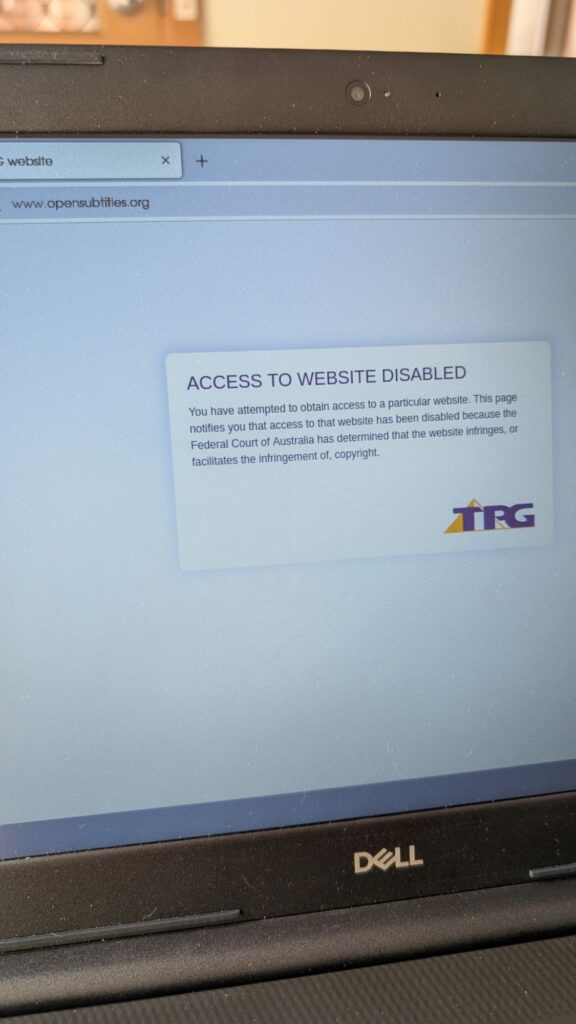
Didn’t expect Australia to have something like this. When I first immigrated here, I already knew that torrenting (BT) is illegal in Australia, and that ISPs practice self-censorship. They might even block the use of torrents by blocking some commonly used torrent ports. Some people even receive warning letters, or have their internet access blocked.
But I didn’t really recall there being websites that were outright inaccessible—like what happens in Hong Kong or mainland China.
Today, I finally experienced internet censorship firsthand.
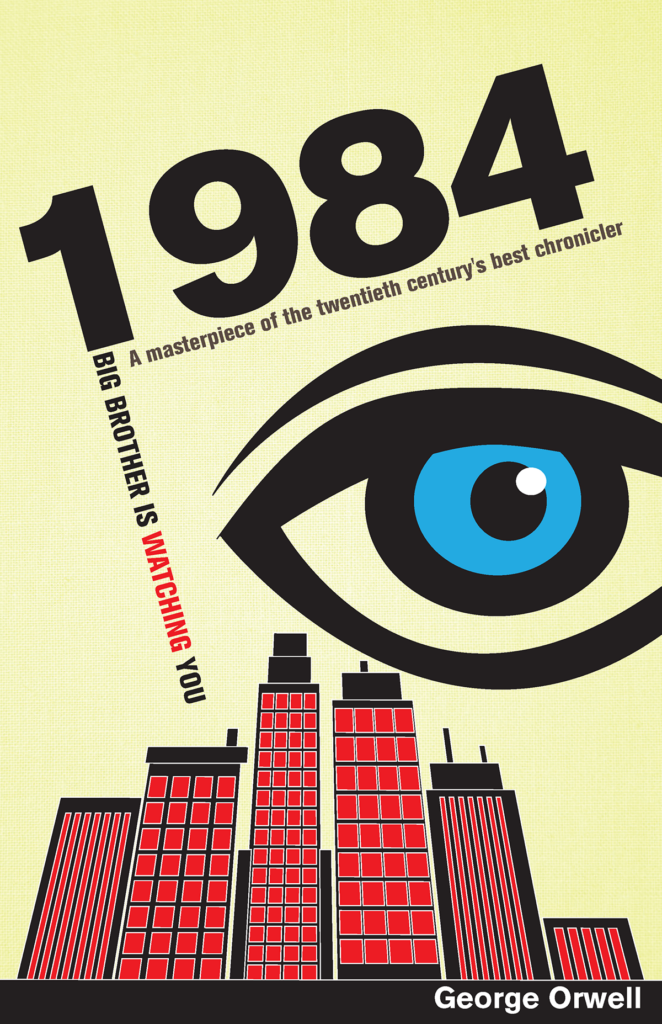
The words of the legendary book 1984 echoed in my mind again:
“Big Brother is WATCHING YOU!!”
Surveillance really is everywhere — in ways both seen and unseen.
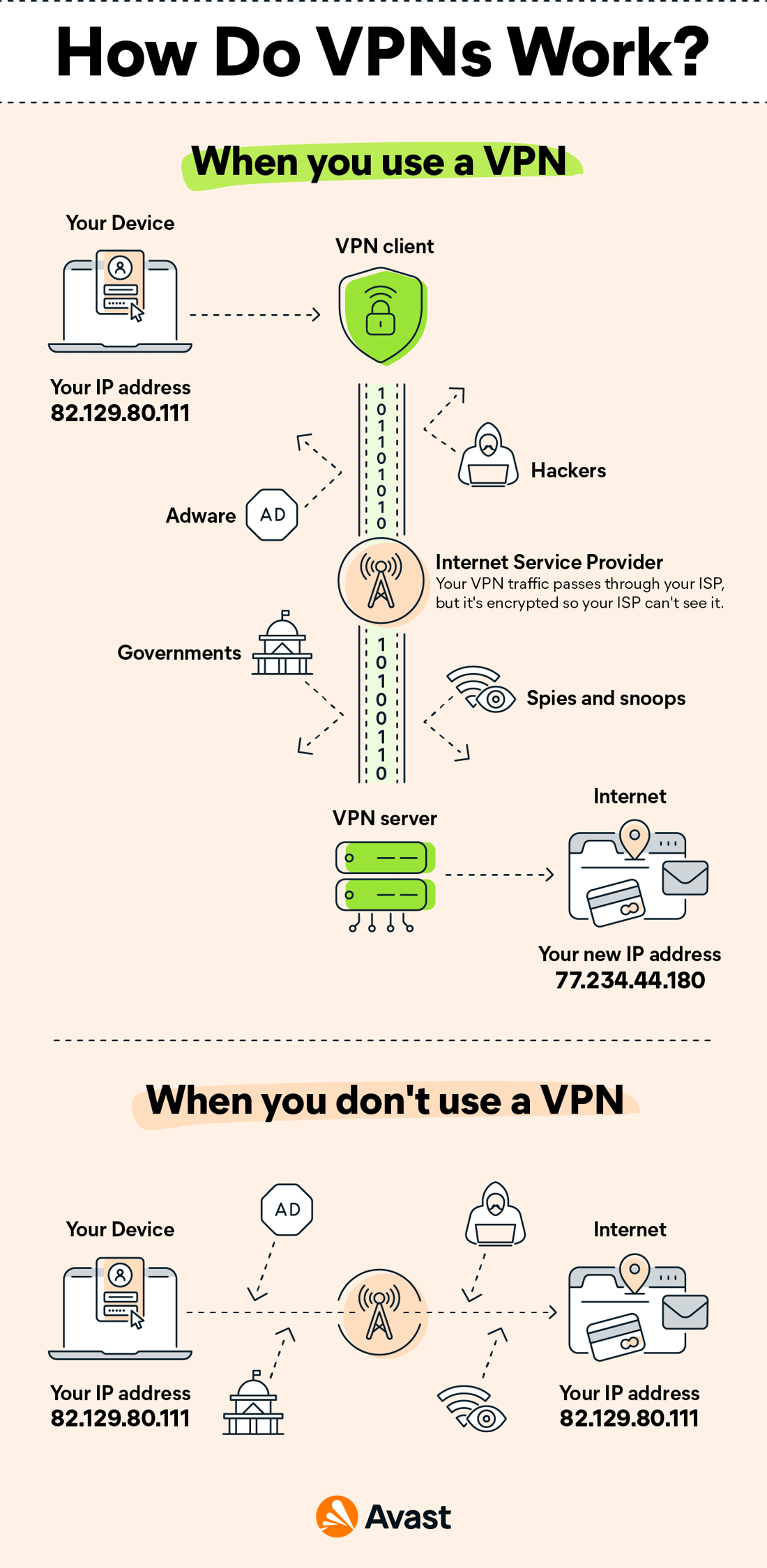
I have been using paid VPN for quite some time, hopefully can avoid ISP’s censorship.
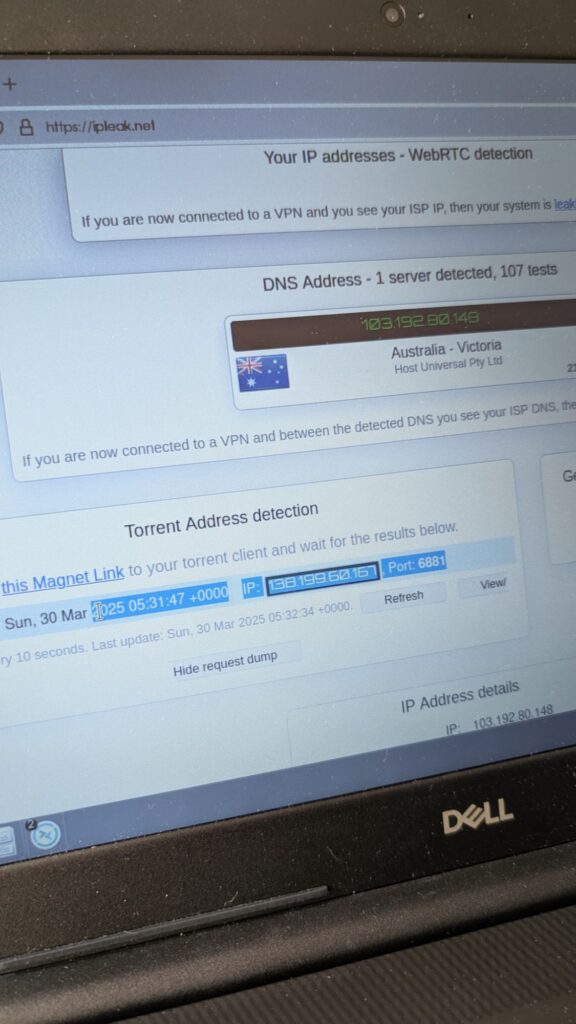
Example: My torrent IP is 138.199.60.167, which is the address of my VPN server — not my real IP address.
The ISP knows I’m connected to 138.199.60.167, the VPN server. As for what websites / IP I visit through the VPN, the ISP has no way of knowing.
I used to use PIA (Private Internet Access) — it was the cheapest, but also the slowest.
Later, I switched to NordVPN — the most expensive, but also the fastest.
Now I’m using Surfshark. It’s okay — not great, not terrible.
But the geolocation often puts me in Singapore, which makes Google search really inconvenient.
Of course, every VPN company claims to have a no-log policy.
But how true is that, really?
At the end of the day, staying offline is the safest —
no kidding, it’s like saying “everyone knows their mum is a woman.” 😏
These no-log promises are mostly based on trust — unless they’ve been independently audited or proven in court (like a few rare cases), there’s no way for the average user to verify. So yeah, skepticism is healthy.
Postface :
Turns out, some torrent and subtitle download sites are also blocked by ISPs.
But they don’t always show the earlier warning message — sometimes it just appears as a 404, Forbidden, or similar error. It’s easy to assume the site has shut down.
But actually, if you connect through a VPN, the site loads perfectly fine. 😥
Read more about IP blocking in Australia
In February 2016, Roadshow Films with a collective of film and television studios, plus pay television provider, Foxtel brought separate proceedings against major ISPs – including TPG, Telstra and Optus.
The rightsholders were seeking orders for ISPs to take reasonable steps to disable access to a number of foreign websites which provided access to infringing copyright content.

