In Australia, having a car is almost essential. People often say that in big countries like this, not having a car is like losing a leg — you just can’t get around properly. But in Hong Kong, owning a car isn’t a necessity. It’s not exactly a luxury either, but definitely not something everyone needs. For one, it’s not cheap to own a car in Hong Kong. Parking spaces, monthly parking fees — they all cost thousands. Petrol prices are also among the highest in the world. Plus, public transport in Hong Kong is so well-developed and convenient that many people go their whole lives without ever owning a car — or even a driver’s license.
I got my license at 22, and within a month I already had my first little car. I remember that back then, none of my friends had cars — only me. Since then, I’ve always had a car, except for a few months when I didn’t — and I already felt super inconvenient without one.
I’ve always liked Mazda. To me, Mazda’s designs are more bold, stylish, and youthful compared to most other brands. Sadly, in Hong Kong, Mazda isn’t very popular — some even look down on it. But actually in places like Europe, America, Japan, Taiwan, and Australia, Mazda is pretty well-liked.
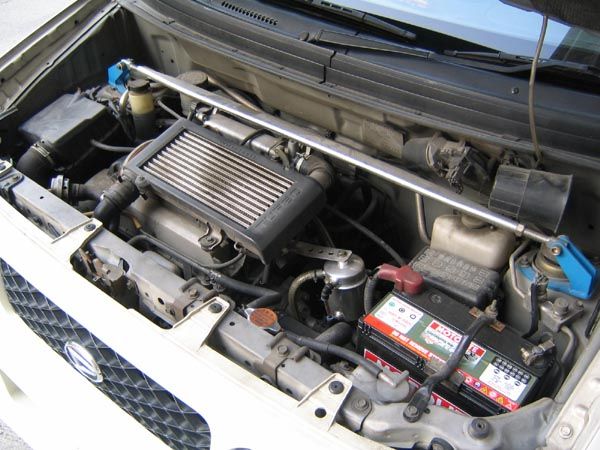
My First car ever:2000 Daihatsu Move Custom Turbo L902s
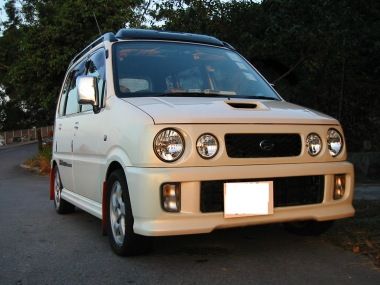
- Model: L902S
- Engine:
- 4-cylinder, 16-valve, 4-stroke DOHC
- Turbocharged, 659cc
- Power: 64 PS (47 kW) @ 6000 rpm
- Torque: 100–107 Nm @ 3200–3600 rpm
- Curb Weight: 850 kg
- Dimensions:
- Length: 3395 mm
- Width: 1475 mm
- Height: 1695 mm
- Transmission: 4-speed automatic
- Drivetrain: Front-wheel drive (FWD)
I fell in love with this kind of boxy car because of the Hong Kong movie “Love on a Diet” 《瘦身男女》 where the little car called “Friend” 「朋友號」left a deep impression on me. Not even two months after getting my driver’s license, I bought this second-hand Daihatsu Move. It was my very first car, and I was so excited to finally own something like the “Friend” car from the movie.


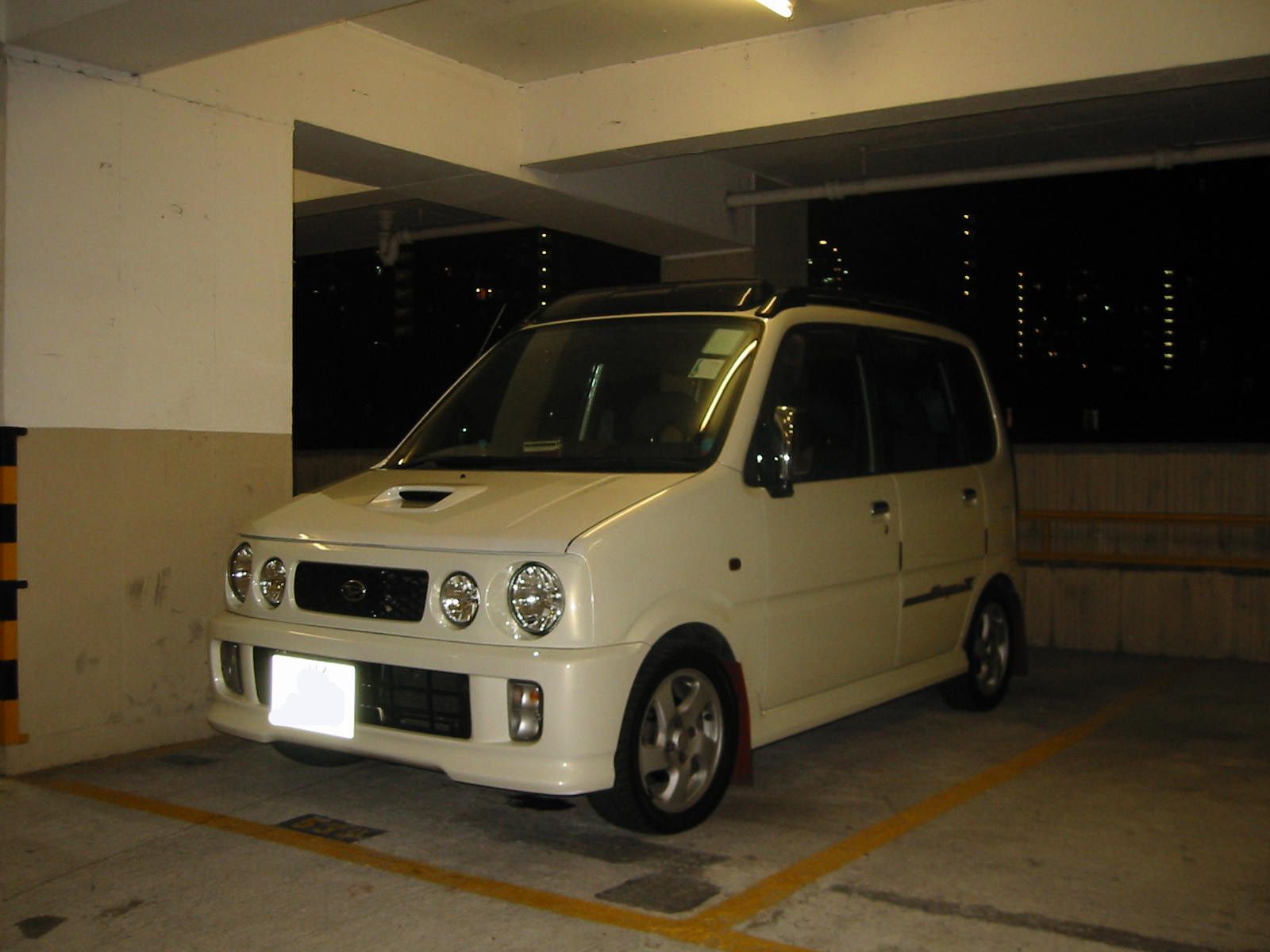

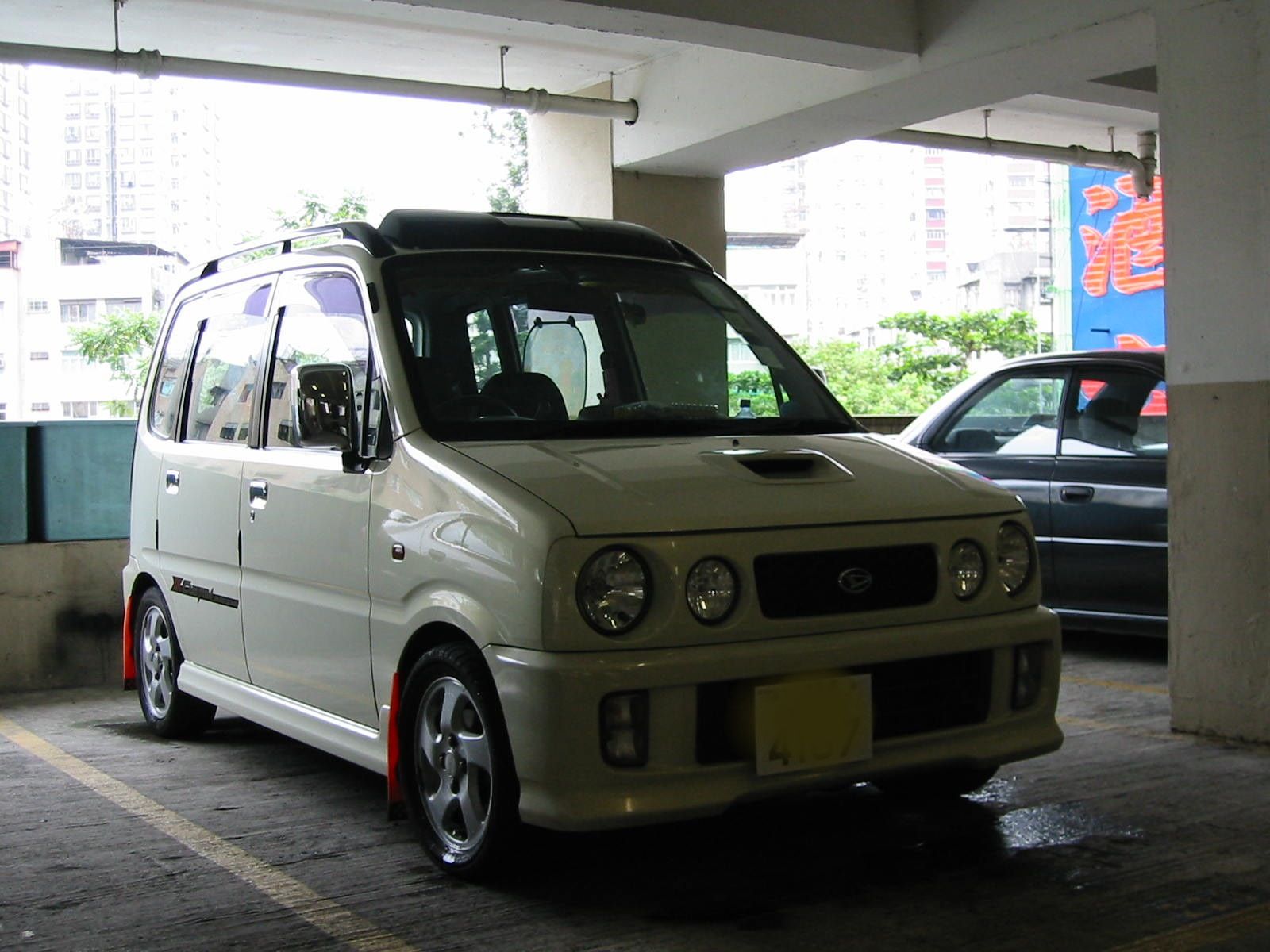
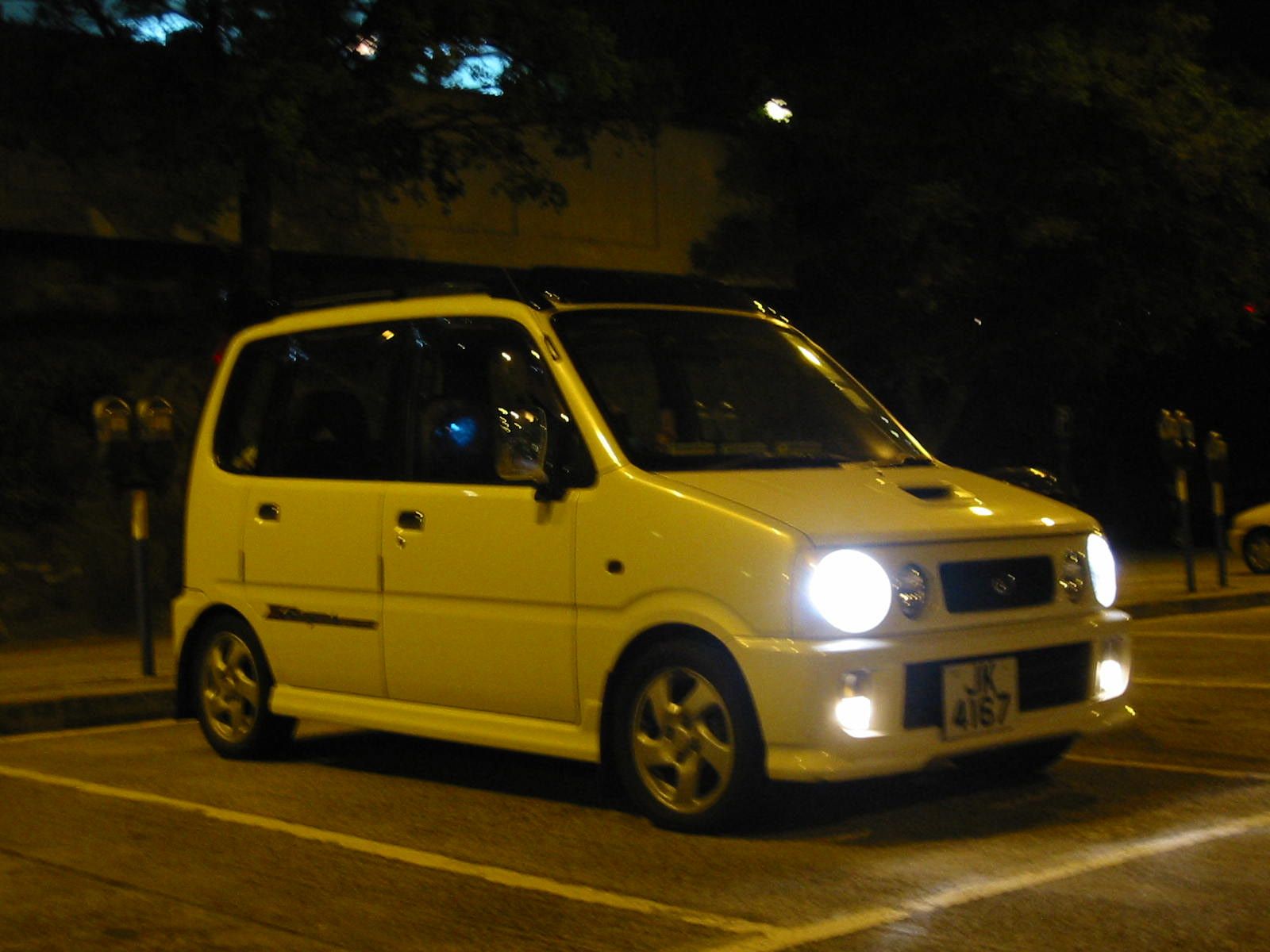
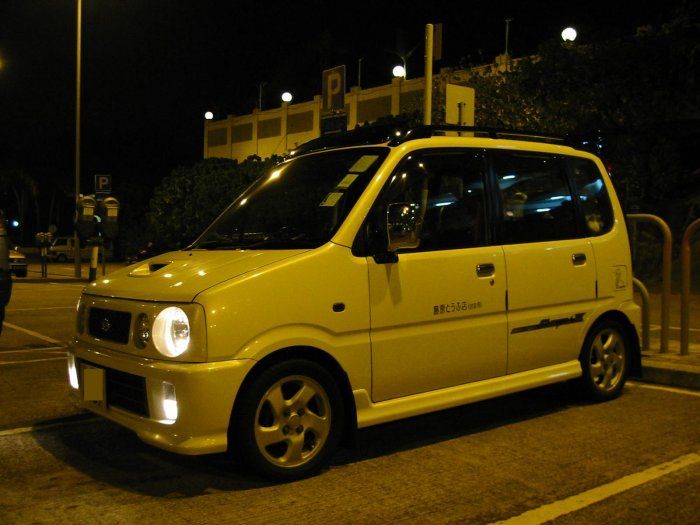
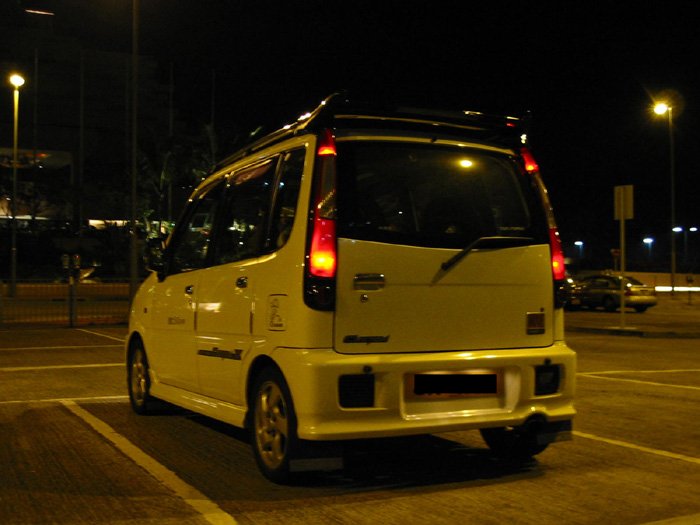
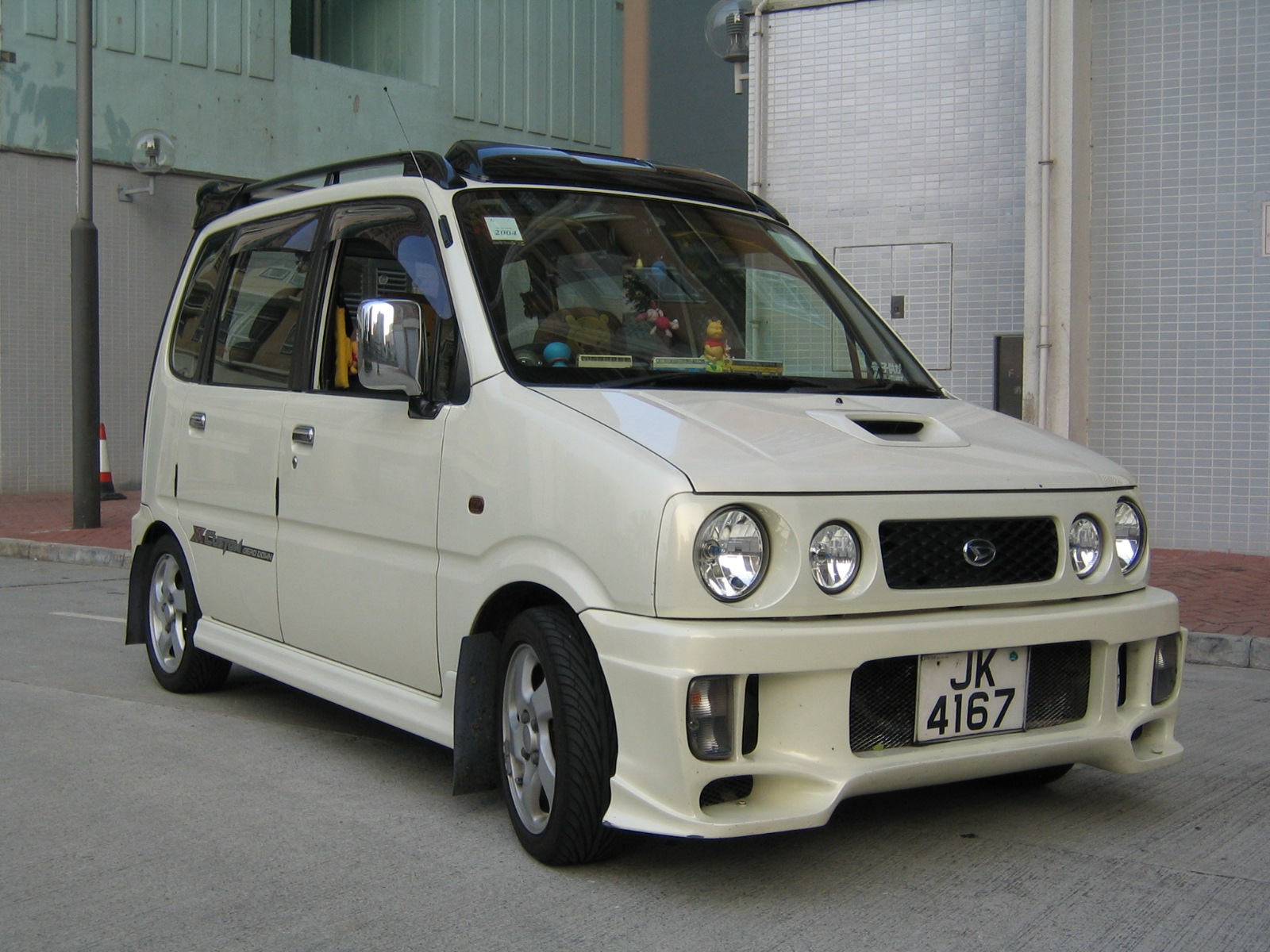
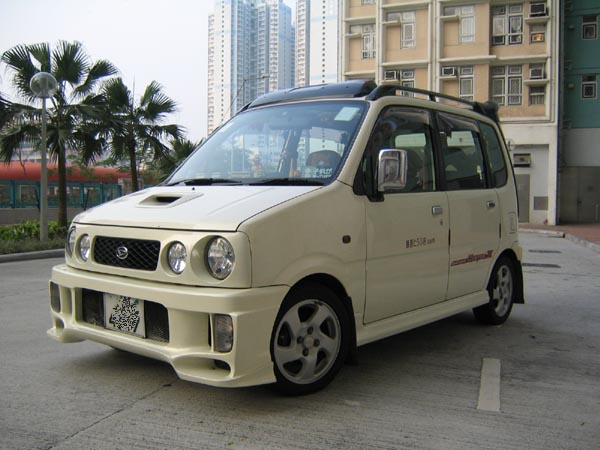
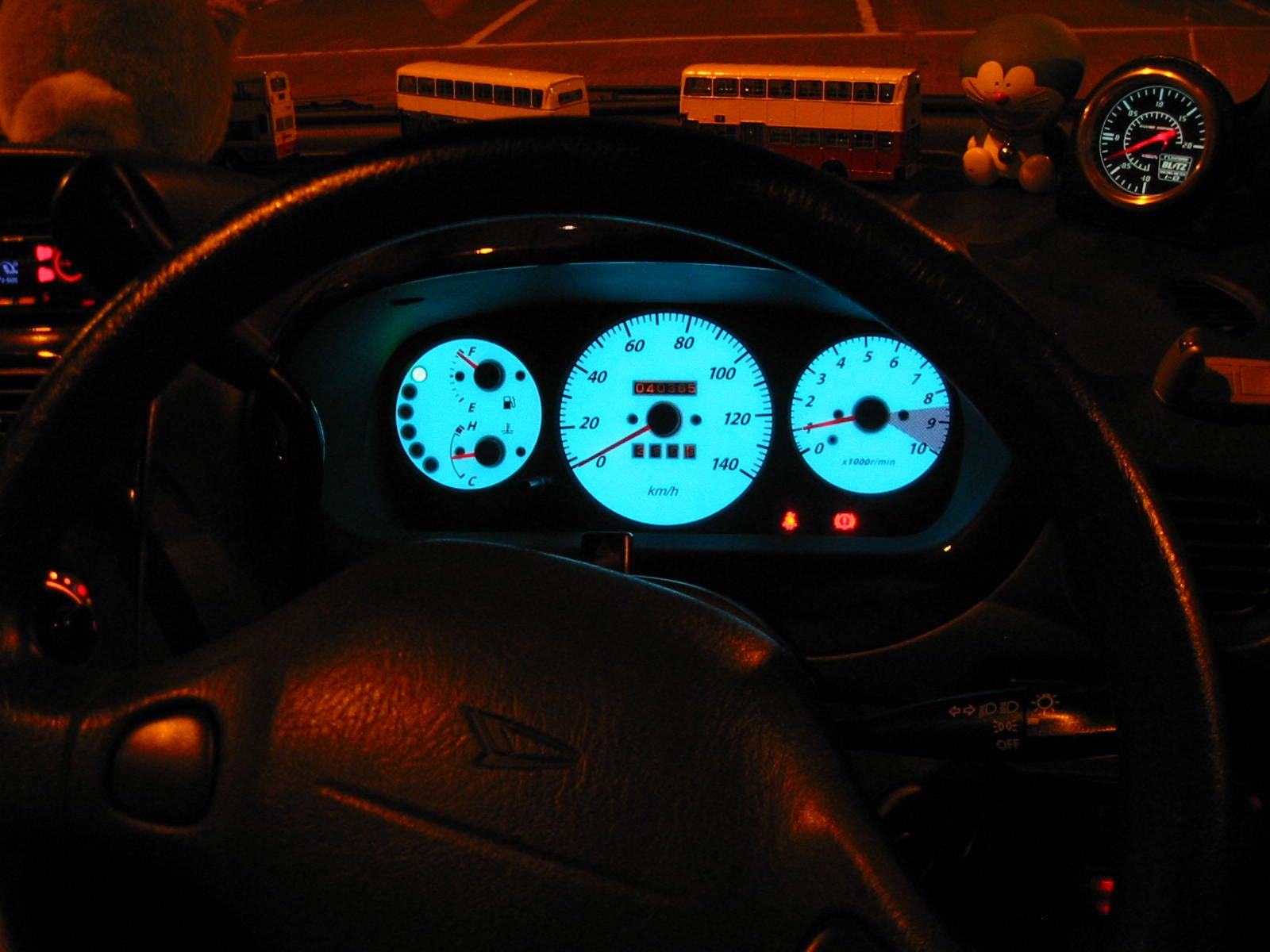
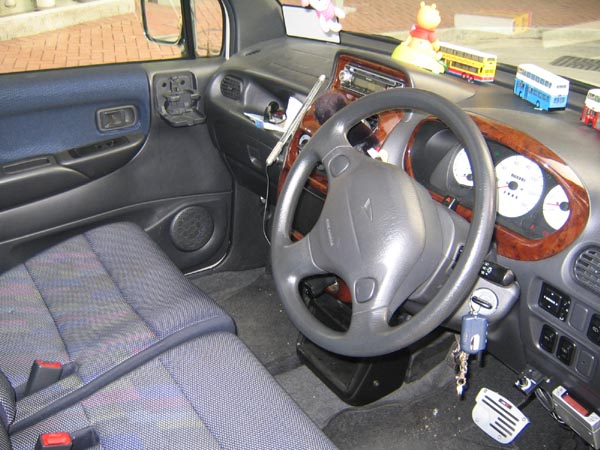
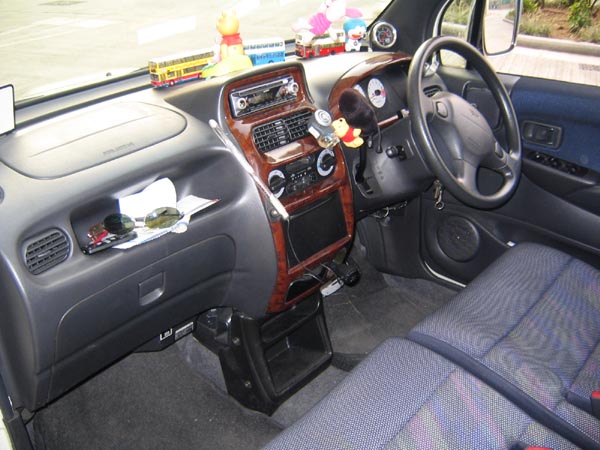
Back then, Kei cars were super popular. Even Candy Lo’s music video for “Like to Love” featured a Daihatsu Move, which shows just how trendy and well-liked the Move was at that time.
Even though it only had a tiny 660cc engine, the turbo really helped — for city driving in Hong Kong, its performance wasn’t bad at all. I used to drive it to work every day, and on my days off I’d just cruise around the city. In just over two years, I clocked more than 40,000 km — pretty much everywhere in Hong Kong except Tung Chung and Lantau Island. I still clearly remember the “psshh” sound from the turbo blow-off valve and that huge sunroof — such great memories.
But with only 64 horsepower and such a light body at 850kg, the car felt quite unstable once you hit over 80 km/h on the highway, and the road noise was pretty loud. I ended up selling it at the end of 2004.
A few months later, I realised how inconvenient life was without a car. Around that time, Mazda launched the brand-new Mazda 3 to replace the old Familia (323) series. The sporty design really caught my eye — I loved the look, and couldn’t resist buying one.
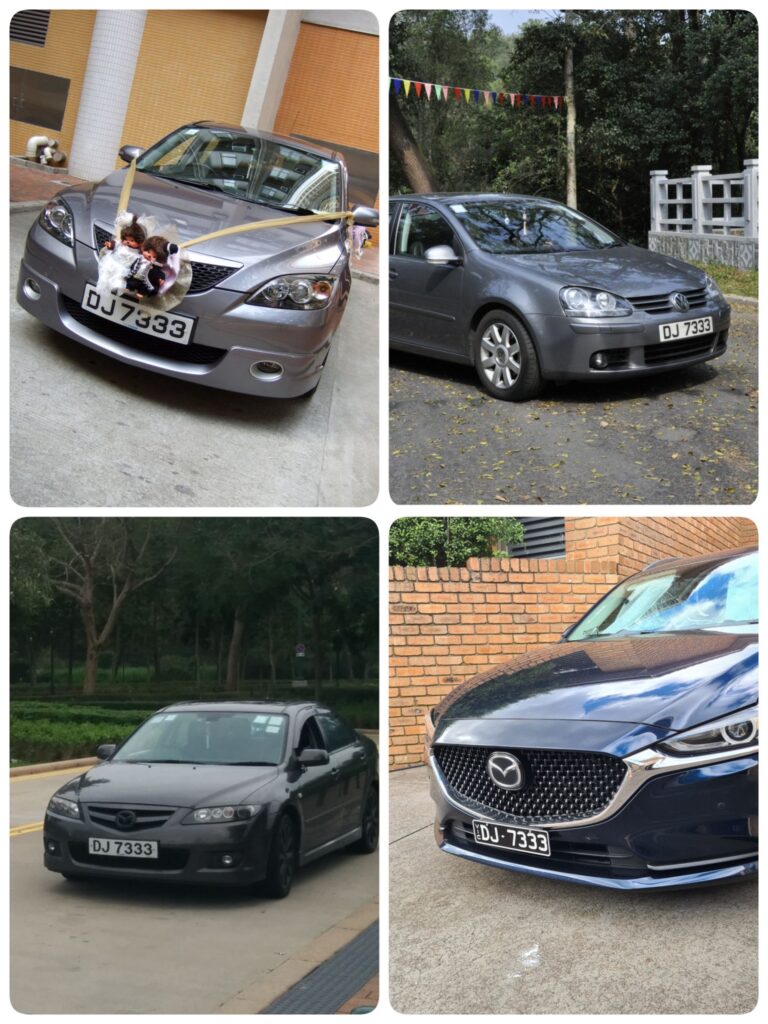
2005 Mazda 3 1.5
A few months without a car made me realise just how inconvenient it was. Around that time, Mazda launched the brand-new Mazda 3 under their “Zoom-Zoom” campaign, replacing the old Familia (323) series. I was really drawn to its sporty design — I loved the look and decided to get one.

Mazda 3 1.5 hatchback
- Model: BK5P series
- Engine: 1498cc inline 4 Cylinder DOHC with VVT
- Power:114ps(84kW)/6000rpm
- Torque:140 N-m @4500rpm
- Transmission: 4前速+/-自動波
- Drivetrain: FWD 前輪驅動
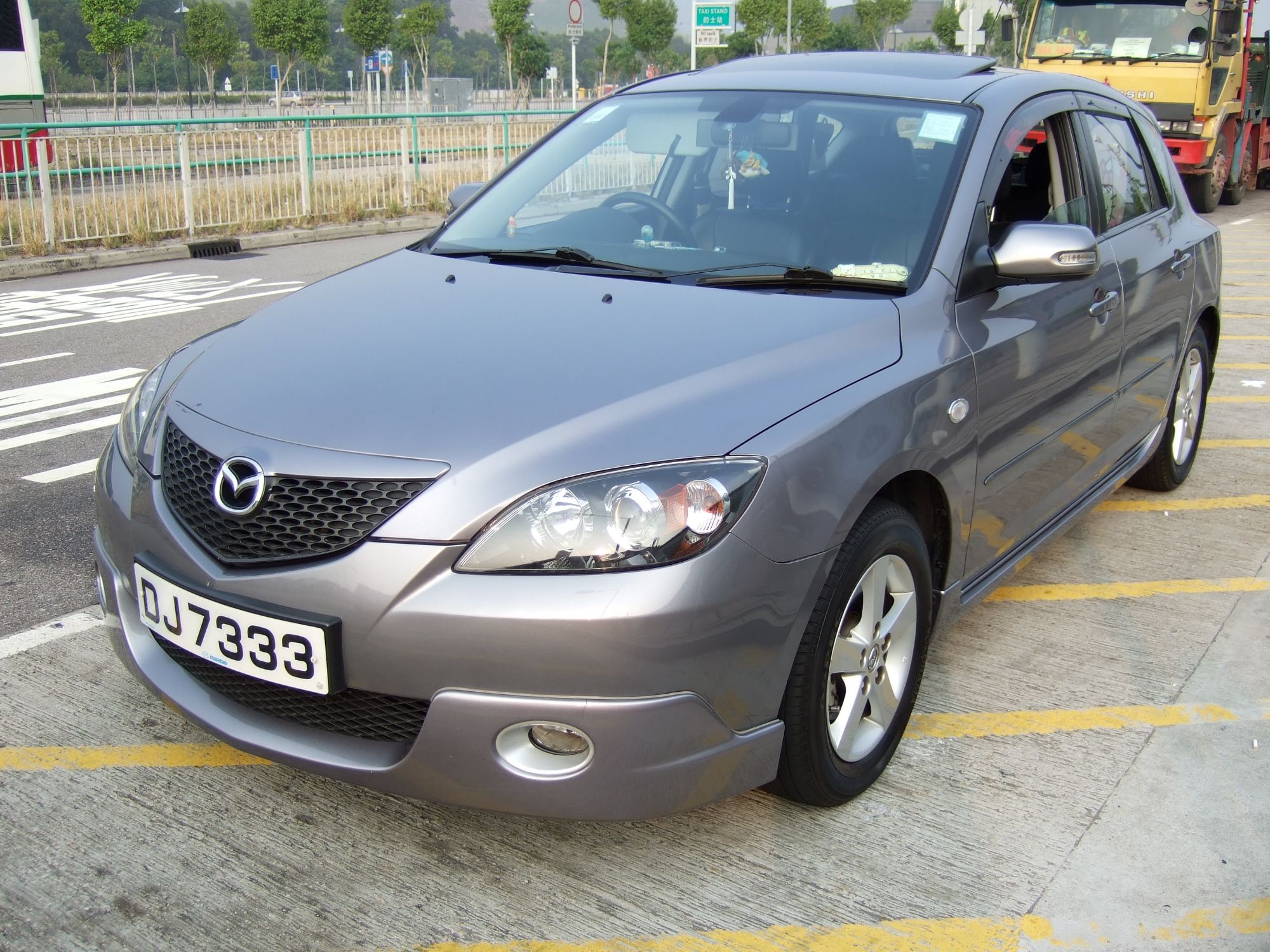
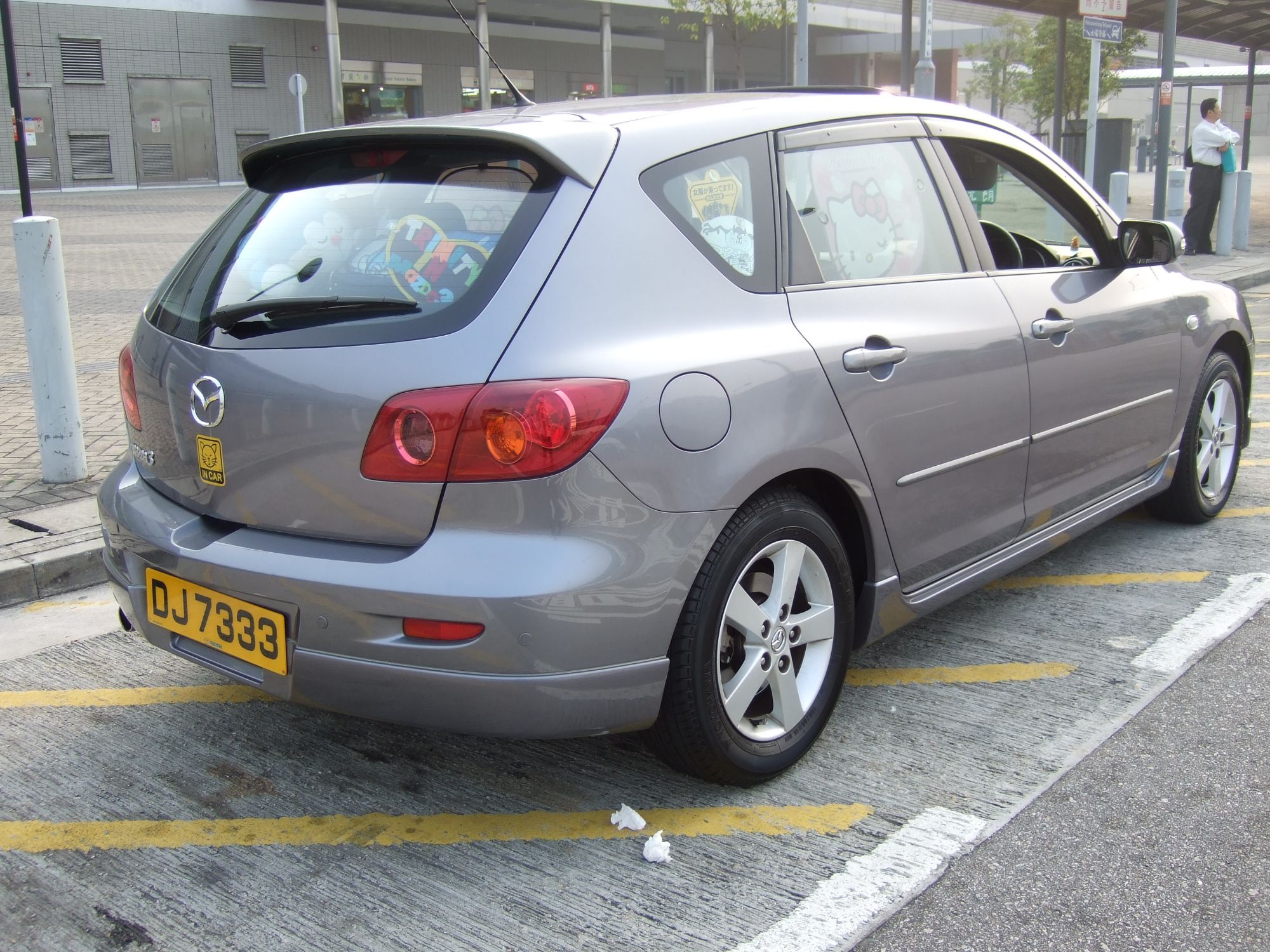
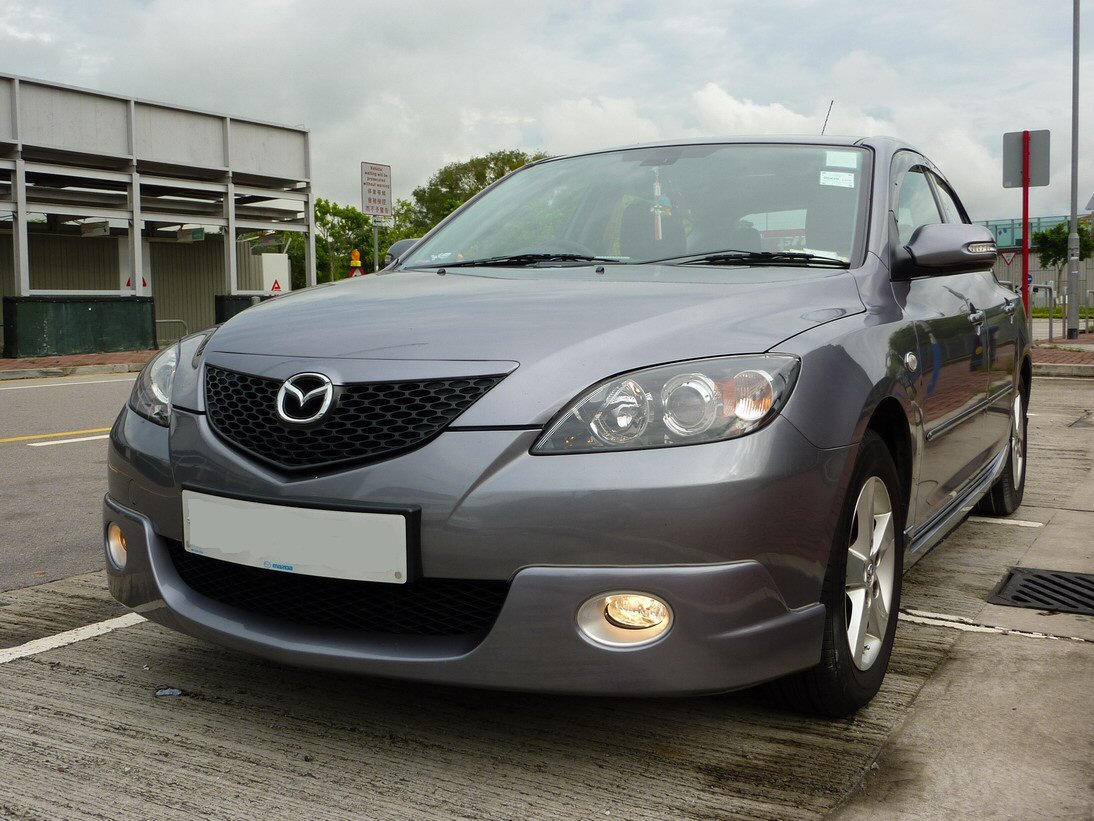

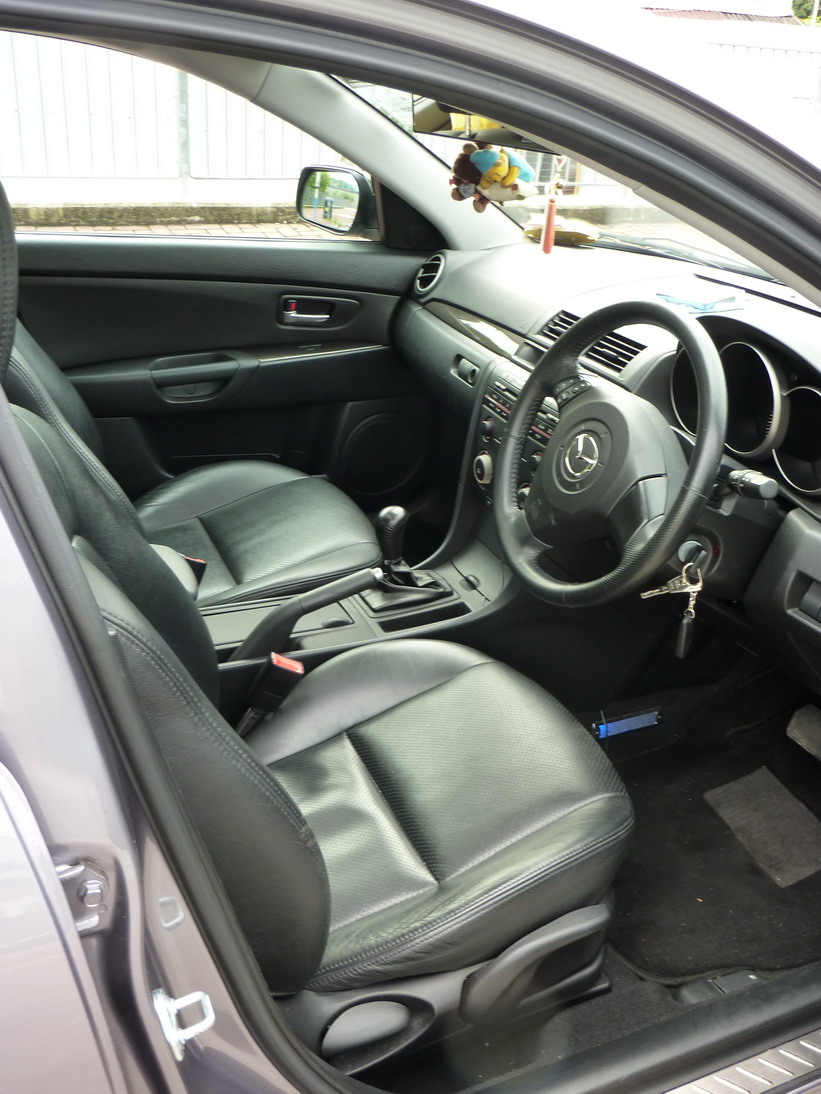
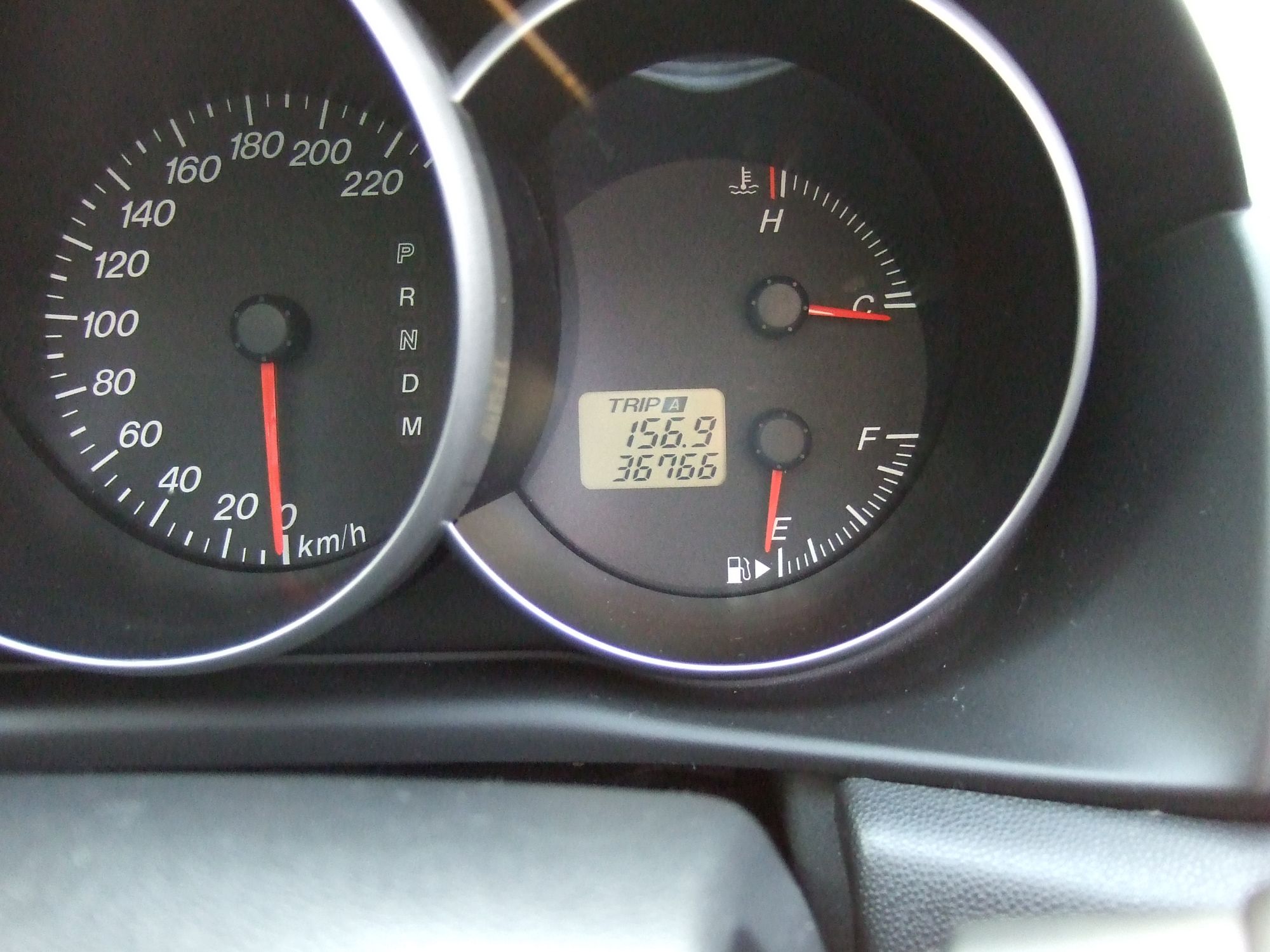
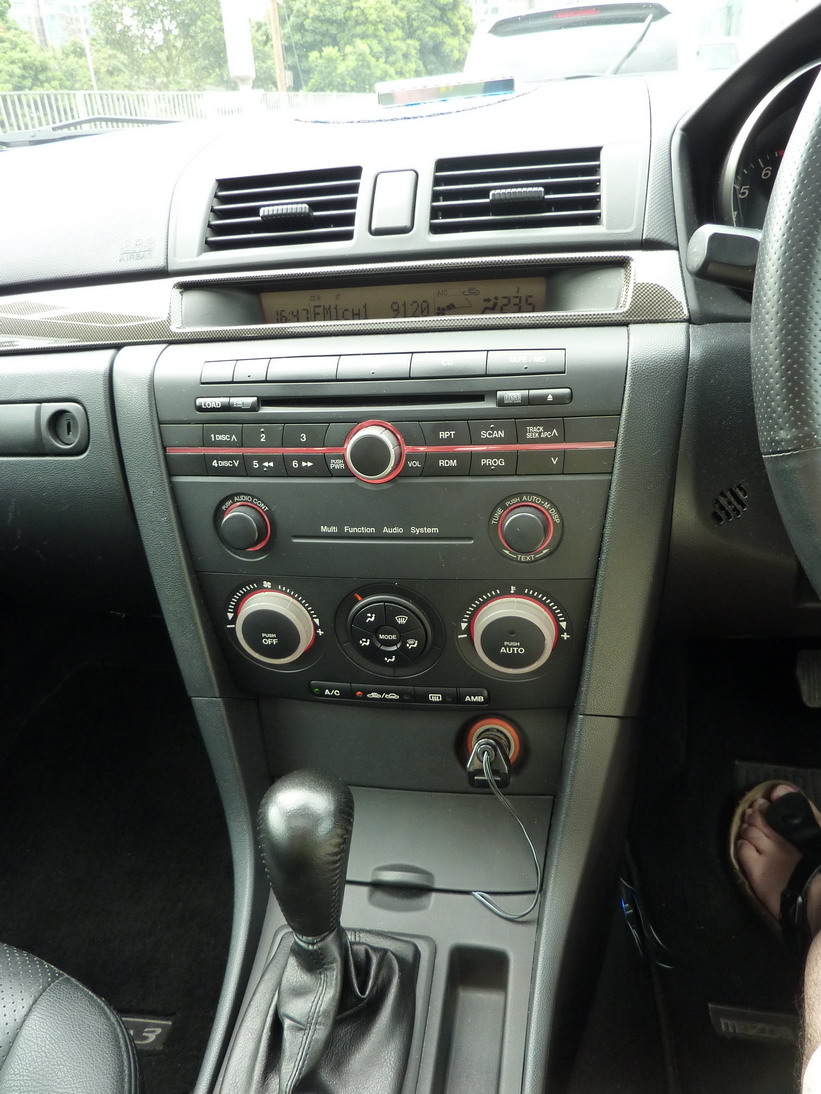
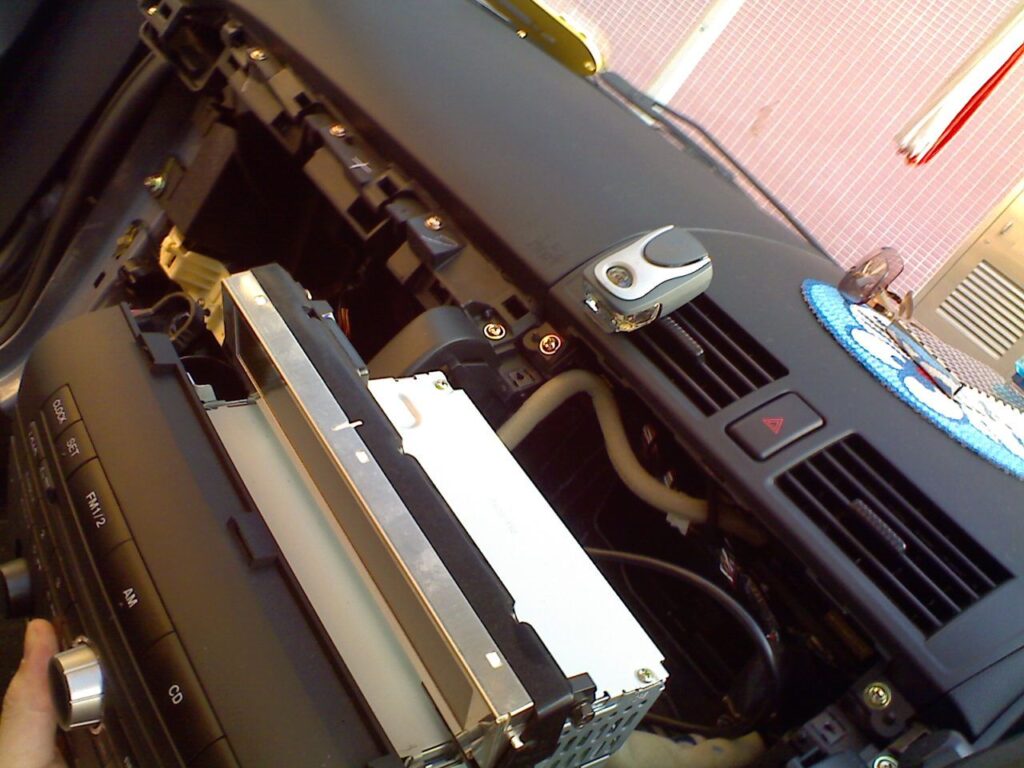
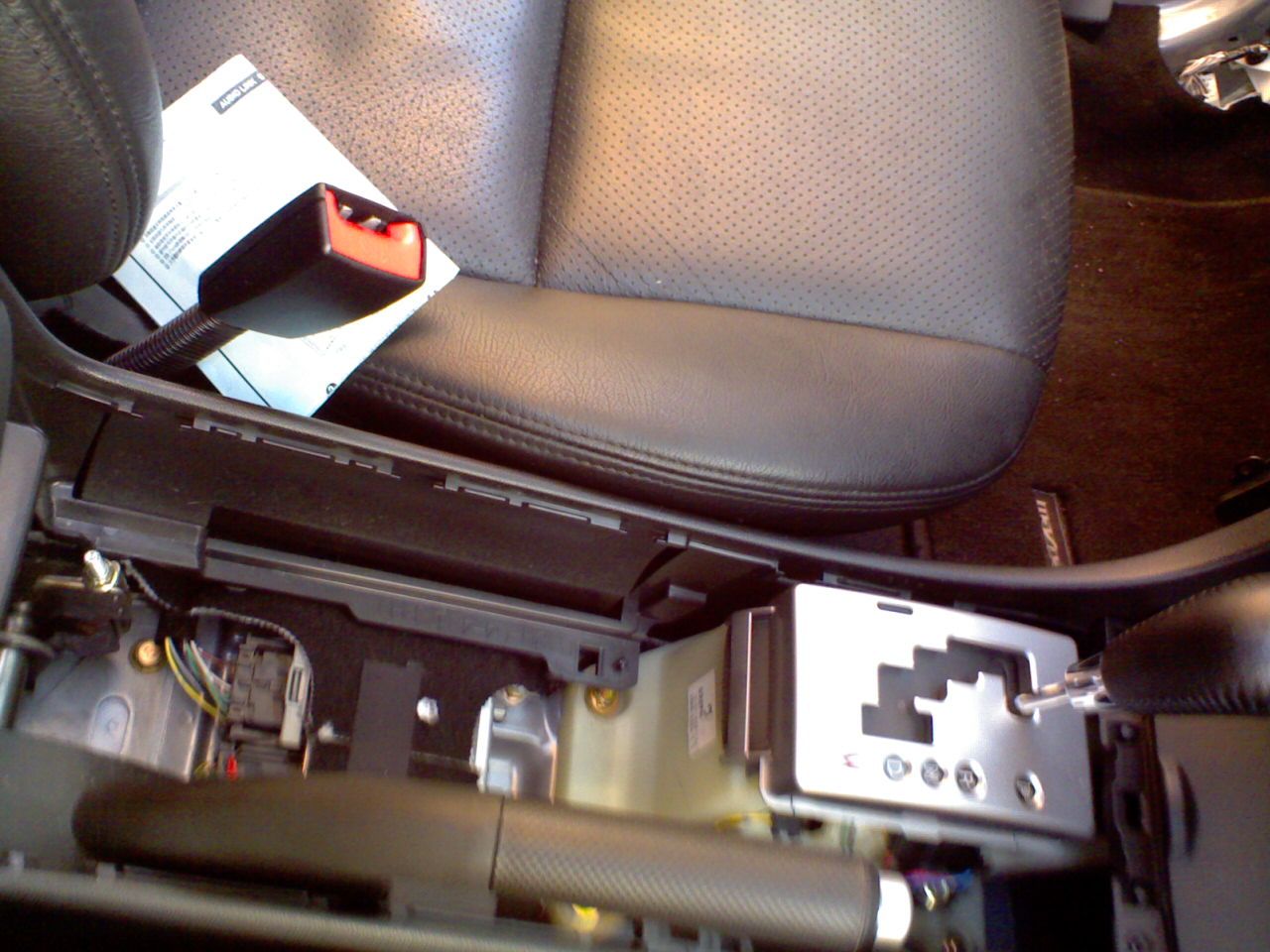
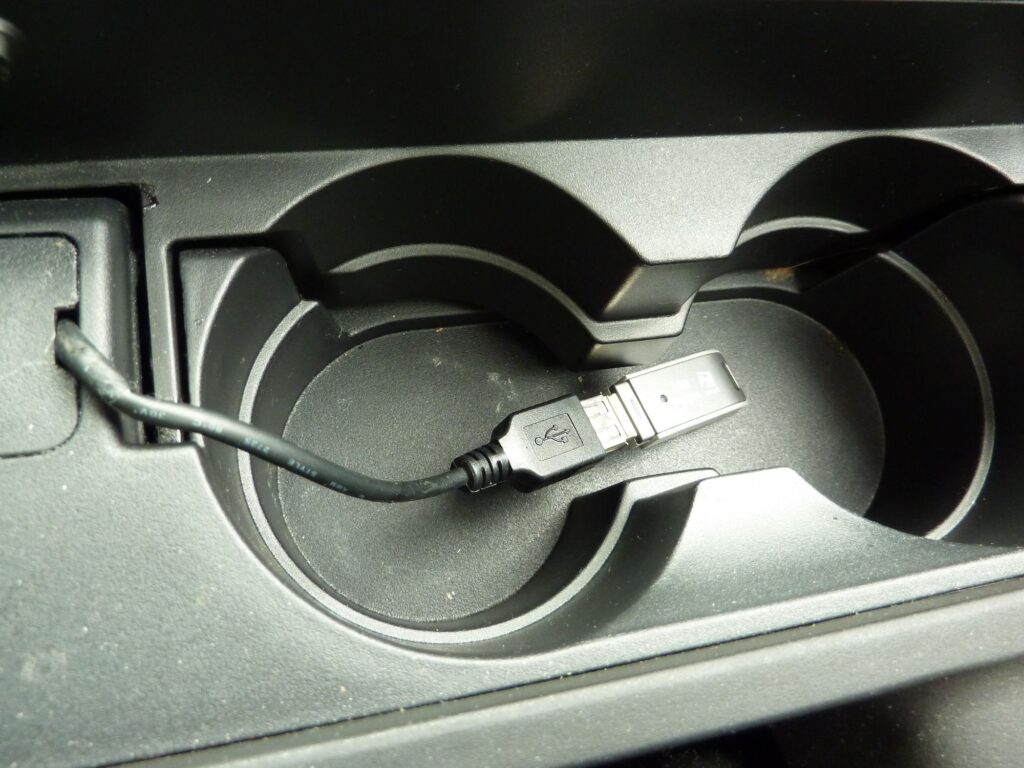
The first-generation Mazda3 didn’t come with Bluetooth or USB — just a CD player and a radio. The radio didn’t even have RDS, so every time I drove between the New Territories and Kowloon, I had to manually adjust the frequency, which was pretty annoying. Back then, Bluetooth in cars was only available in higher-end models. But the original stereo could play MP3 files burned onto CDR or CDRW discs, which was actually quite advanced for the time.
The car stereo also had an AUX-IN port (probably meant for connecting an external multi-CD changer), but to use a USB stick for playing MP3s, you’d have to buy an aftermarket adapter and do a bit of DIY to hook it up.
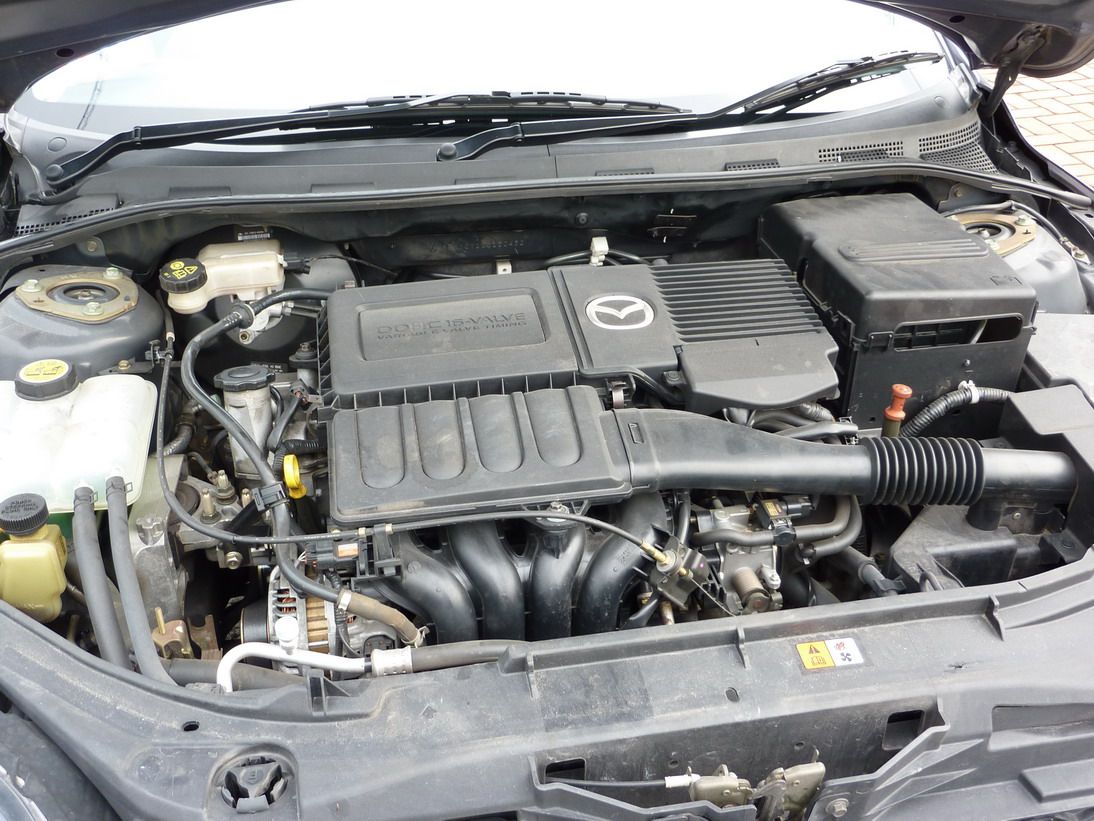
The Mazda3’s 1.5-liter engine and 1260kg weight sometimes felt a bit underpowered. After driving it for over four years, I decided it was time for a change. Around that time, the fifth-generation Volkswagen Golf GTI was flying off the shelves, and I couldn’t help but feel tempted. So, I sold the Mazda3 and swapped it for a more affordable second-hand Golf FSI 2.0.
2006 Volkswagen Golf 2.0 FSI Mk5

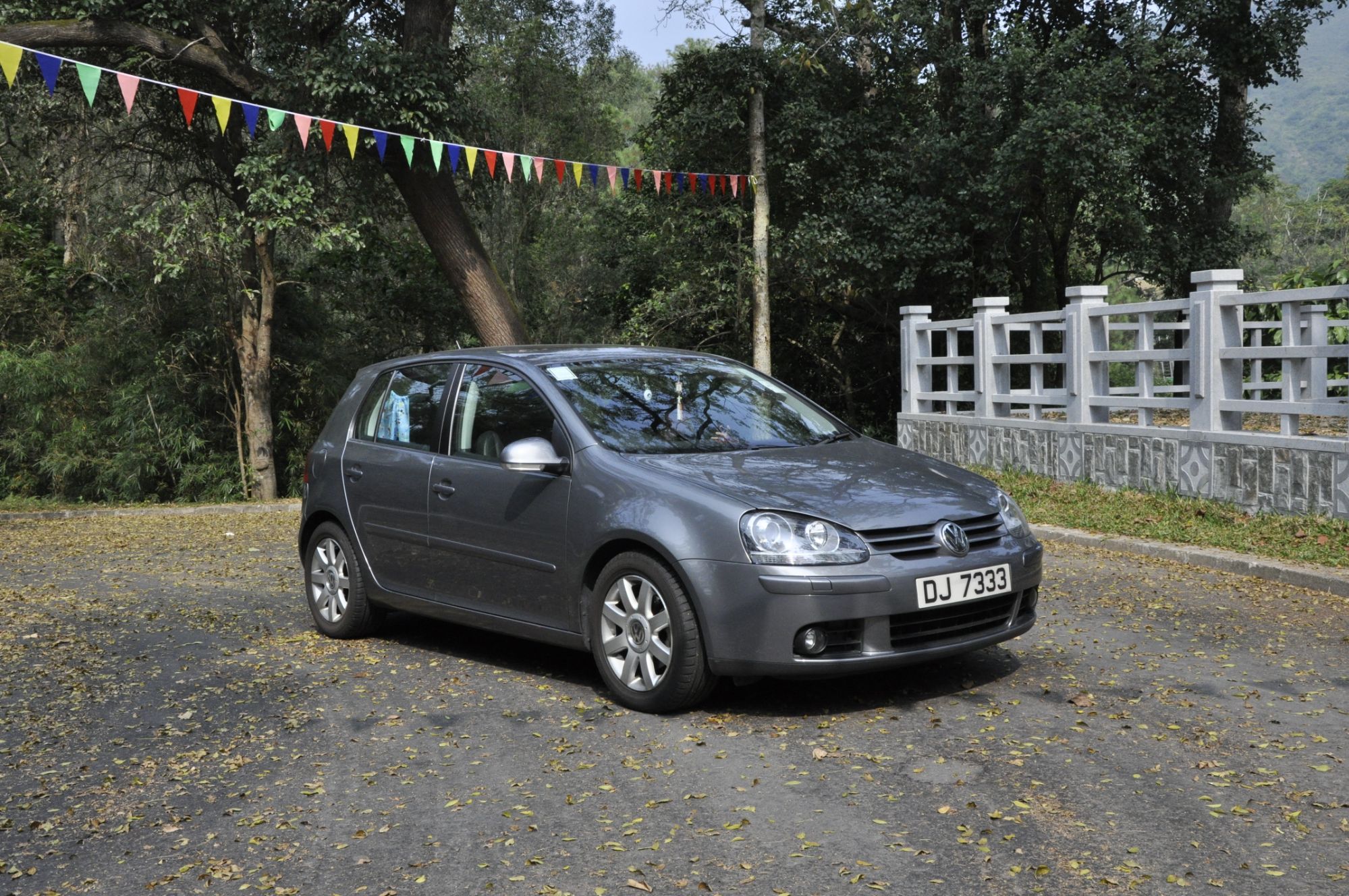
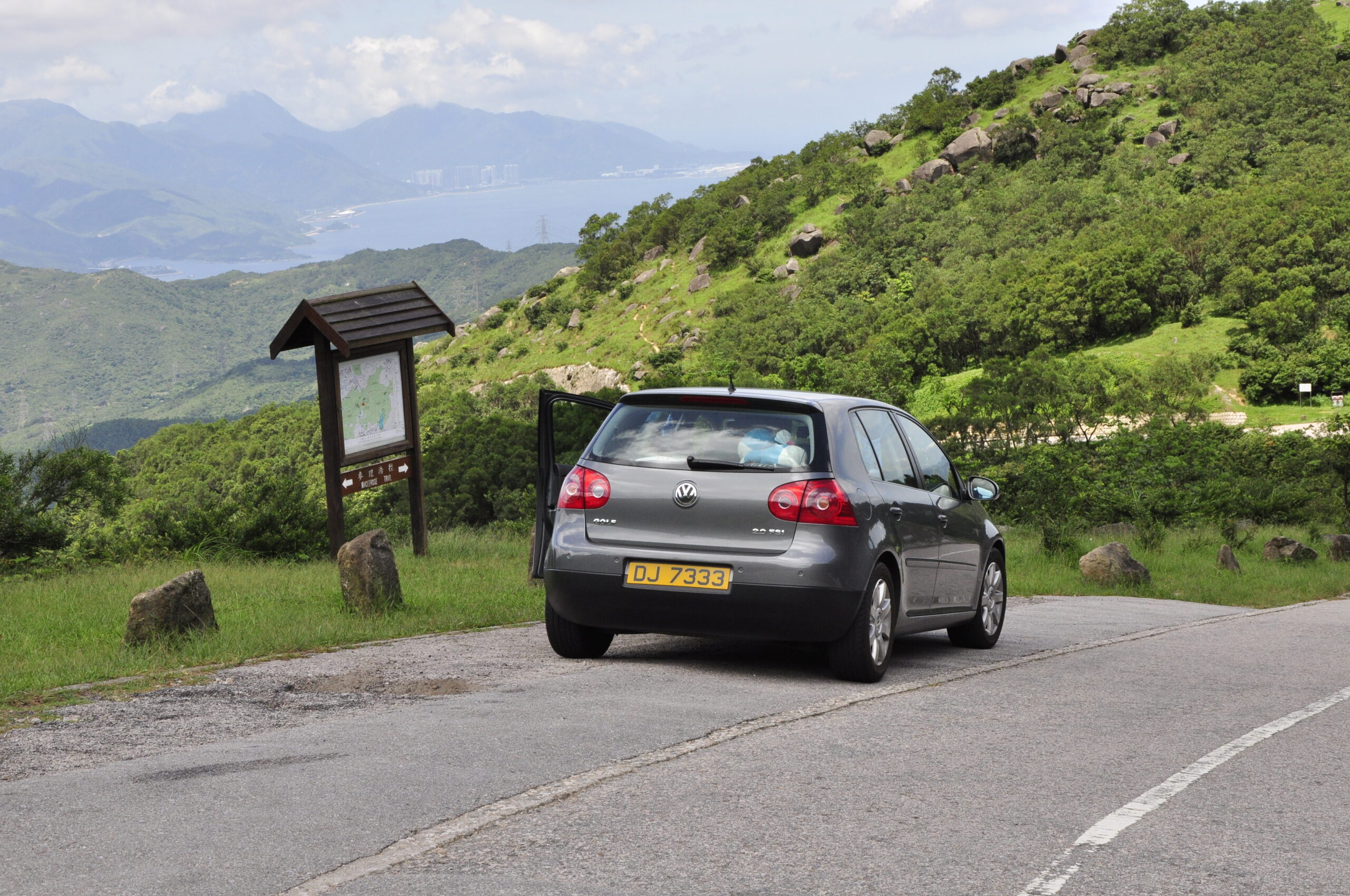
Driving a European car for the first time was quite an experience. The ride quality, sound insulation, and interior finish all felt a step above Japanese cars. The Golf FSI came with a 2.0L naturally aspirated engine producing 150 horsepower — not quite the 200 horsepower you get from the GTI’s 2.0L turbo, but still plenty good. Features like heated electric seats, cruise control, auto-sensing headlights with rain sensors, rear AC vents, a 6-speed manual with sport mode, and an RDS radio made a big difference compared to my old 1.5L Mazda3. I couldn’t help but feel a little bit superior driving it. 😂
- Model:PQ35 type 1K
- Engine:1984cc inline 4 Cylinder FSI (Fuel Stratified Injection)
- Power:150PS (110 kW)@ 6000 rpm
- Tprque:200 N⋅m at 3500 rpm
- Transmission:6 speeds tiptronic automatic +/- and Sport mode
- Dimensions: Length: 4200 mm, Width: 1759 mm, Height: 1465 mm
- Weight:1279kg
- Front Wheel Drive
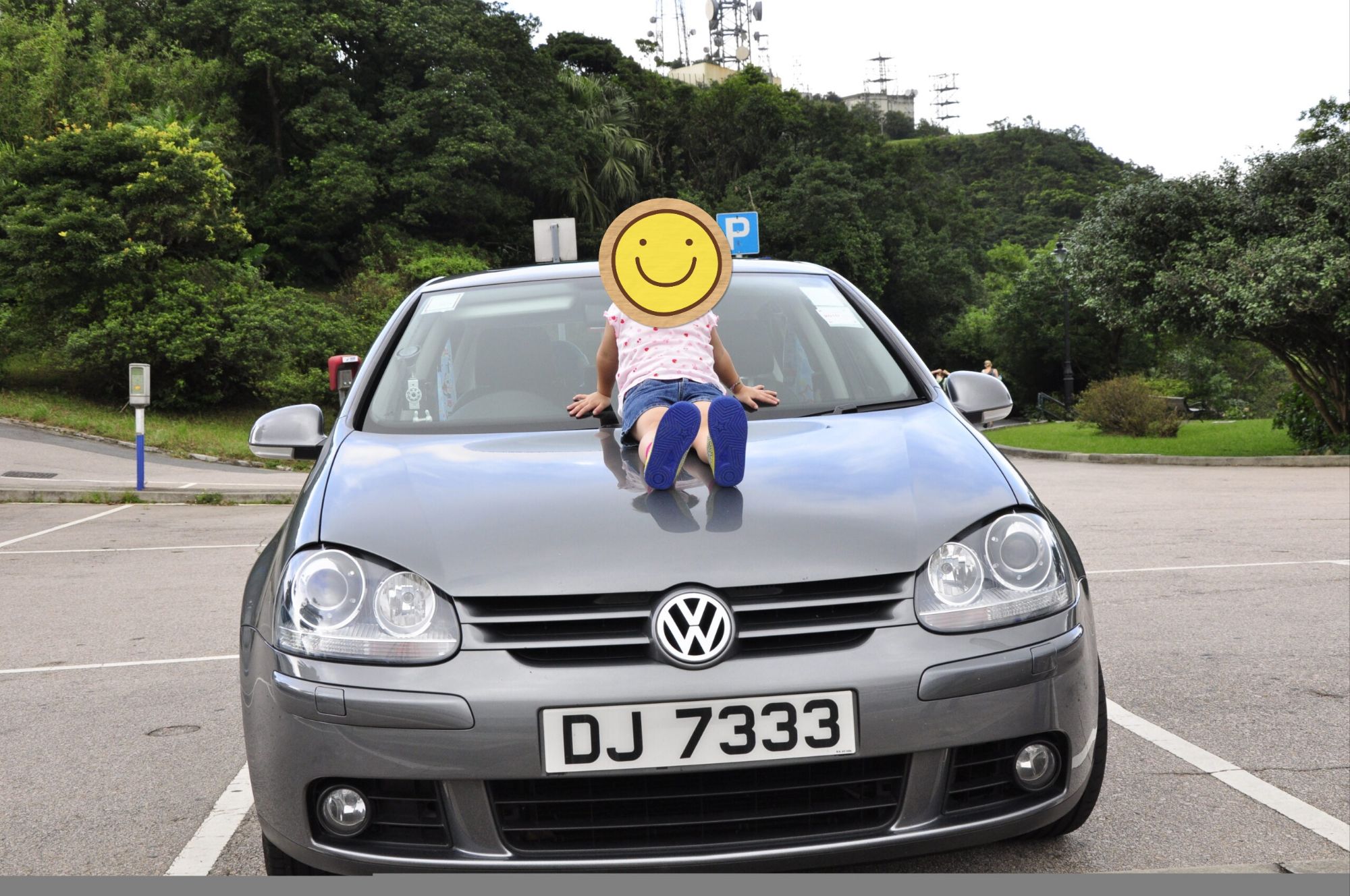

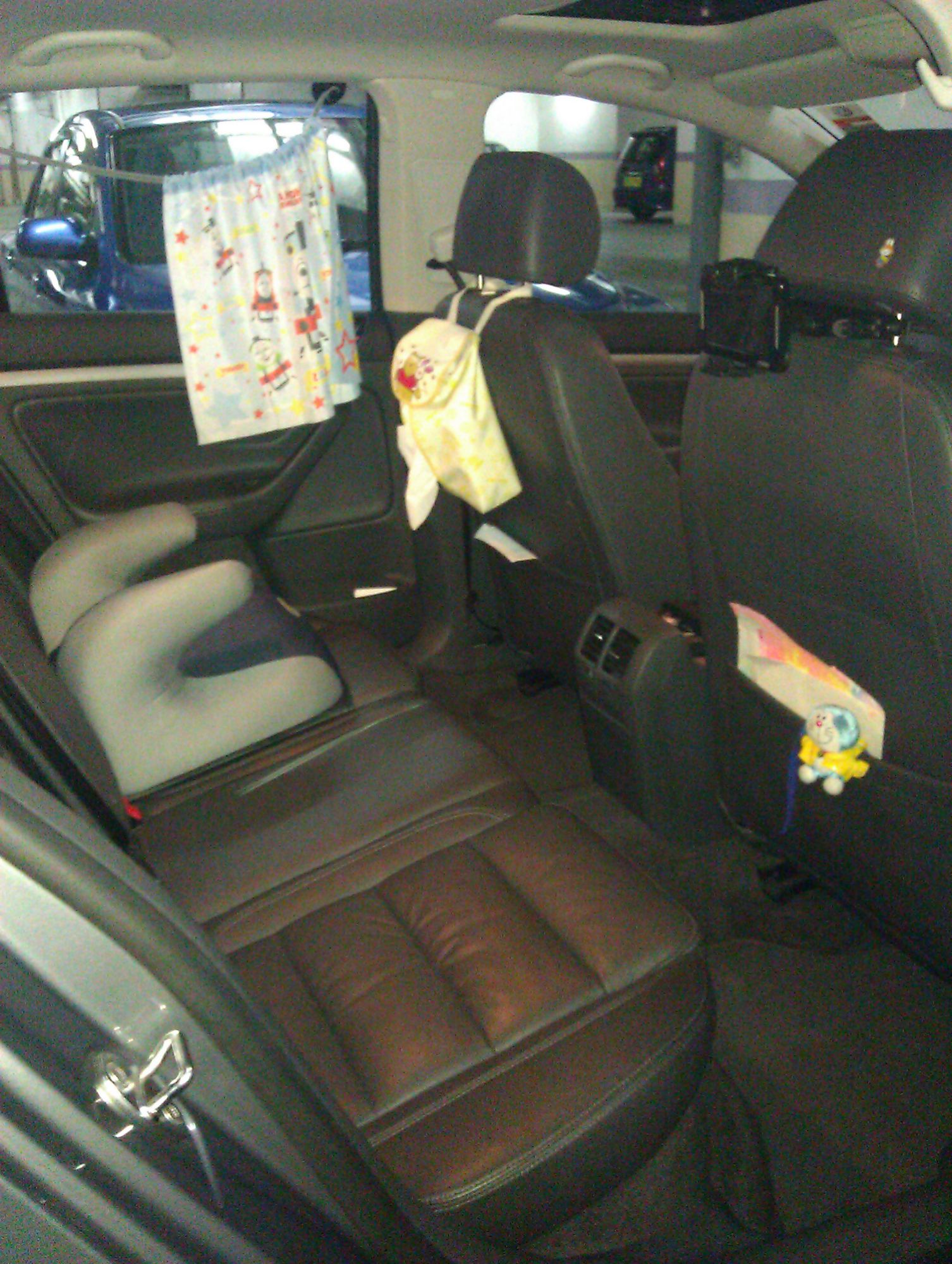
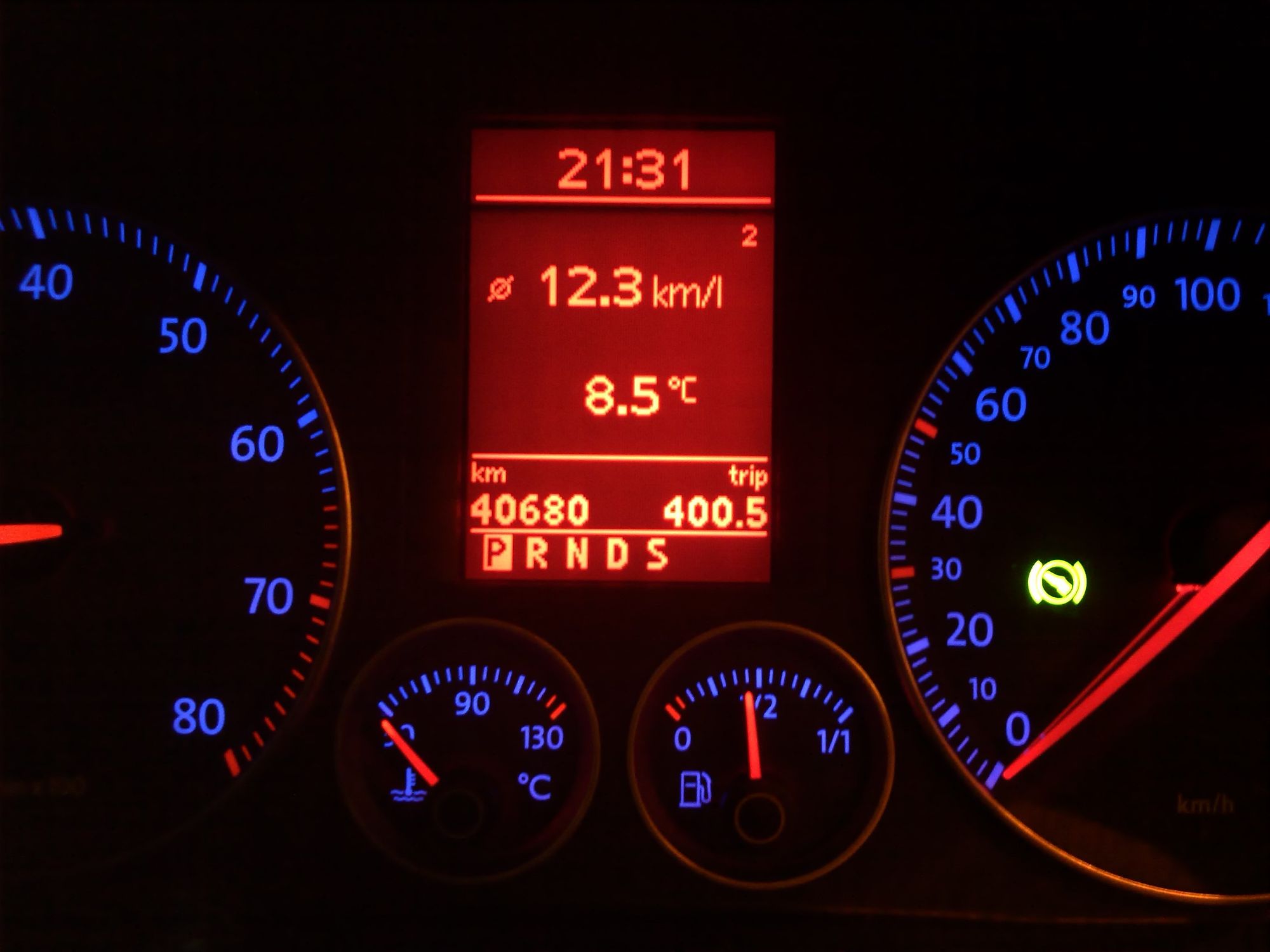

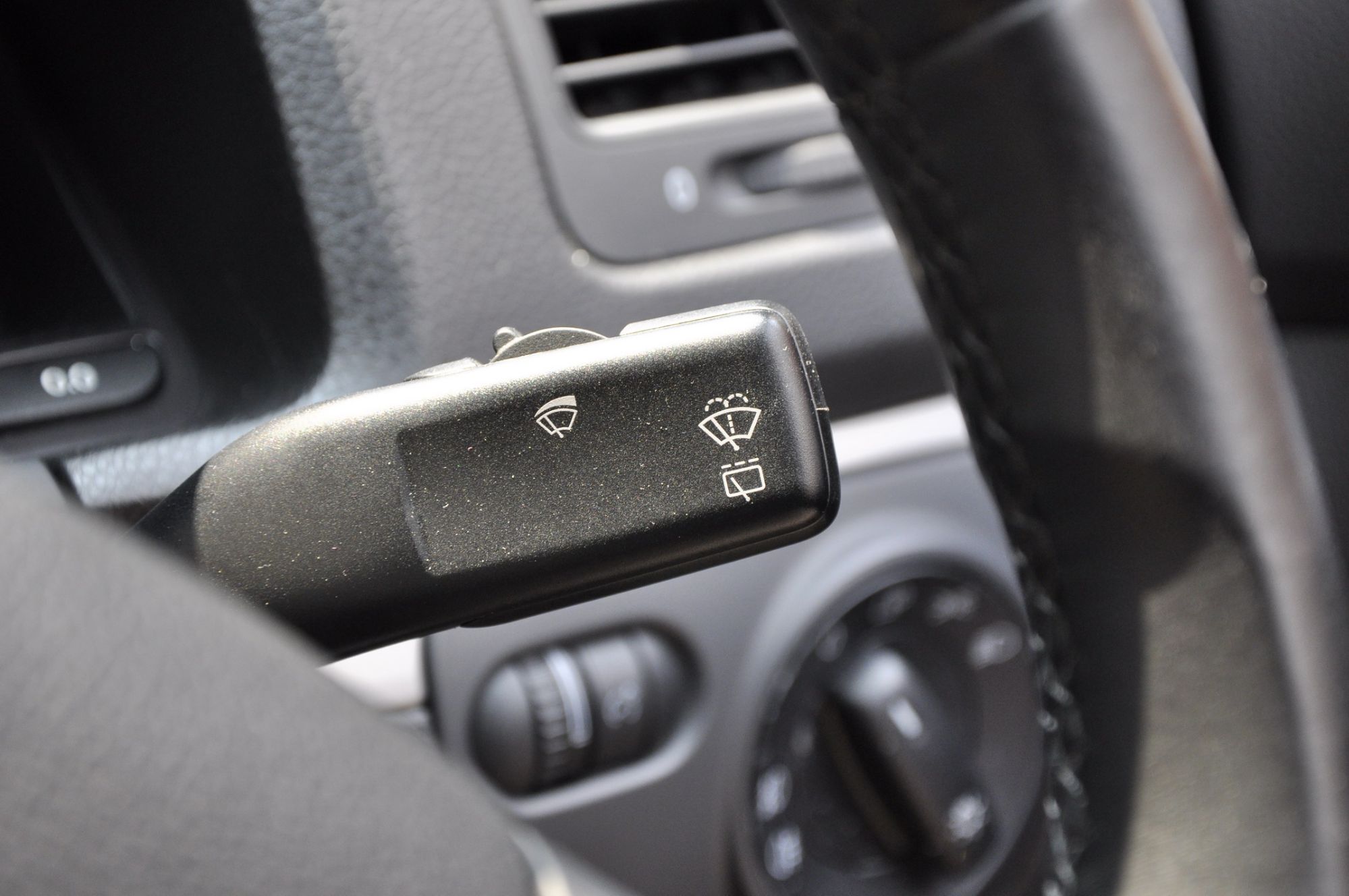
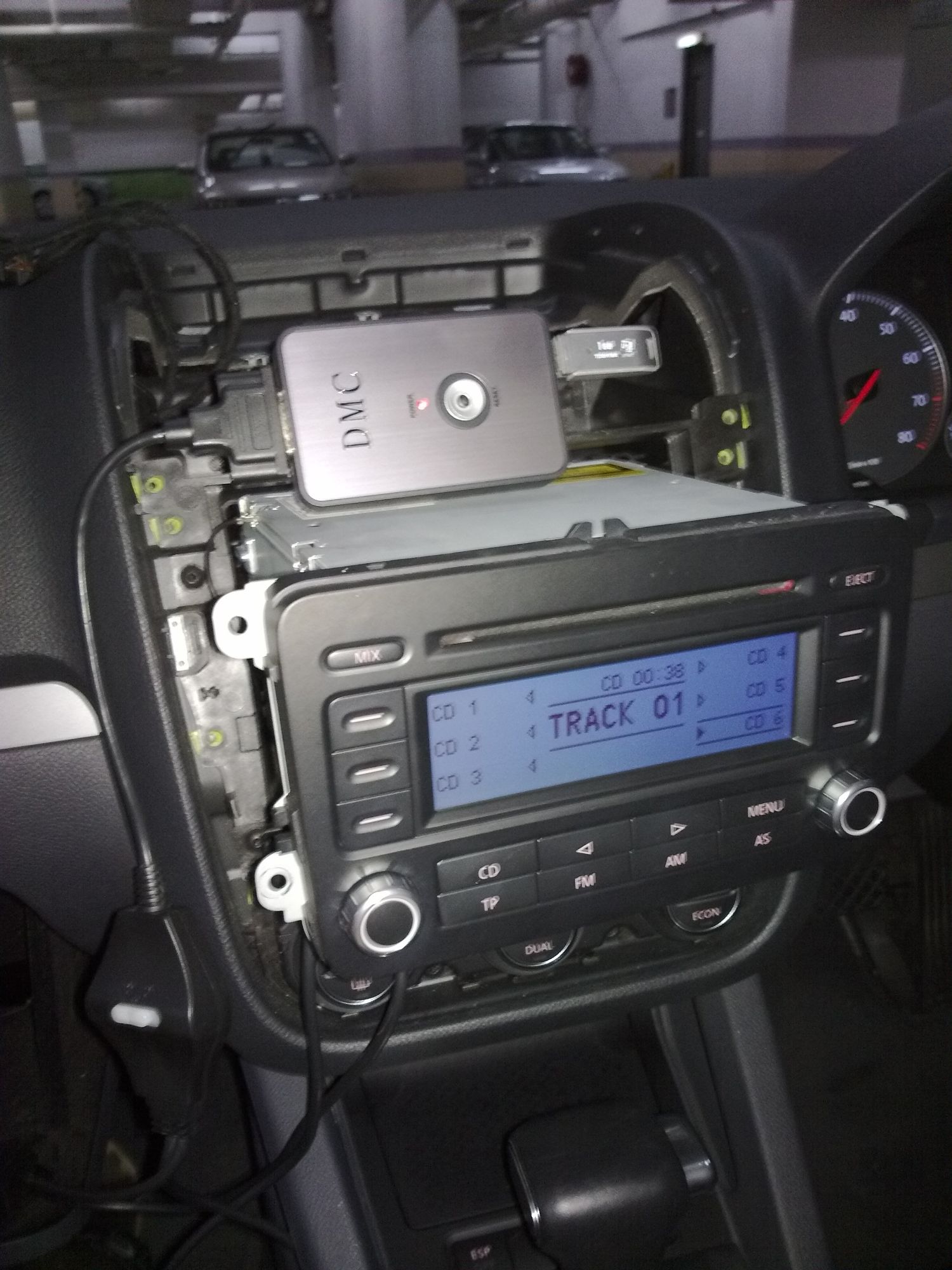
However, this Golf didn’t stay with me for long. I bought it in September 2009 and sold it by June 2011. The Golf offered a great driving experience, but it wasn’t reliable or durable. Even with only 40,000 to 50,000 kilometers on the clock, the check engine light came on several times for no reason, the battery went flat (due to an issue with the heated electric seats), and routine maintenance such as oil changes was noticeably more expensive compared to Japanese cars.

It is just a five year-old car, the buttons on the VW had already started fading. In China, Volkswagen is called “大眾” (Dazhong), and honestly, the quality felt pretty average. So, I decided it was time to switch again.
I took some time to think about what I really wanted in my next car and came up with a list:
- At least a 2.0L engine (turbocharged 1.5L engines weren’t popular back then)
- A 5-door wagon or hatchback
- No 4-door sedans, no 7-seaters
- Easy and affordable maintenance
Hatchbacks aren’t that common in Hong Kong — most are 7 or 8-seaters. I did consider the Honda Stream for a while but eventually went back to Mazda. I ended up buying a second-hand Mazda 6.
2006 Mazda 6 2.3 MZR Hatchback

- Model:GG
- Engine:2261cc inline 4 cylinder S-VT
- Power:166PS(122kW)@ 6500 rpm
- Torque: 207 Nm@ 4000 rpm
- transmission:5 speed automatic +/- mode
- Dimension:L4690mm, W 1780mm H 1435mm
- Weight:1485kg
- FWD
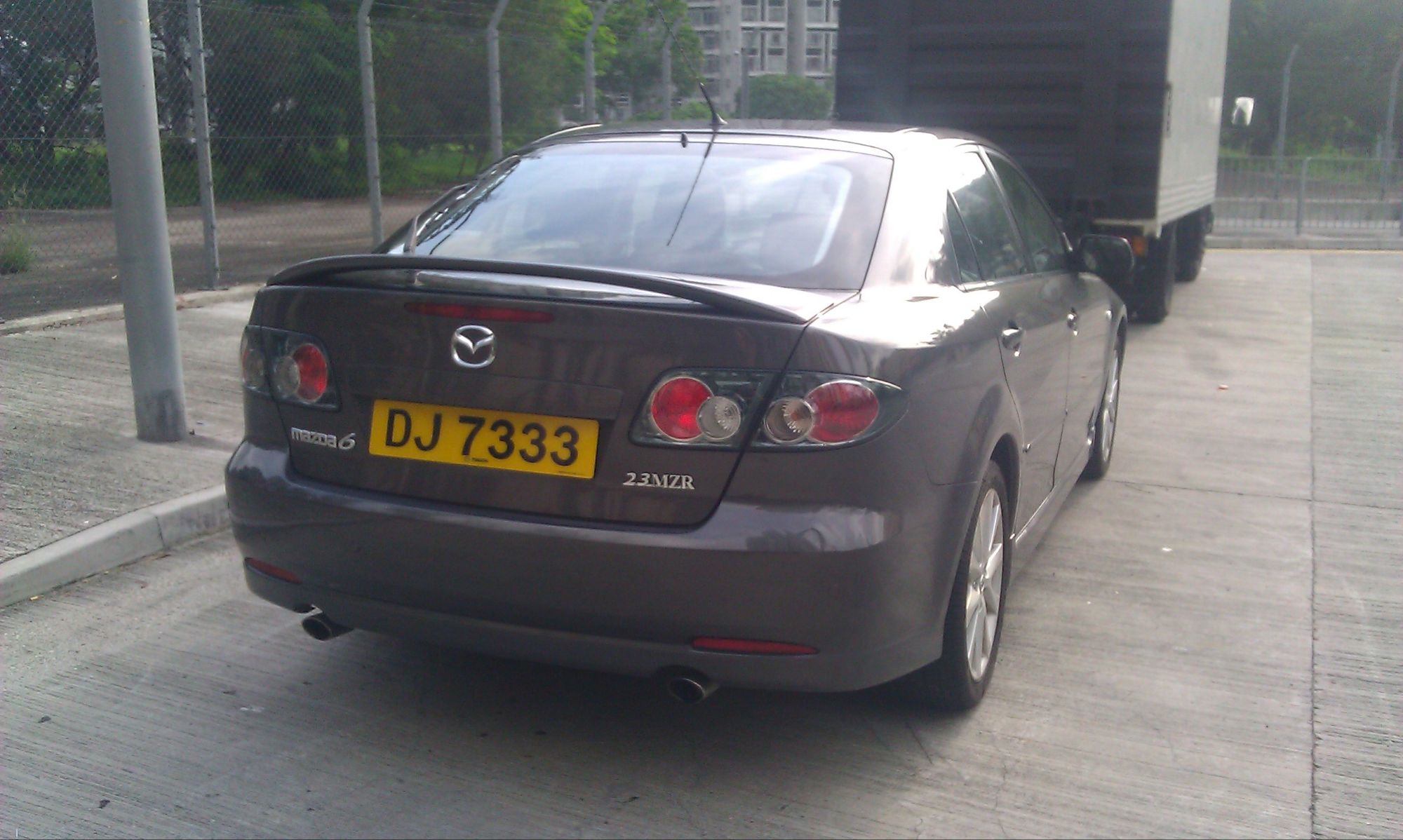
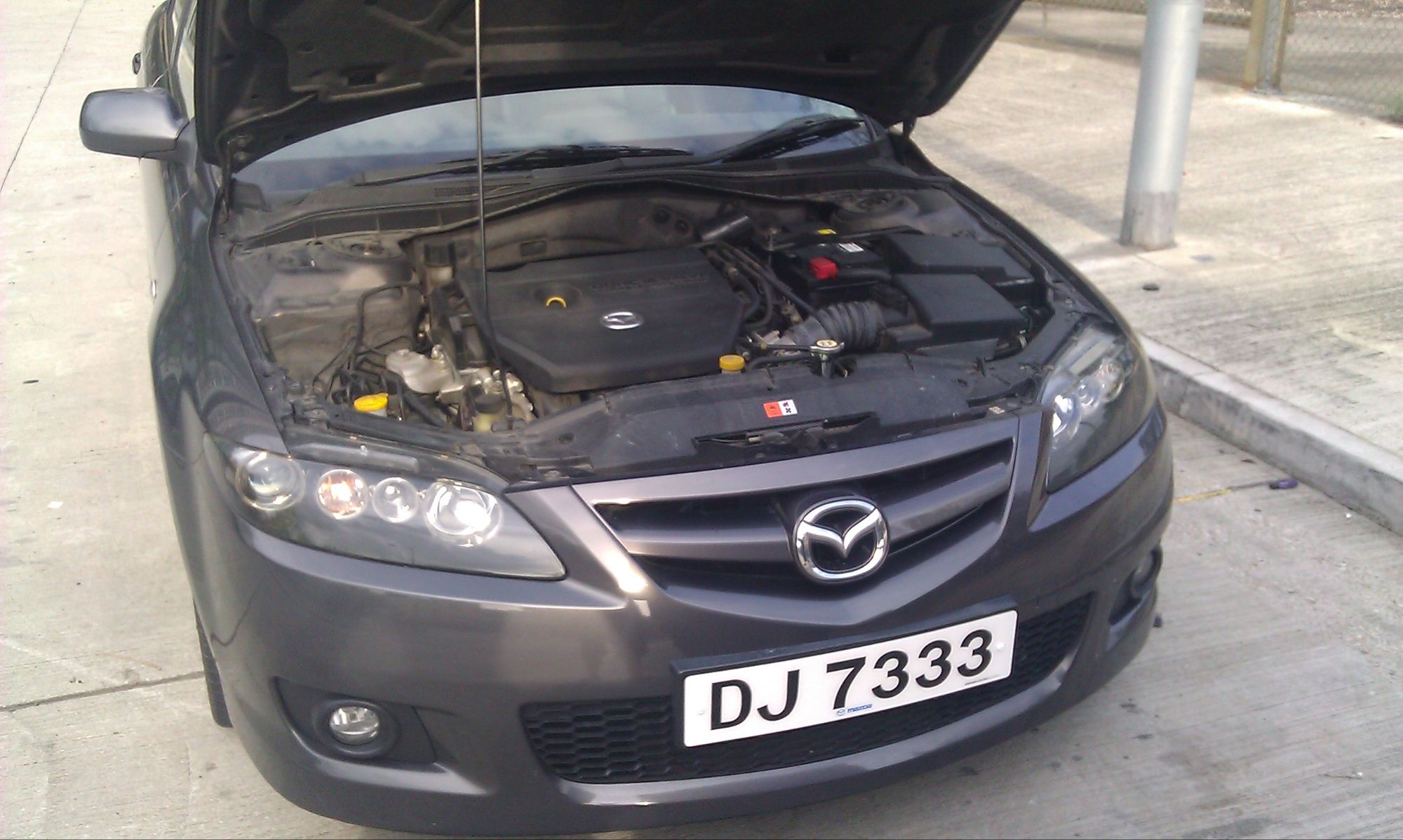
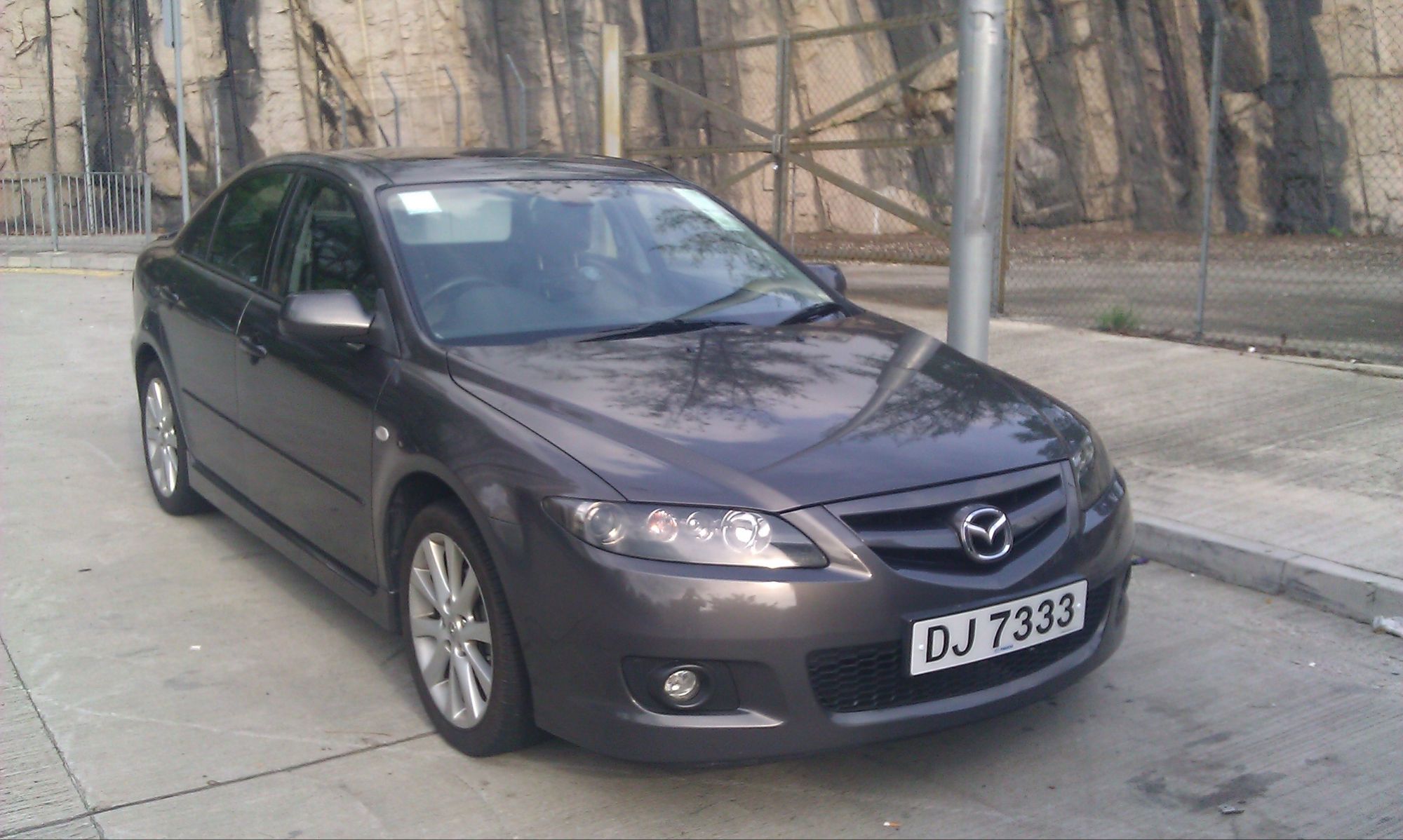
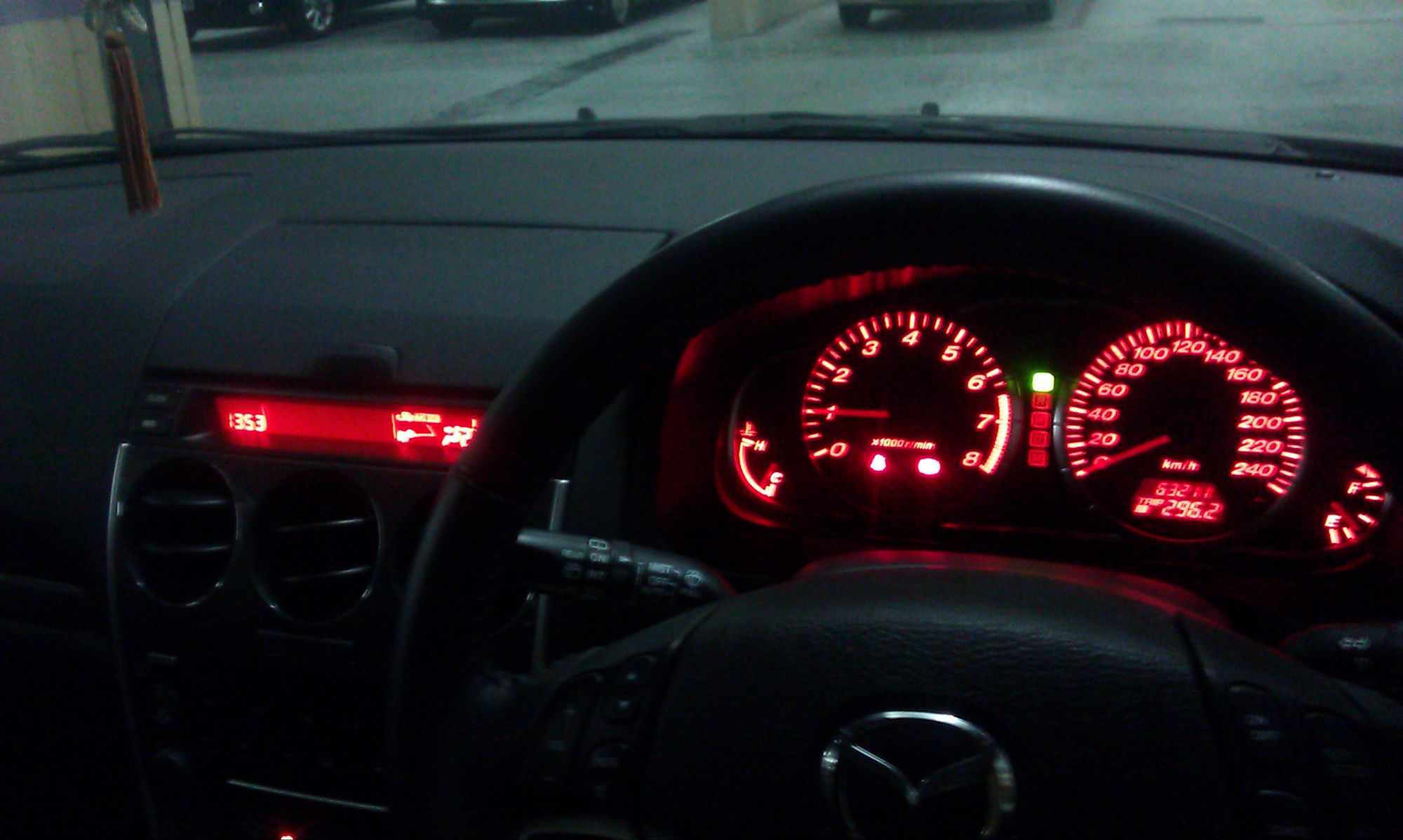
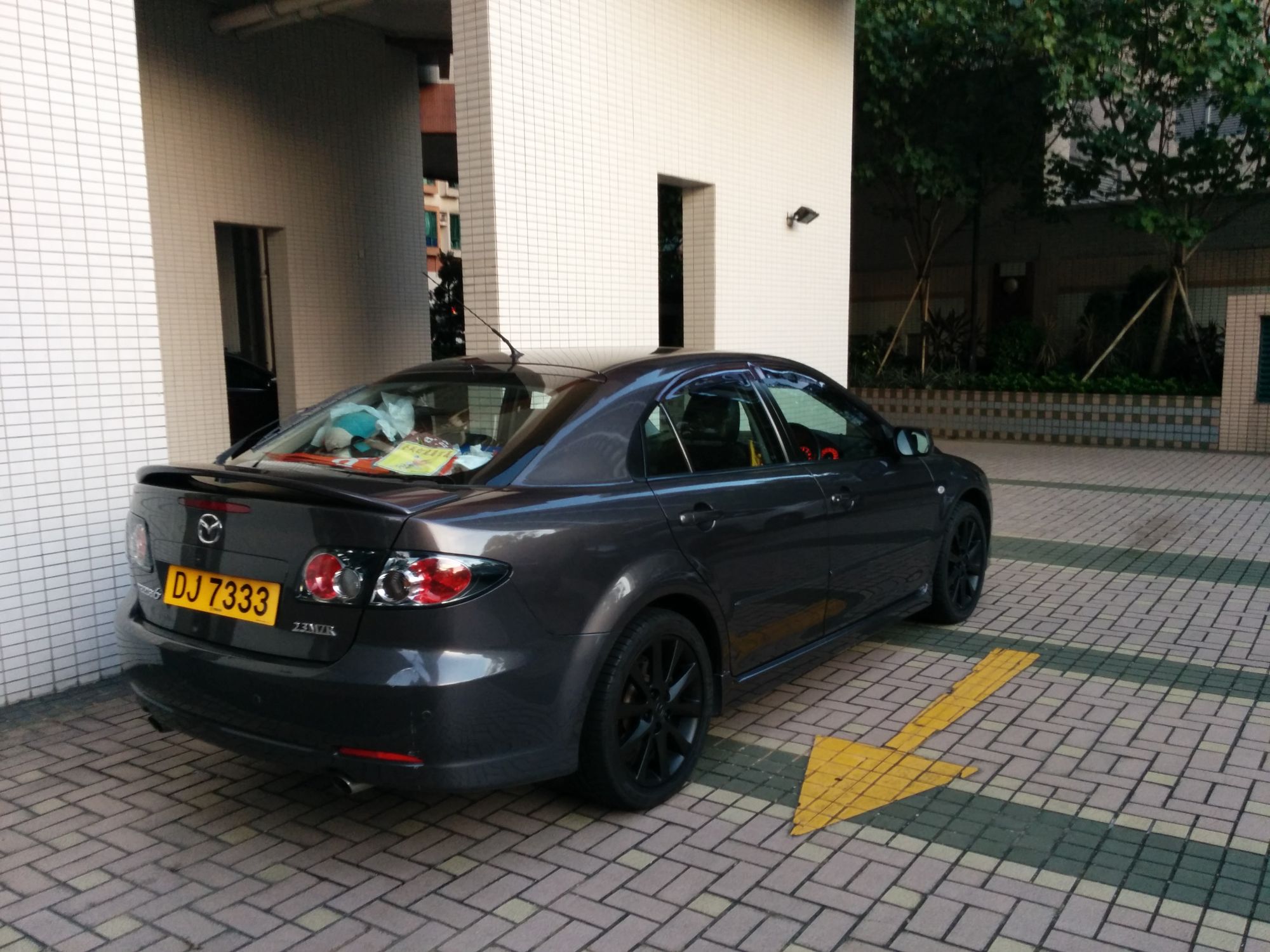
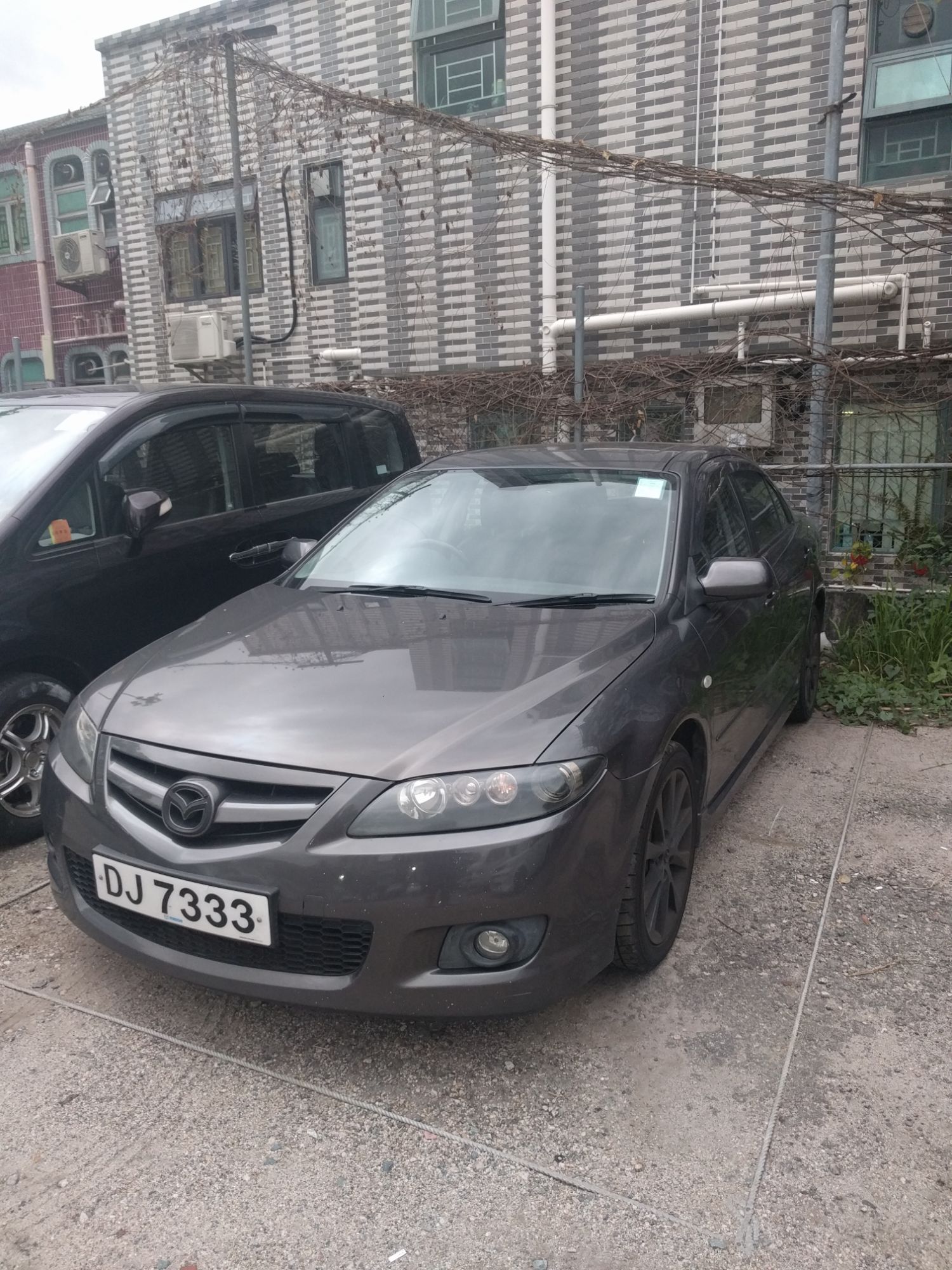
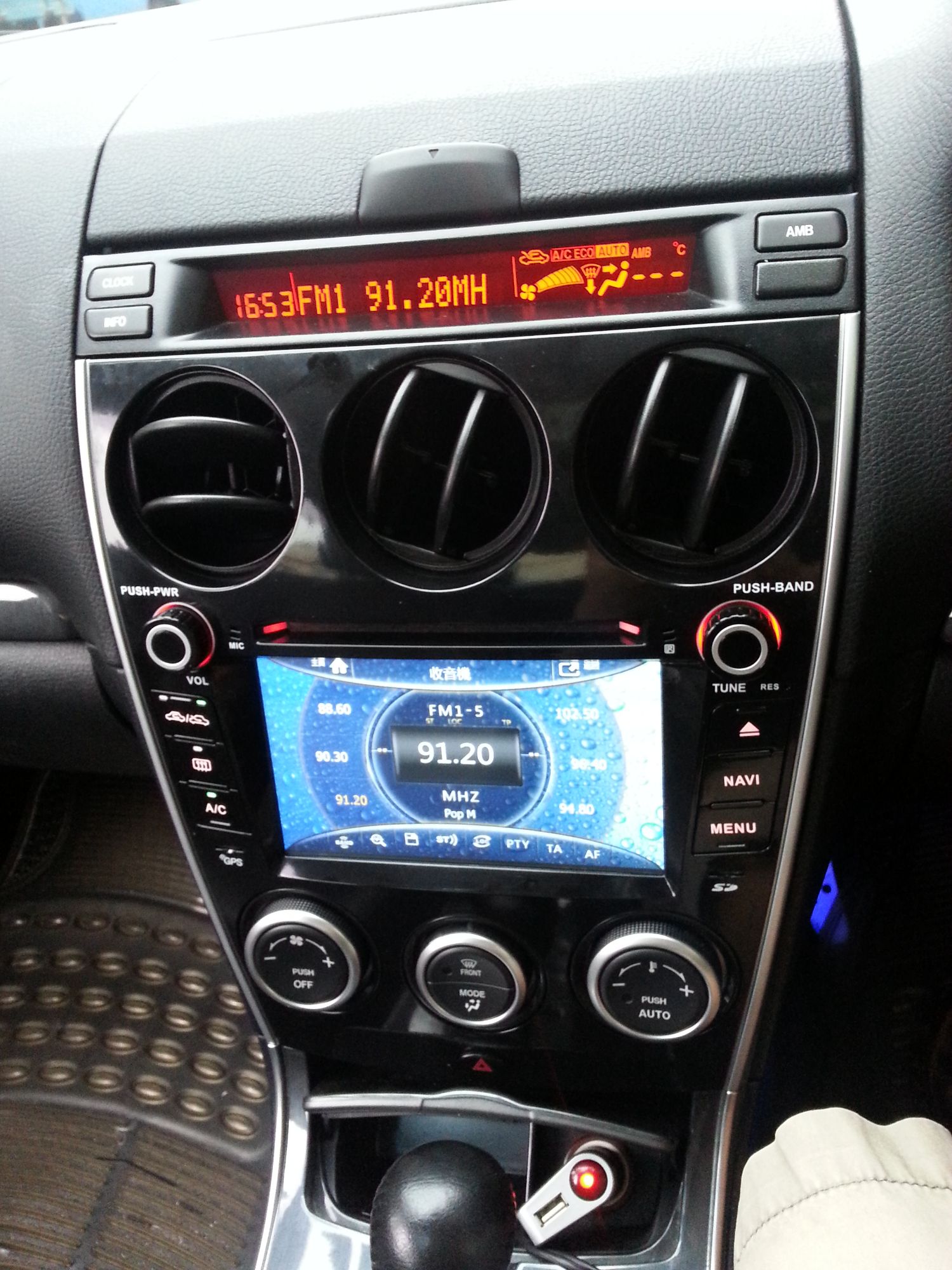
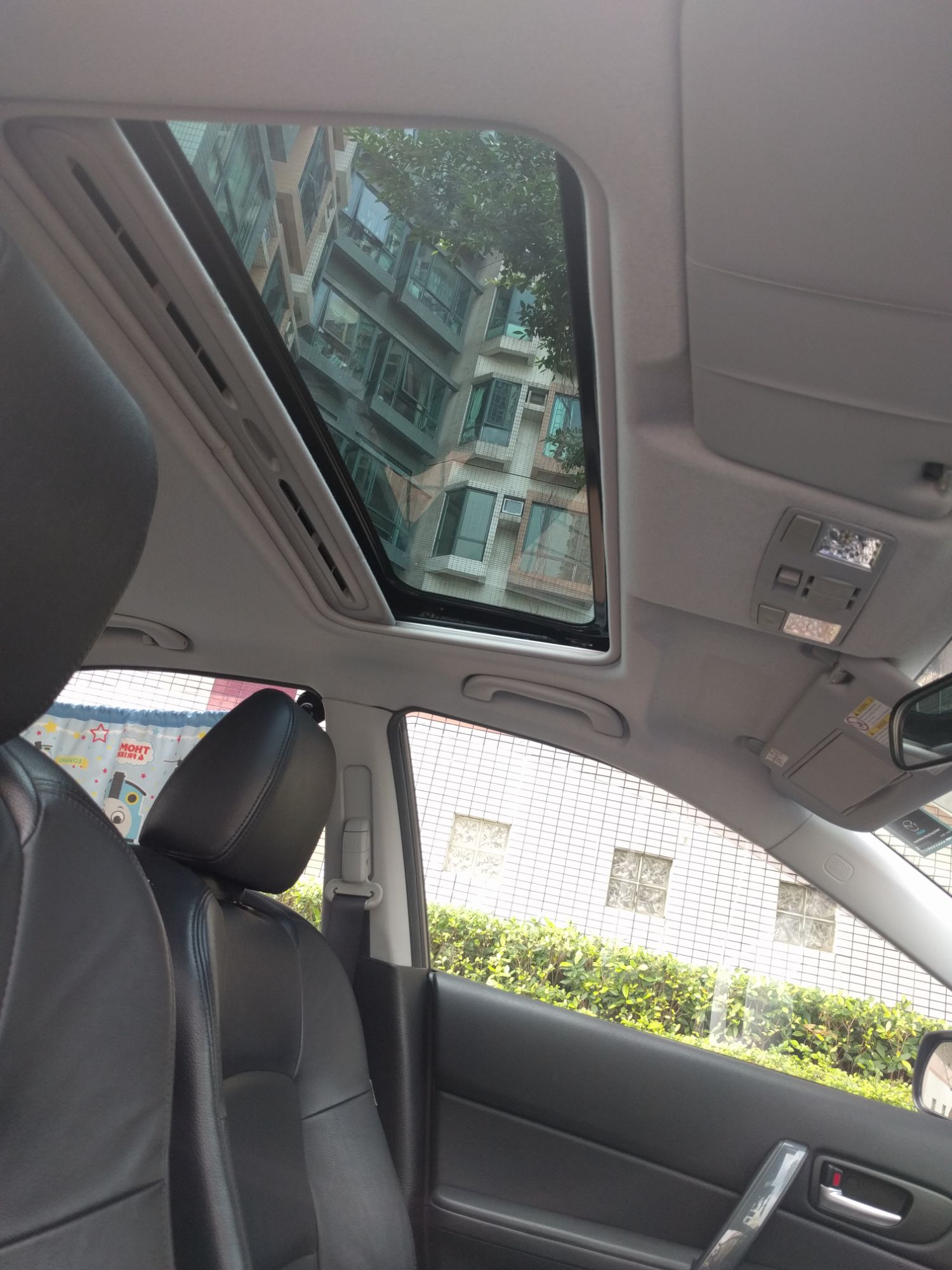
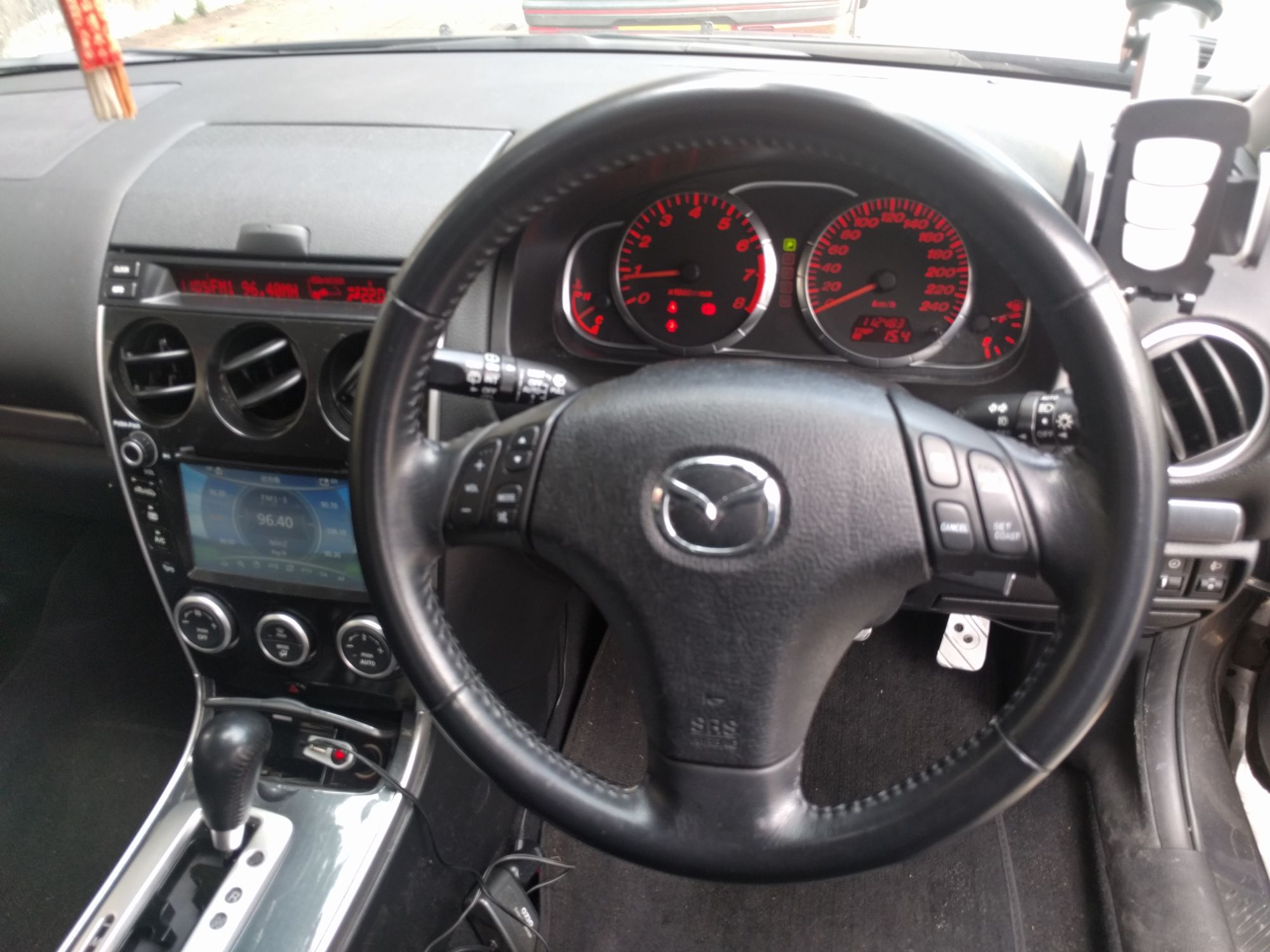
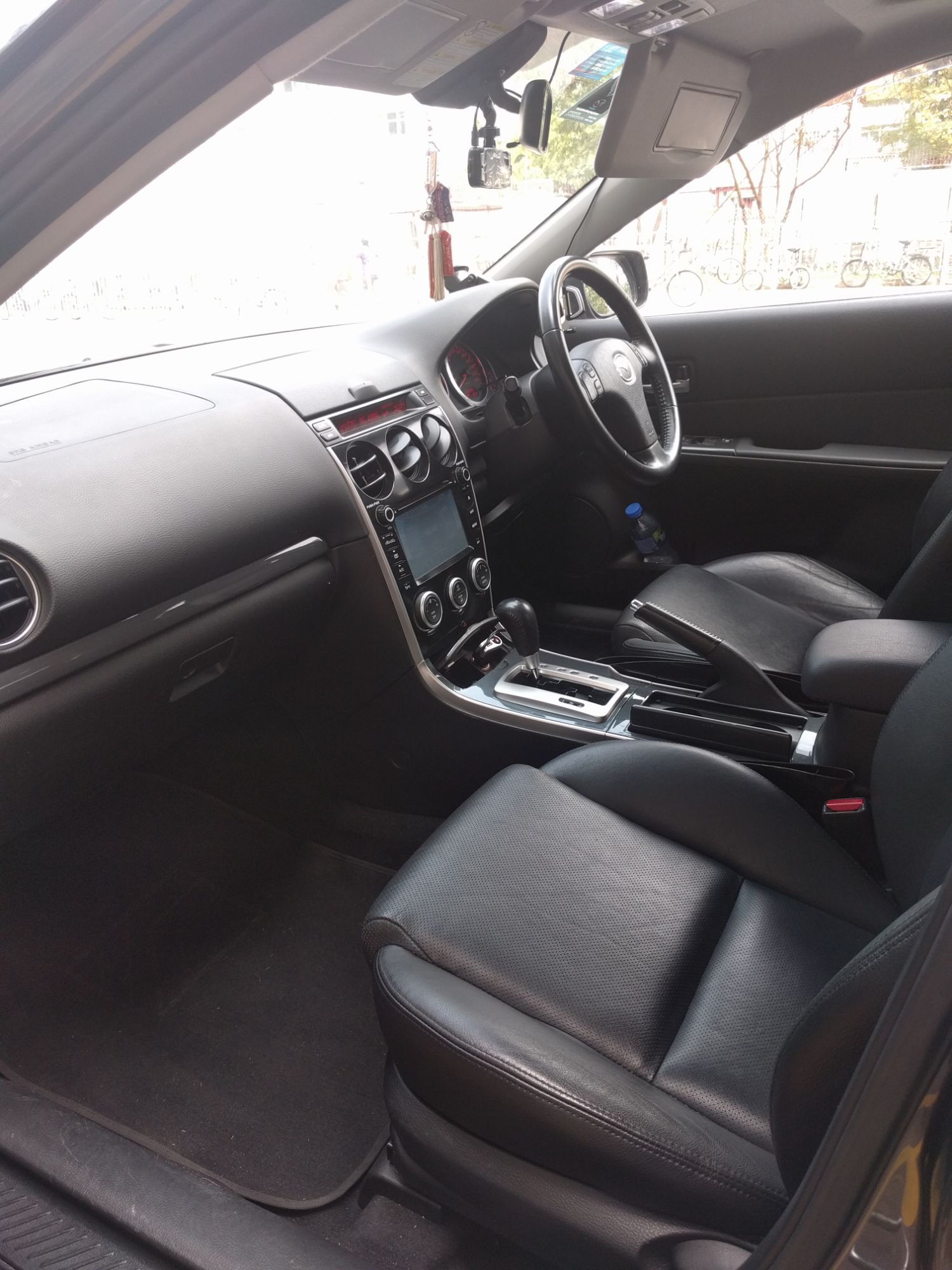
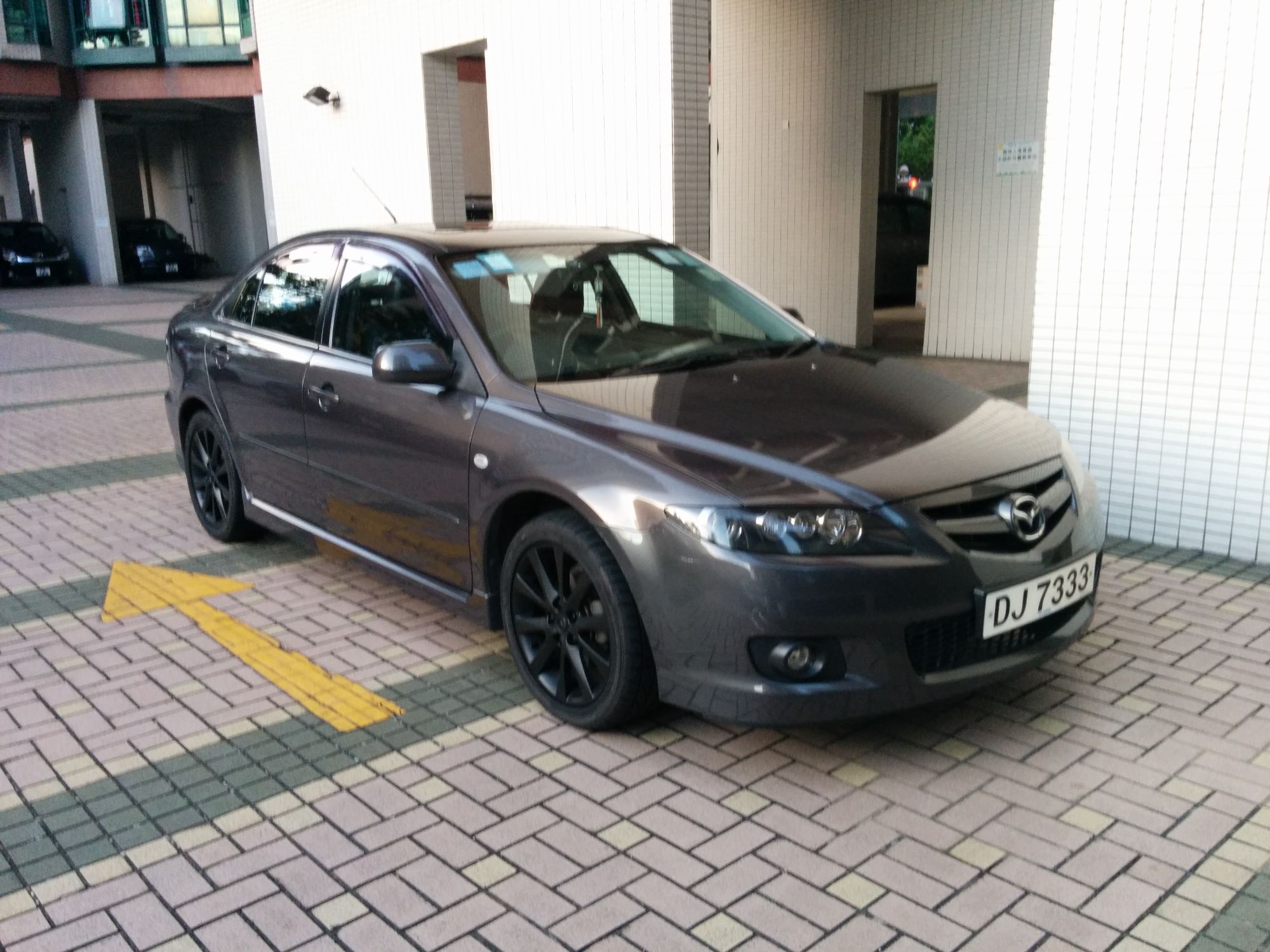
This one was the top-spec version, with a sunroof, power-adjustable leather driver’s seat, cruise control, automatic headlights with rain sensors, and more. It’s a 2006 model with a 5-speed gearbox, different from the earlier 4-speed version.
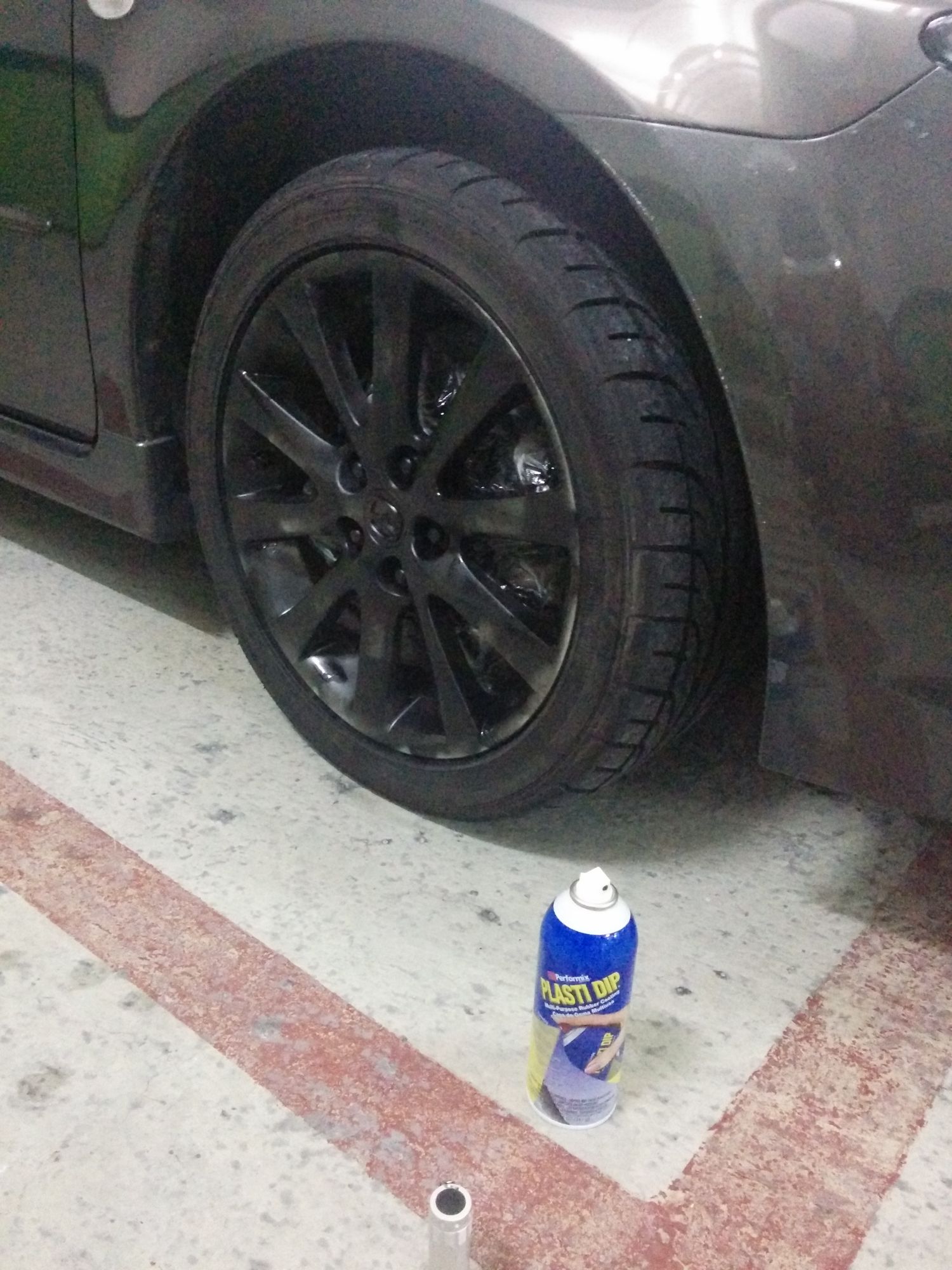
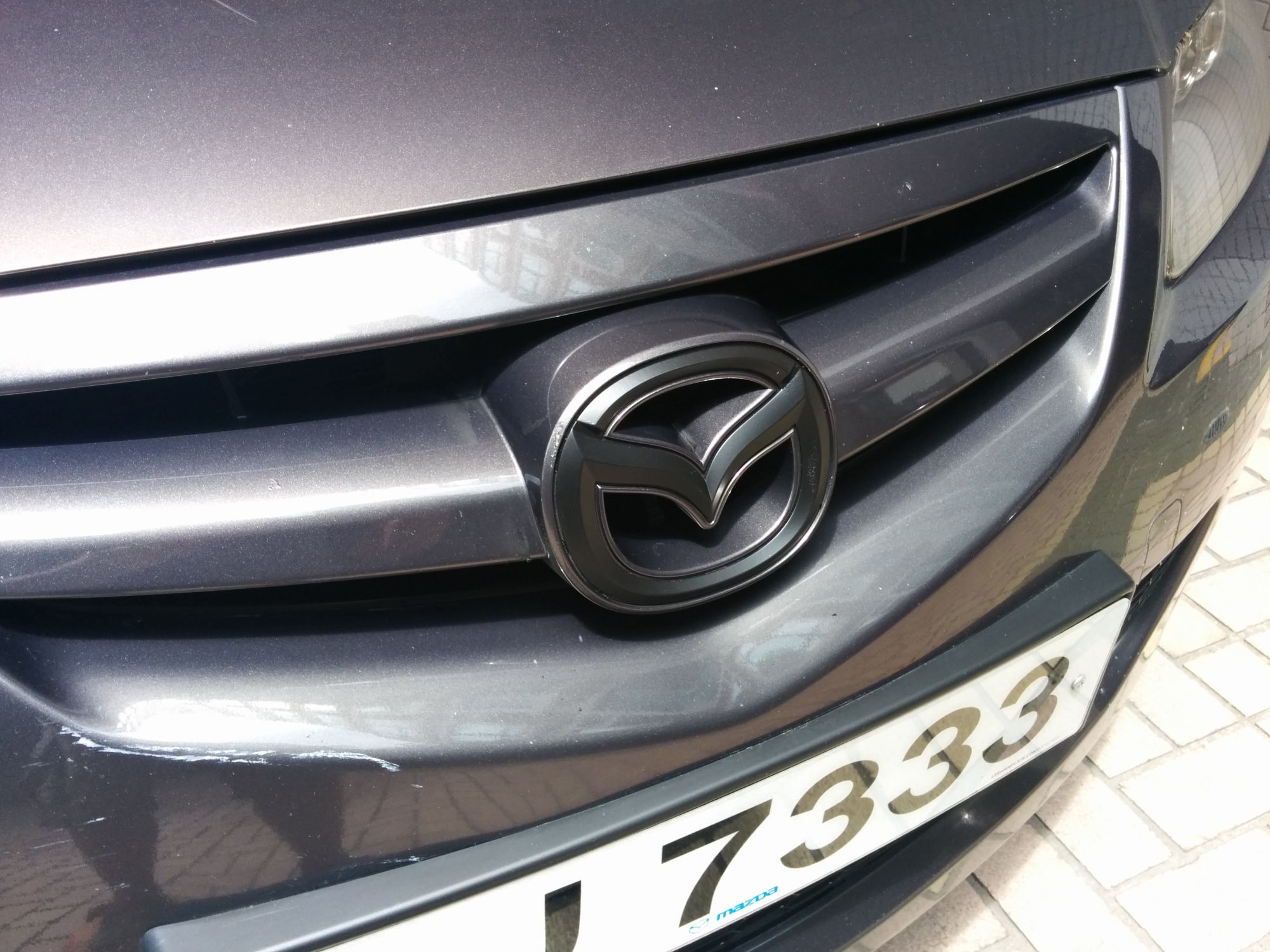
Later on, I discovered “plastic dip” spray online and got tempted to spray the original wheels matte black to “de-chrome” them. It definitely made the whole car look a lot cooler.
I have to give credit to Mazda’s designers — even 15 years ago, they created such a sporty and dynamic look. Even now in 2025, the design still doesn’t feel outdated or old-fashioned at all.
From June 2011 until I emigrated in April 2017, this Mazda6 was my faithful companion for almost six years. I drove it over 50,000 kilometers — my longest-lasting car so far. During those six years, I did have a few issues: the electric sunroof sometimes wouldn’t open or close, the side window motor broke down, and the throttle body got clogged with carbon buildup, which triggered the engine warning light. Other than that, it was pretty reliable with no major problems.
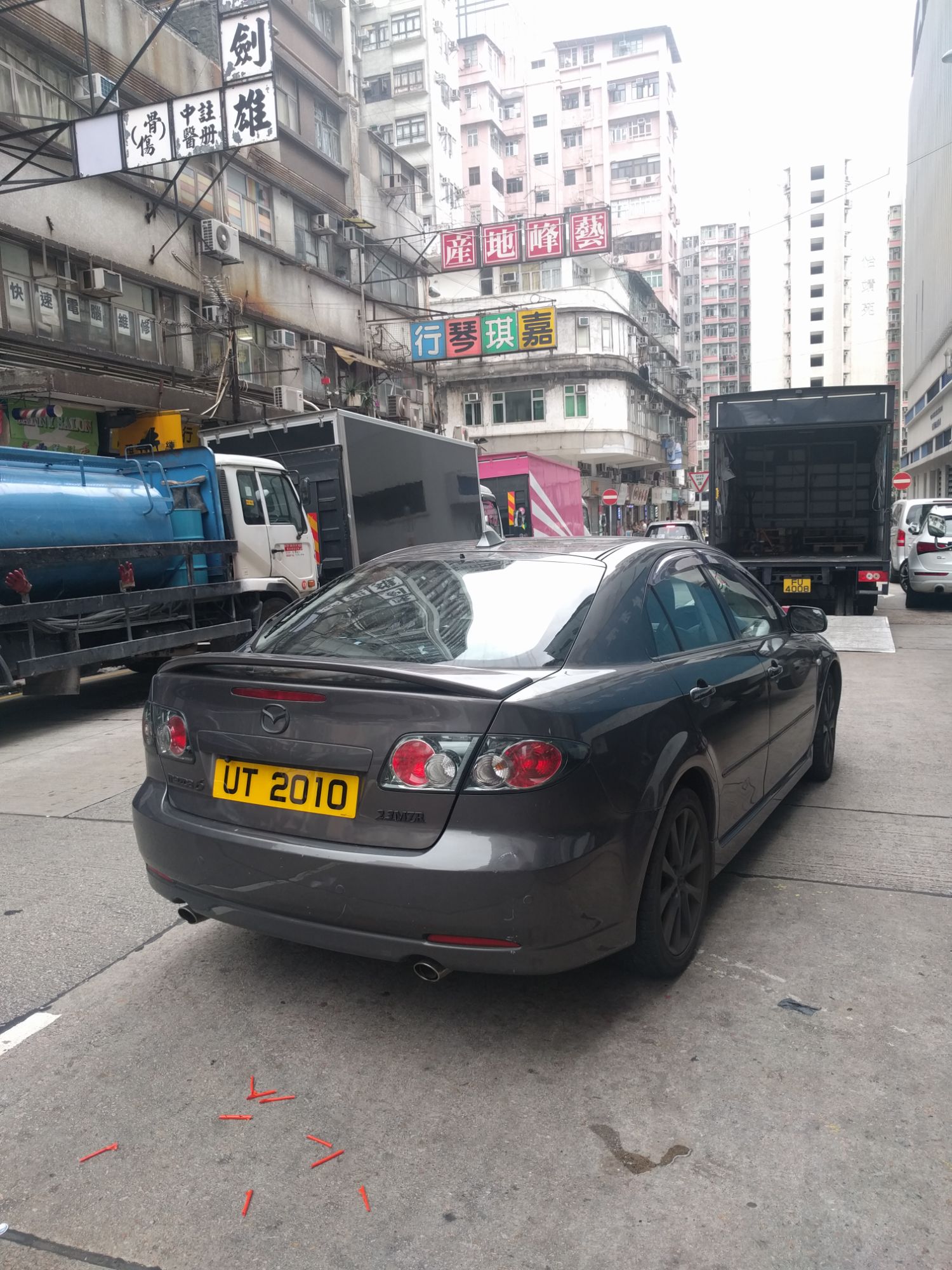
Sharp-eyed friends might have noticed that I used the plate number DJ7333 for nearly 10 years. This number originally belonged to my father-in-law, and I only transferred it back to him when I emigrated in 2017.
2017 Mazda 6 Wagon

- Model: GJ
- Engine: 2,488cc inline-4 naturally aspirated Skyactiv-G
- Power: 185 hp (138 kW) @ 6,000 rpm
- Torque: 252 Nm @ 4,000 rpm
- Transmission: 6-speed automatic with manual +/- and Sport mode
- Dimensions:
- Length: 4,865 mm
- Width: 1,840 mm
- Height: 1,480 mm
- Curb Weight: 1,627 kg
- Drivetrain: Front-wheel drive (FWD)
In Australia, having a car is absolutely essential. The first thing I did after arriving in Melbourne was to pick up my car — I’d arranged to buy it through someone in Australia more than a month before I arrived. Having driven a Mazda6 Hatchback before, I went for the wagon version here, which isn’t available in Hong Kong. Even though it’s the base model with manual velvet seats, it already comes with factory Bluetooth audio, navigation, cruise control, automatic rain-sensing headlights, front and rear safety radars with automatic braking, and blind spot monitoring — all standard features.
The blind spot monitor is one of the most practical safety features I’ve used.
With 185 horsepower and all these features, the car is more than enough for everyday driving. As for the sunroof, it’s really just an extra headache — I’m sure it’ll stay closed most of the time. Plus, with Australia’s harsh sun, the risk of the plastic seals aging and leaking is a serious concern. Price was also a factor.
In Australia, a car is purely a tool. Practicality and reliability are what matter most.
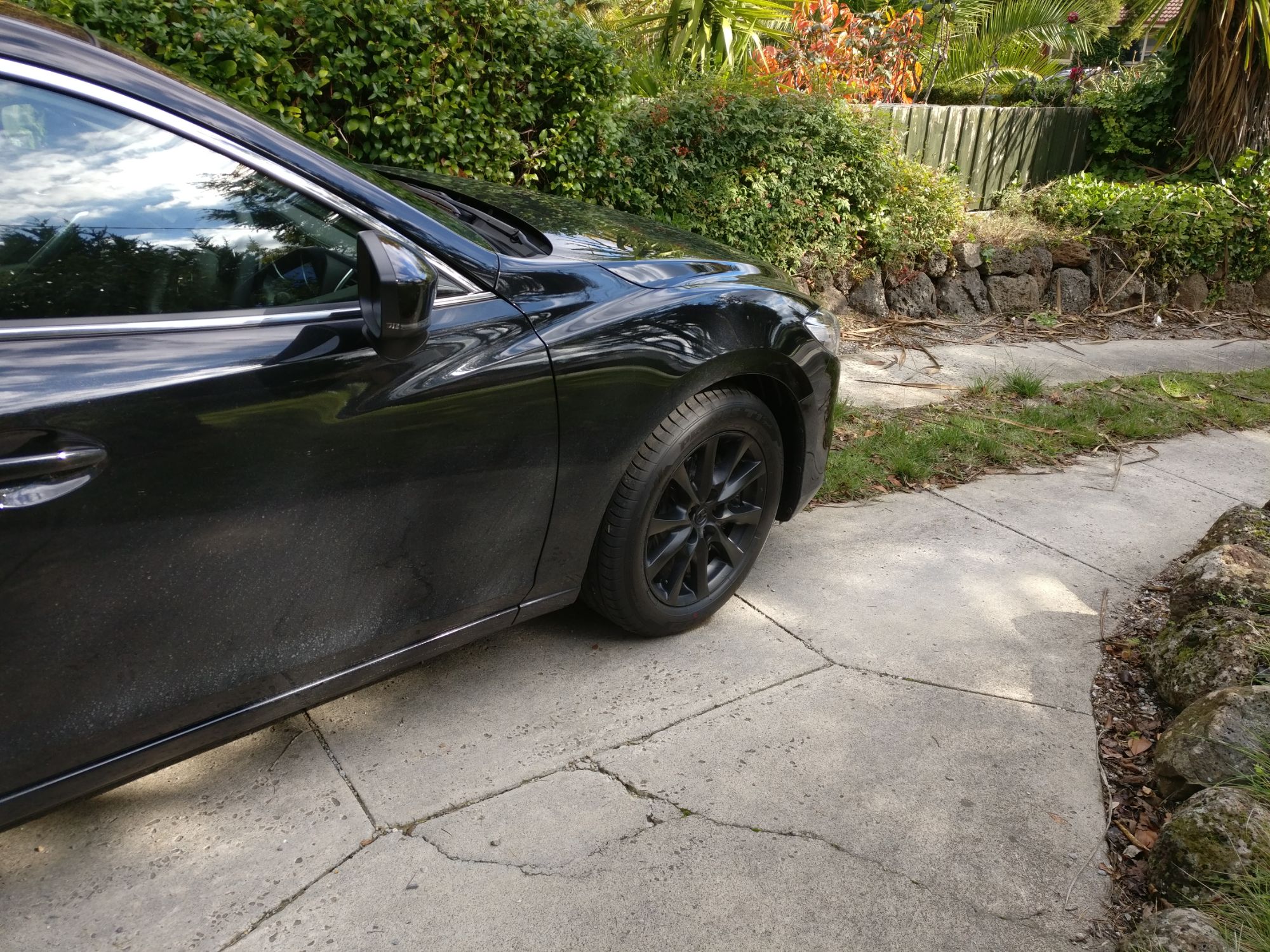
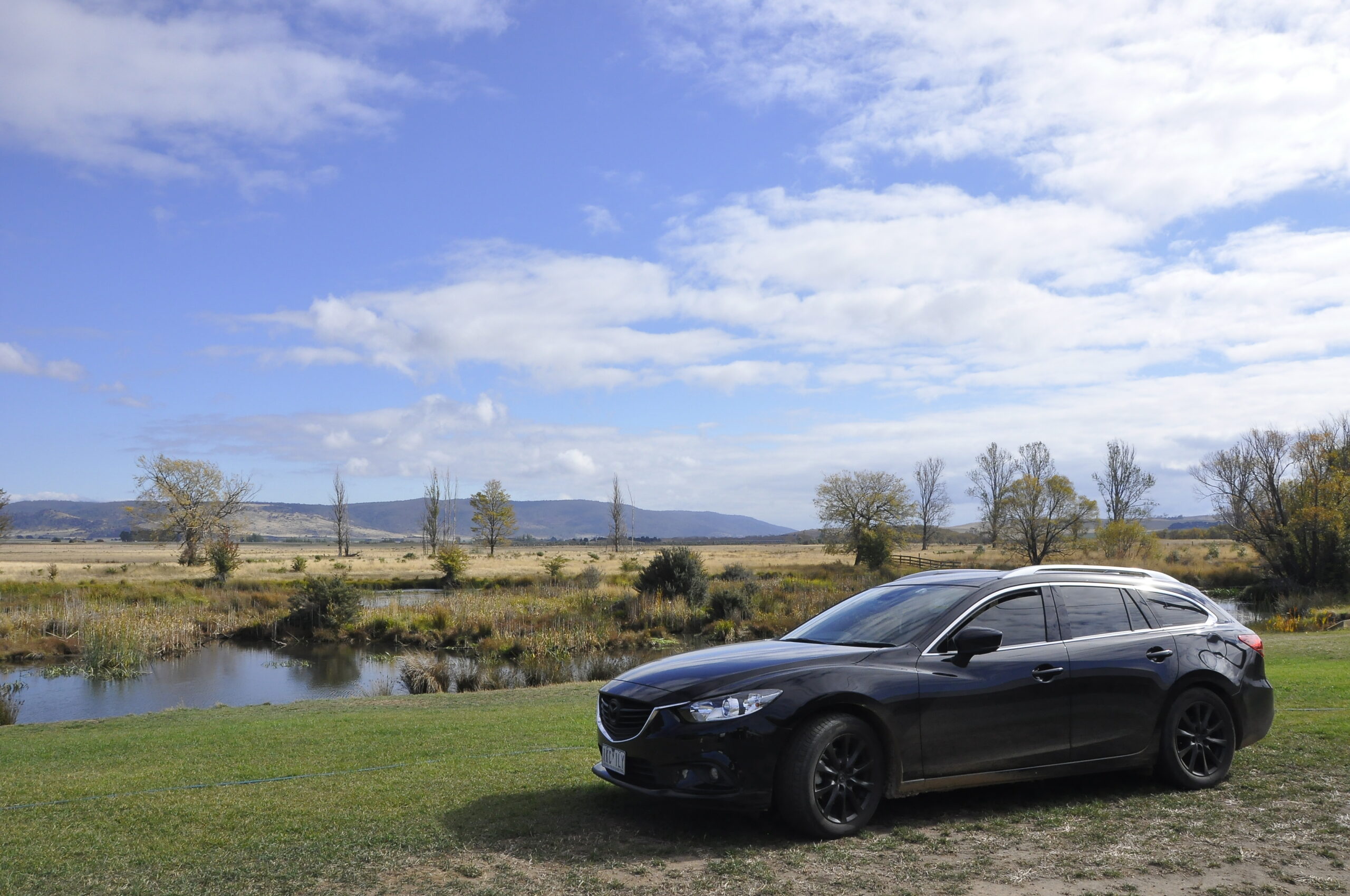


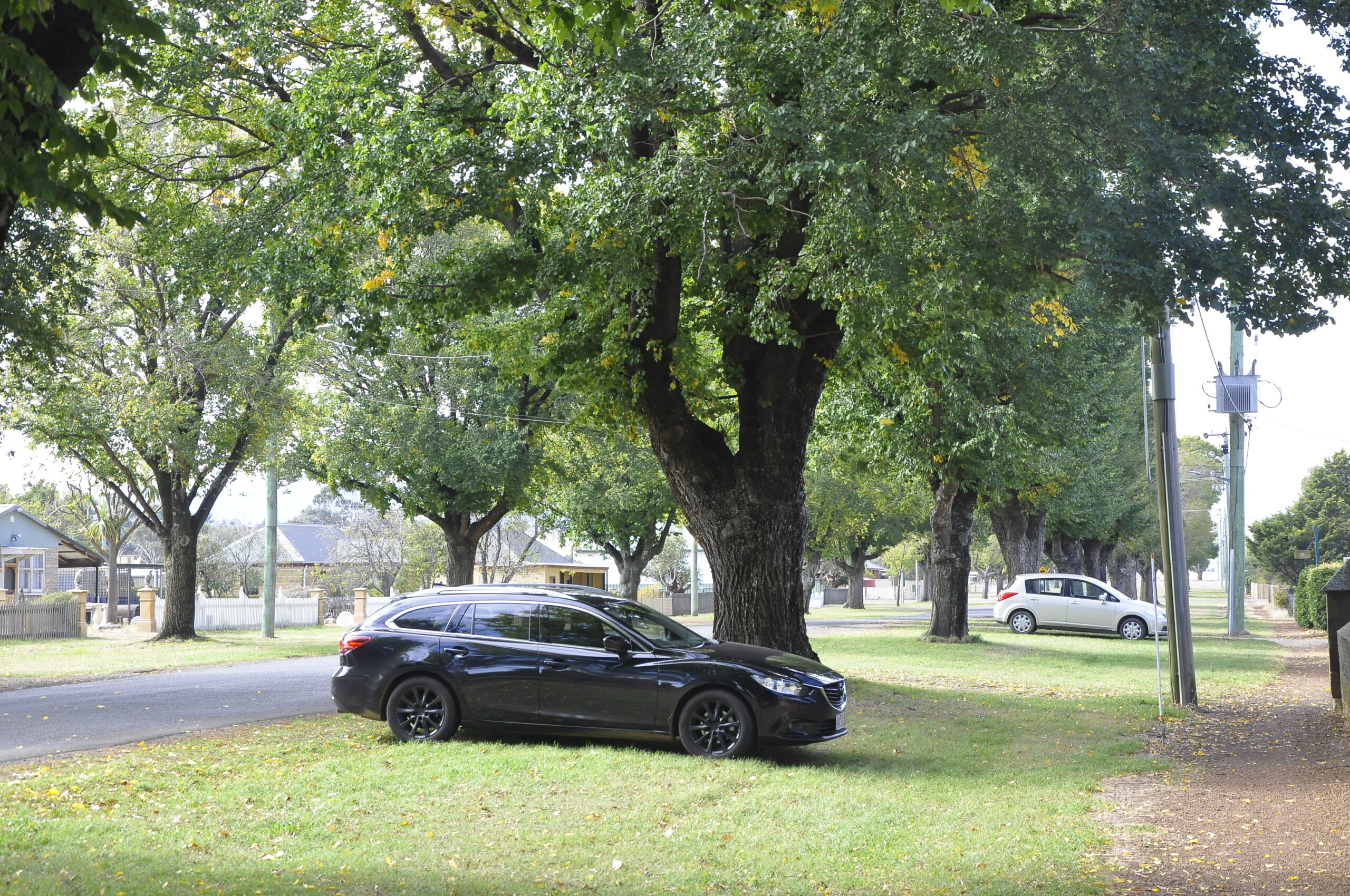
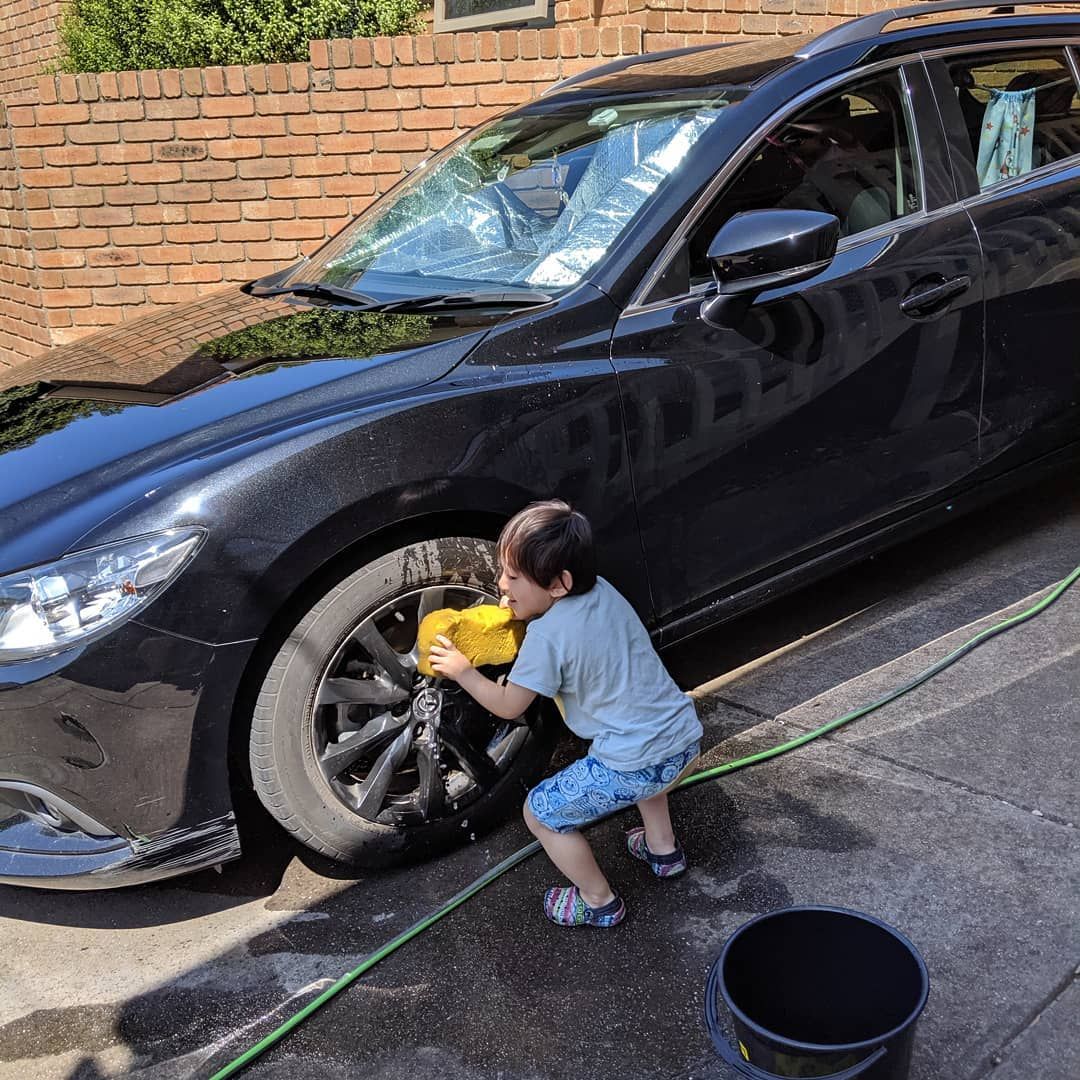
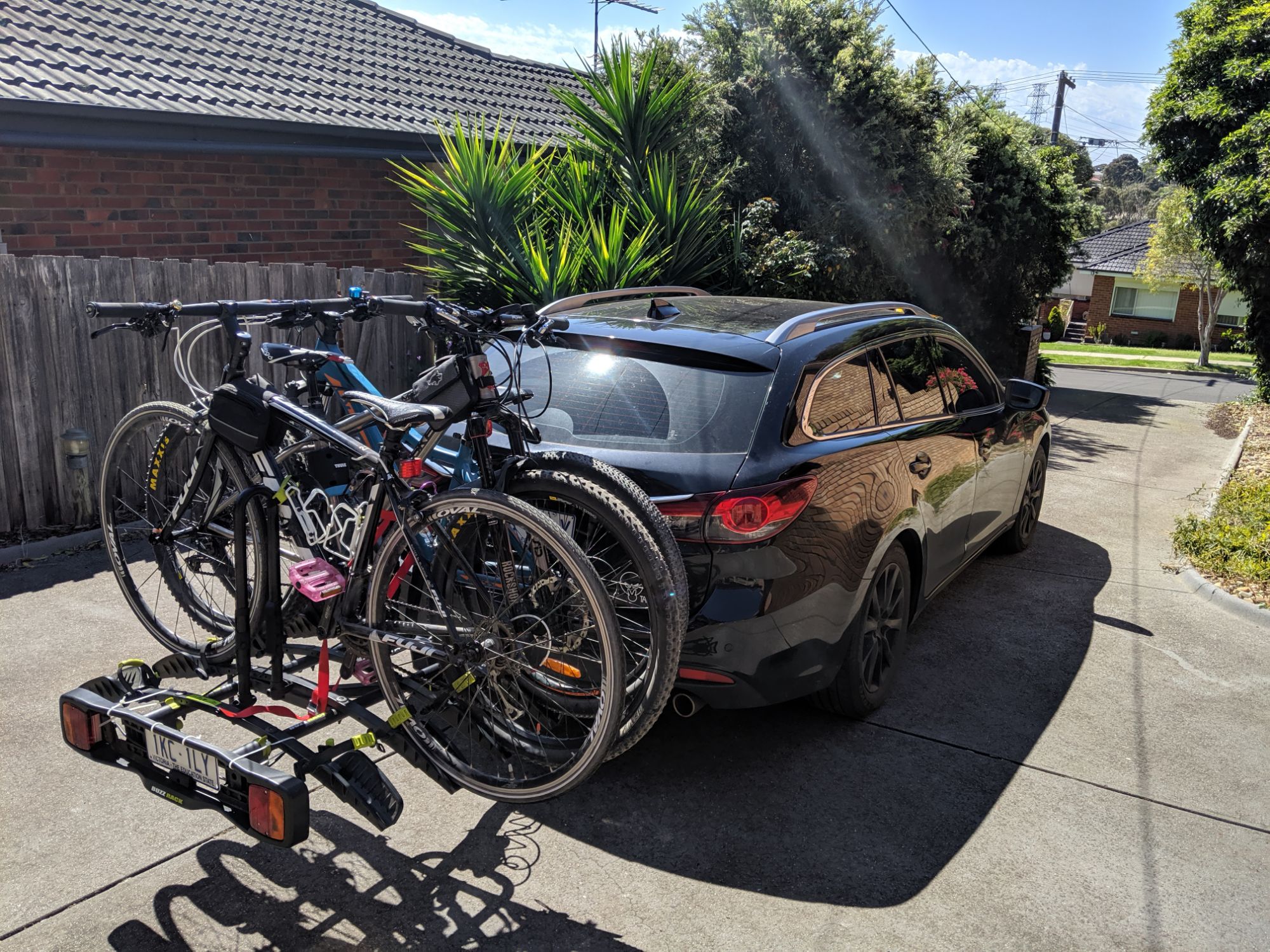


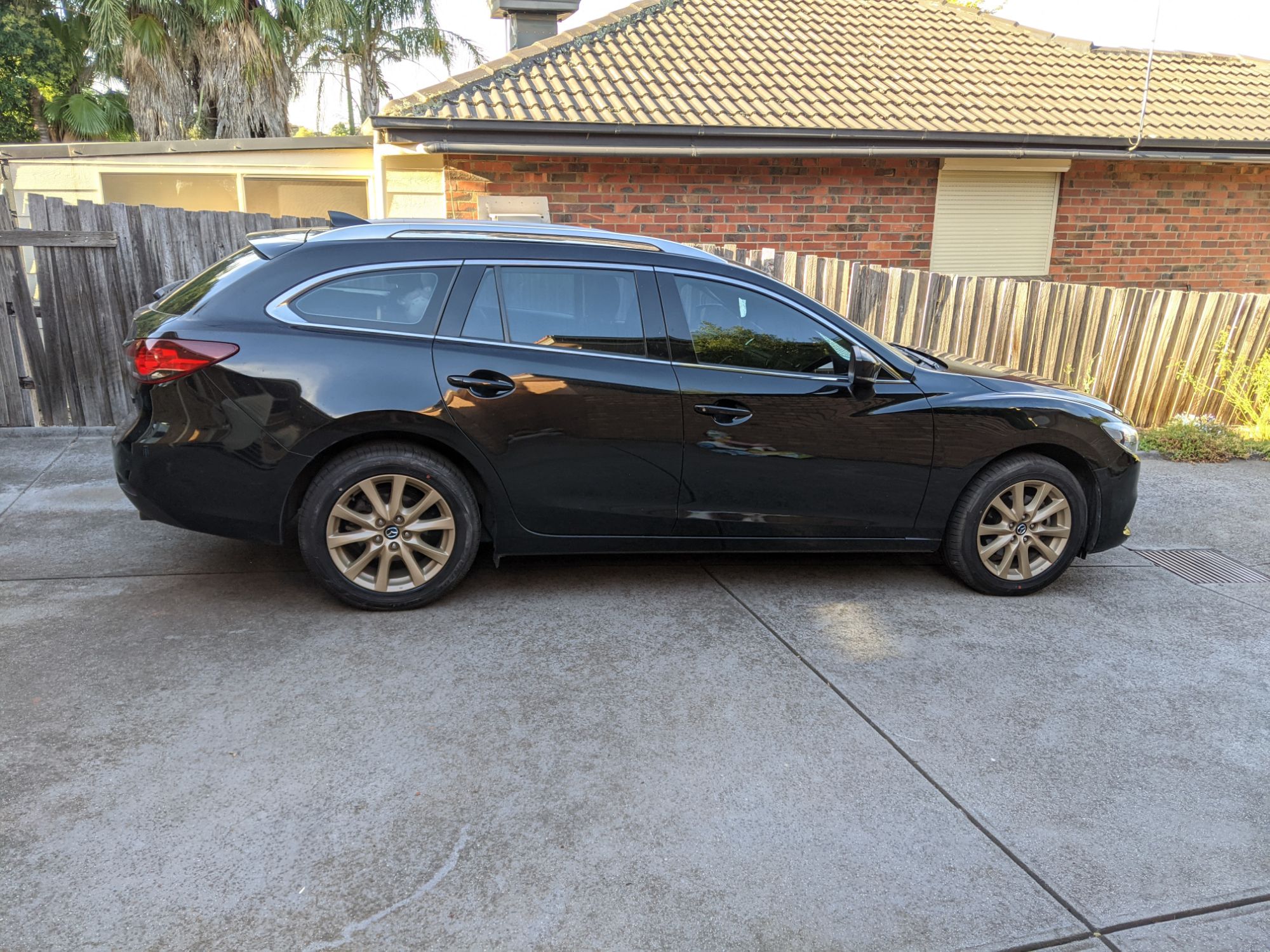
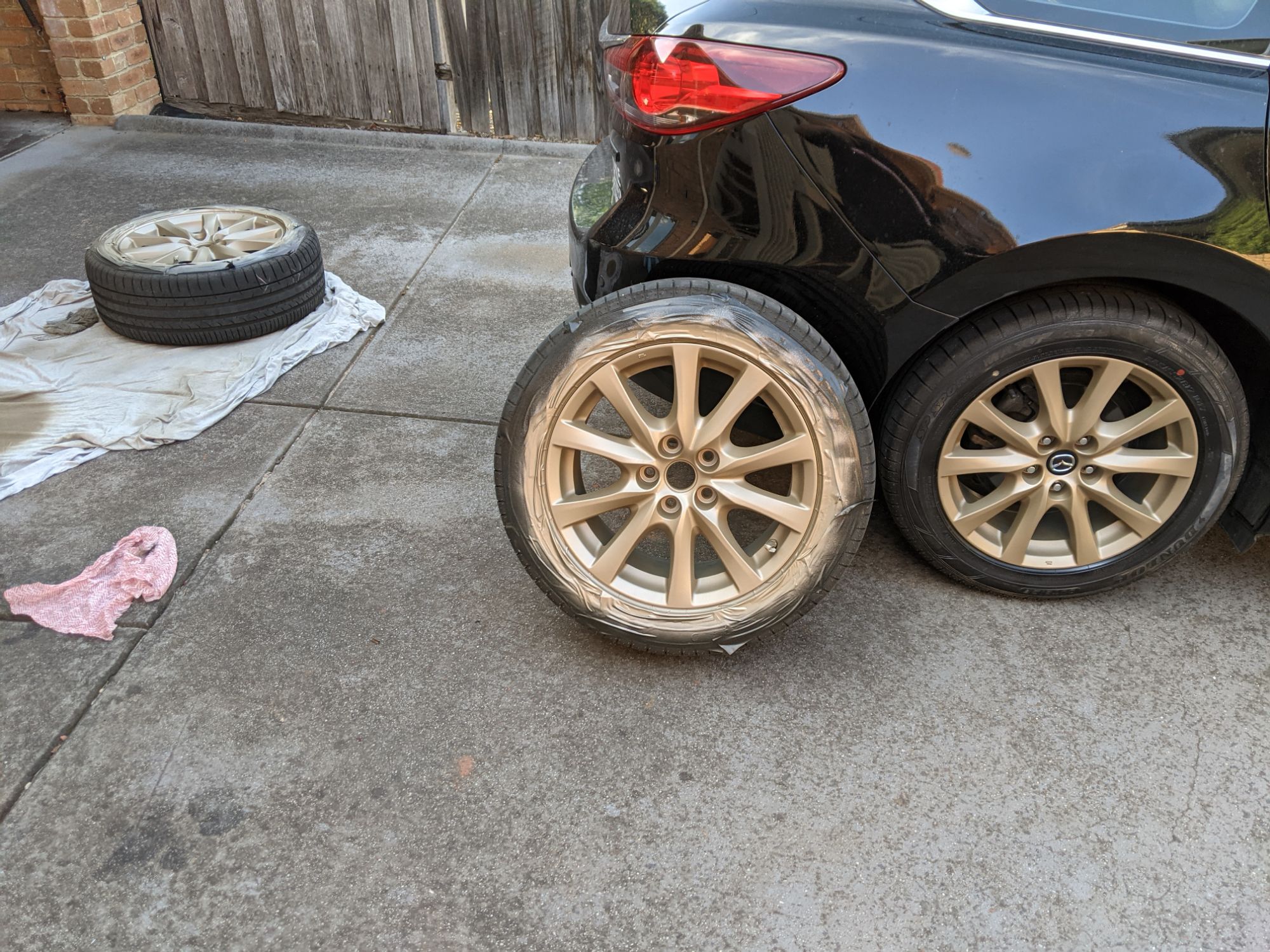
This Mazda has been with me for five and a half years — super practical and reliable, with almost no problems at all. Mechanically, the 2.5L inline-4 engine isn’t huge (especially for a 1.6-ton car), but it’s more than enough and very dependable. Together, it took my family and me all over Melbourne’s streets and suburbs, regional Victoria, Sydney, and even Tasmania twice. We covered 110,000 kilometers in total.
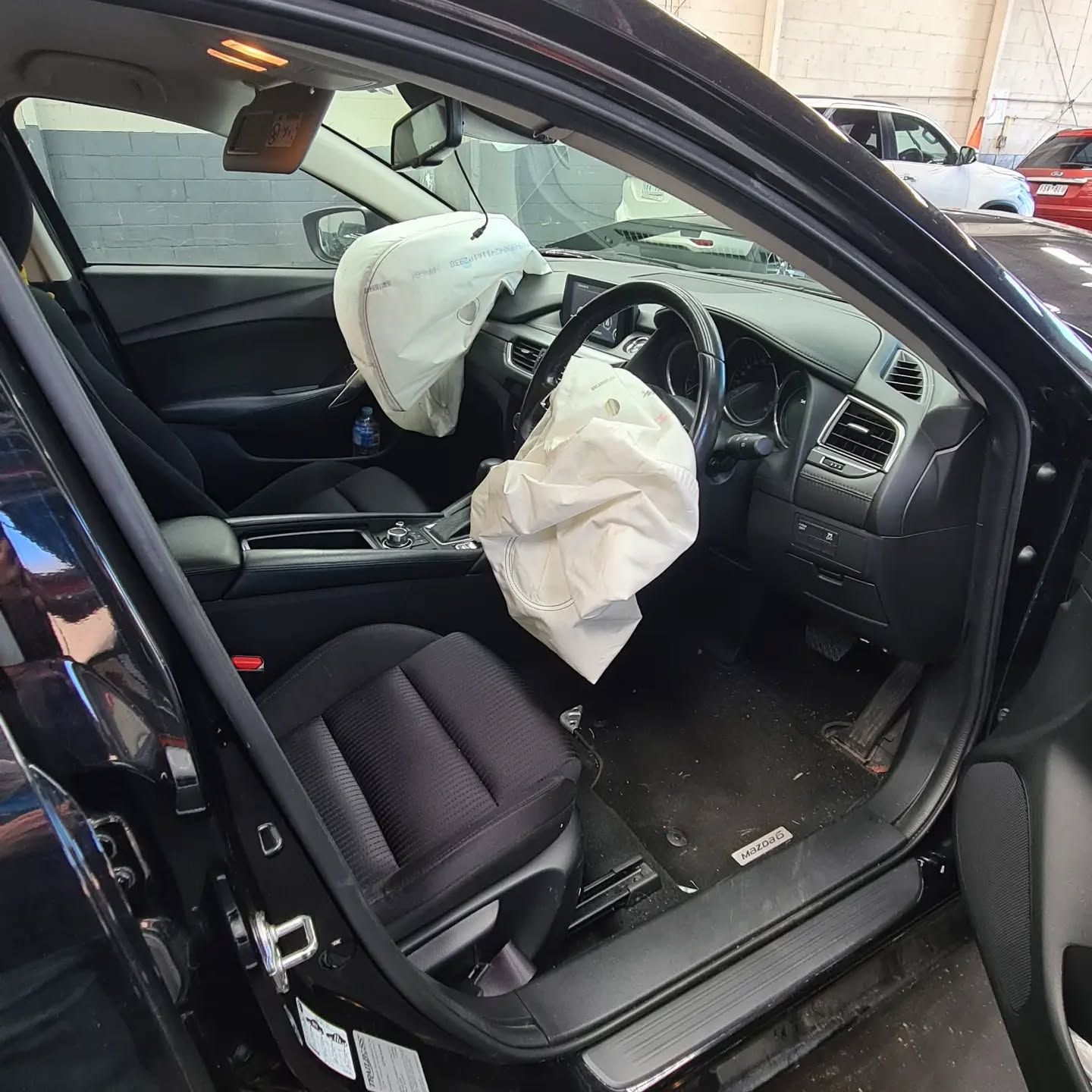
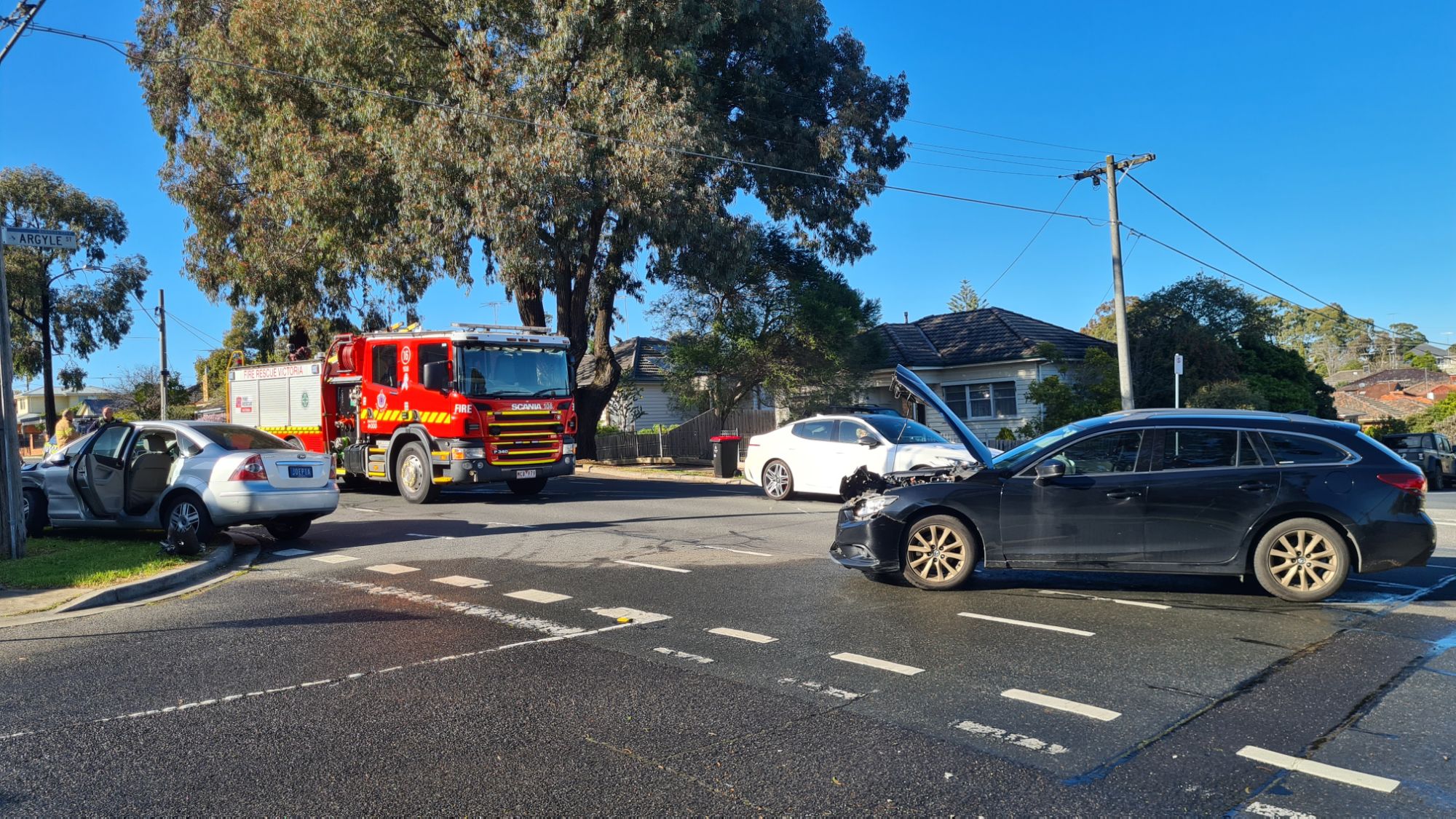
Unfortunately, in 2022, the car was badly damaged in a traffic accident. The car was gone, but thankfully I walked away completely unscathed — just a bit shaken up.

2019 KIA Cerato S
After the 2022 accident — which wasn’t my fault — I was able to get a free replacement car pretty quickly. That ended up being this KIA Cerato. It’s the base model, so it didn’t even come with floor mats, and it had those old-school steel wheels. But for getting around, it was totally fine. It has a 2.0L engine, Bluetooth audio, Apple CarPlay, Android Auto, a 6-speed automatic — all pretty standard these days.
I only had it for about three weeks while the insurance sorted out my old car, then I handed it back to the rental company.

- Model: BD
- Engine: 1999cc inline-4 naturally aspirated
- Power: 150 hp (112 kW) @ 6,200 rpm
- Torque: 192 Nm @ 4,000 rpm
- Transmission: 6-speed automatic with manual +/- mode
- Dimensions:
- Length: 4,360 mm
- Width: 1,780 mm
- Height: 1,450 mm
- Curb Weight: 1,230 kg
- Drivetrain: Front-wheel drive (FWD)

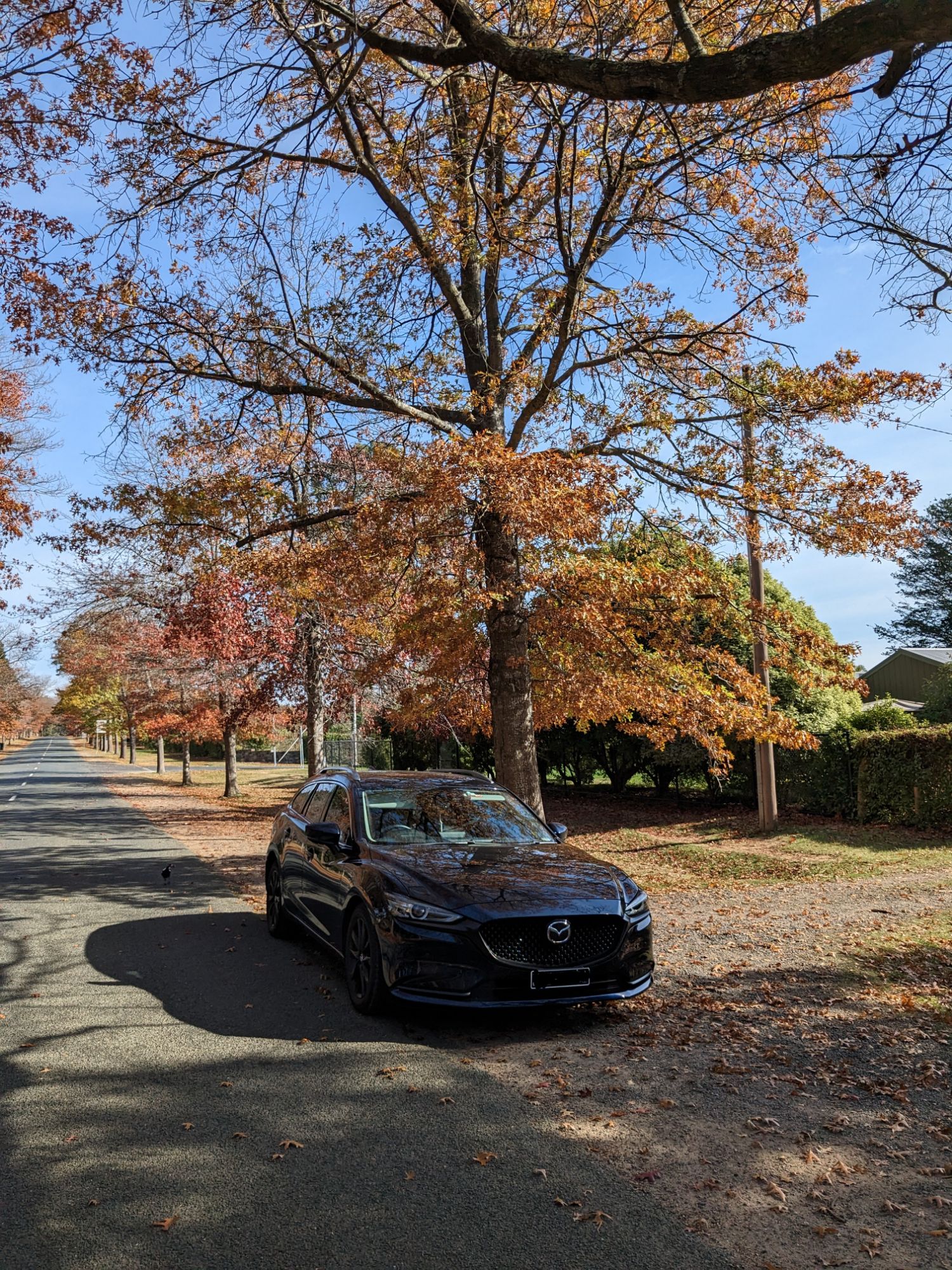
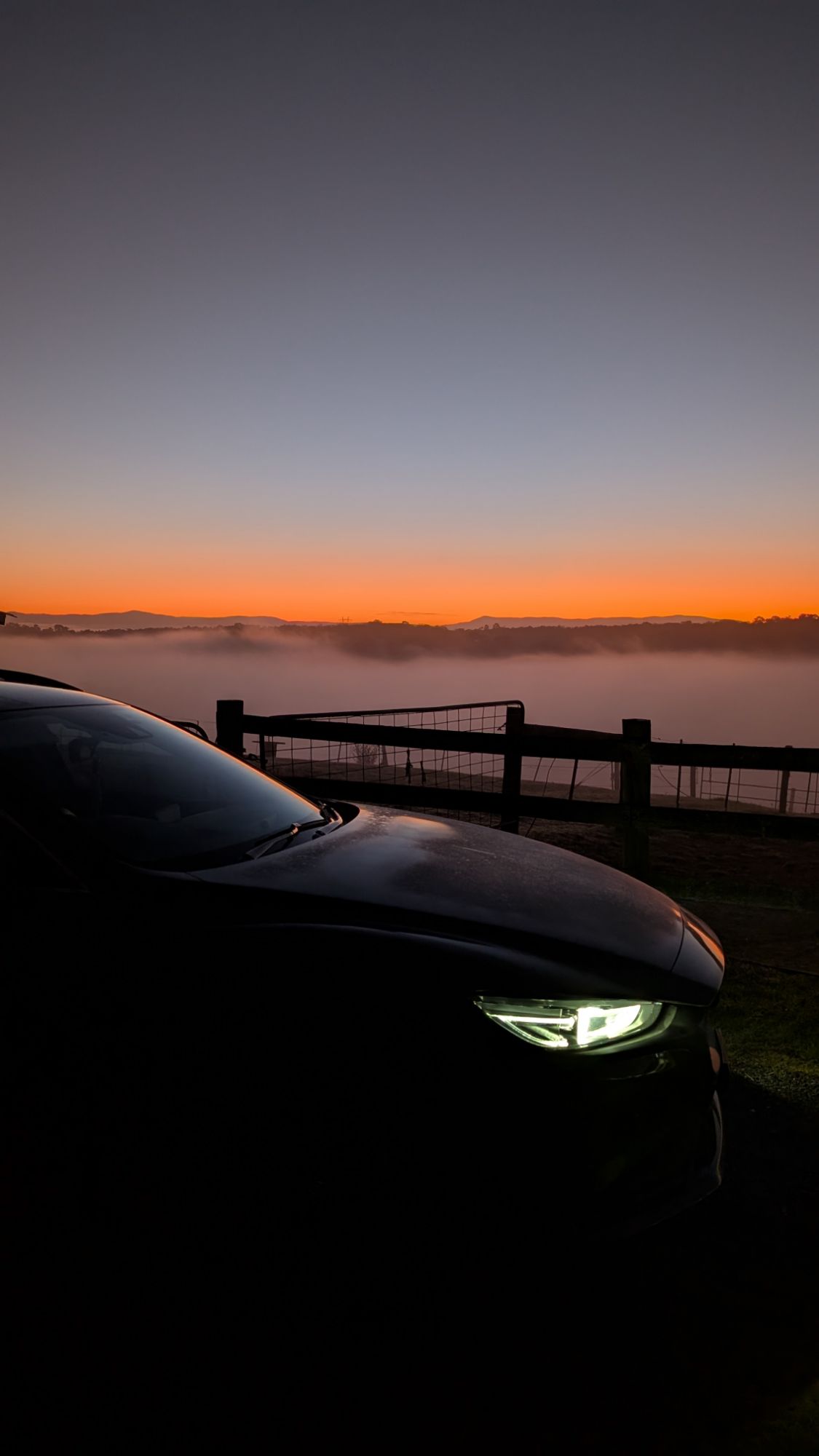
2022 Mazda 6 Wagon
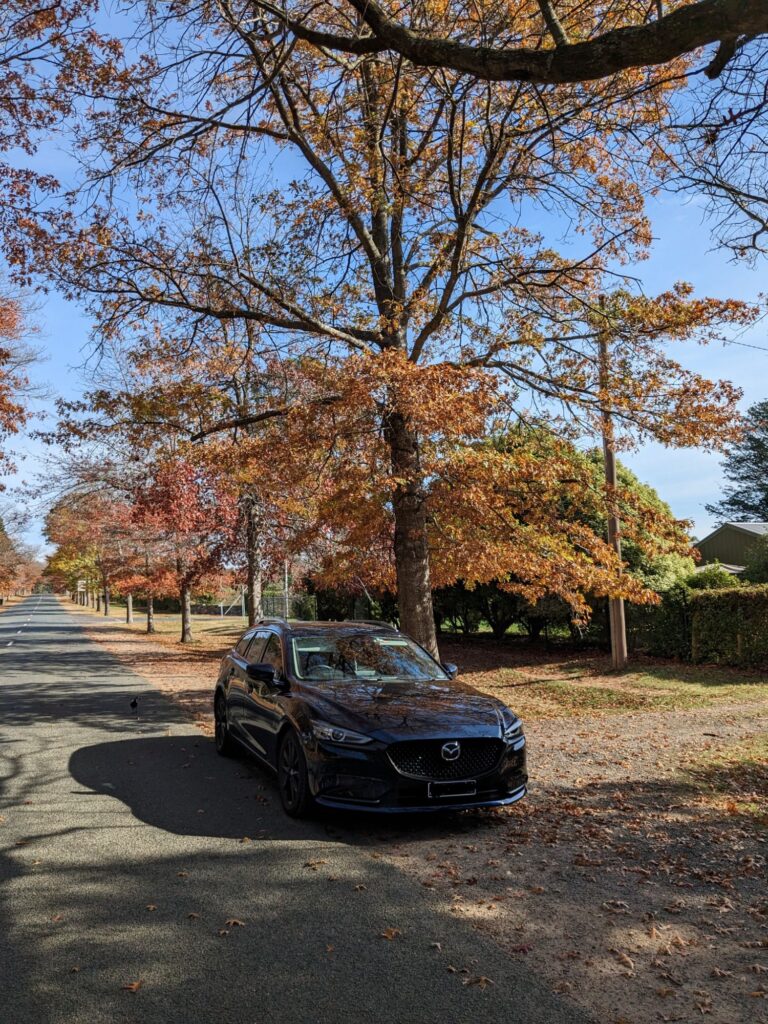
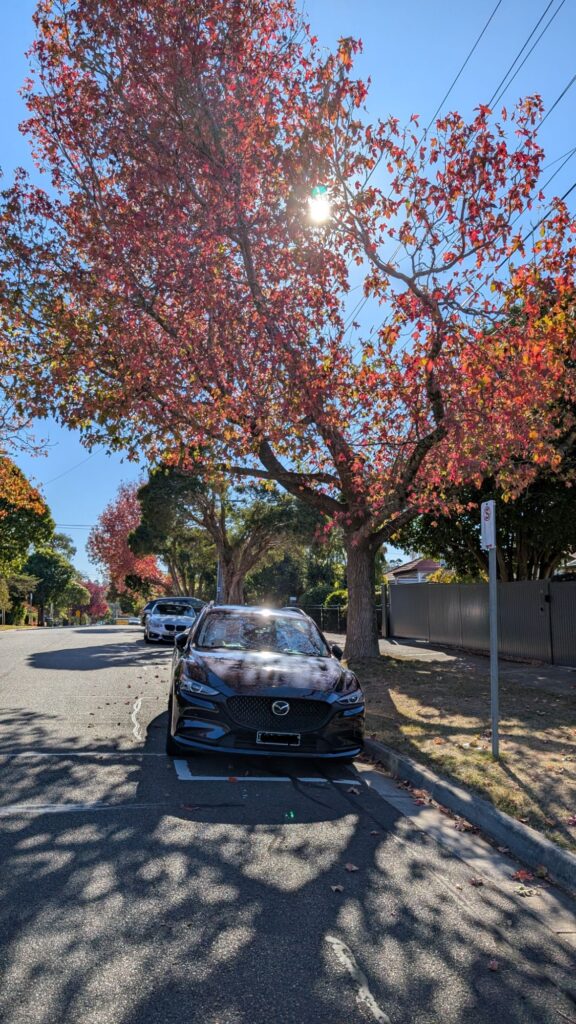
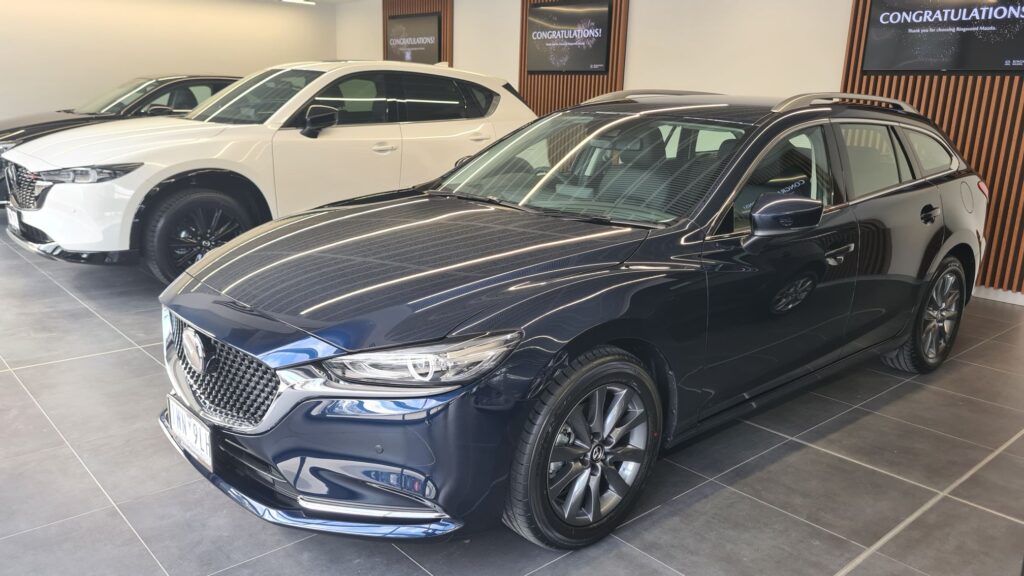
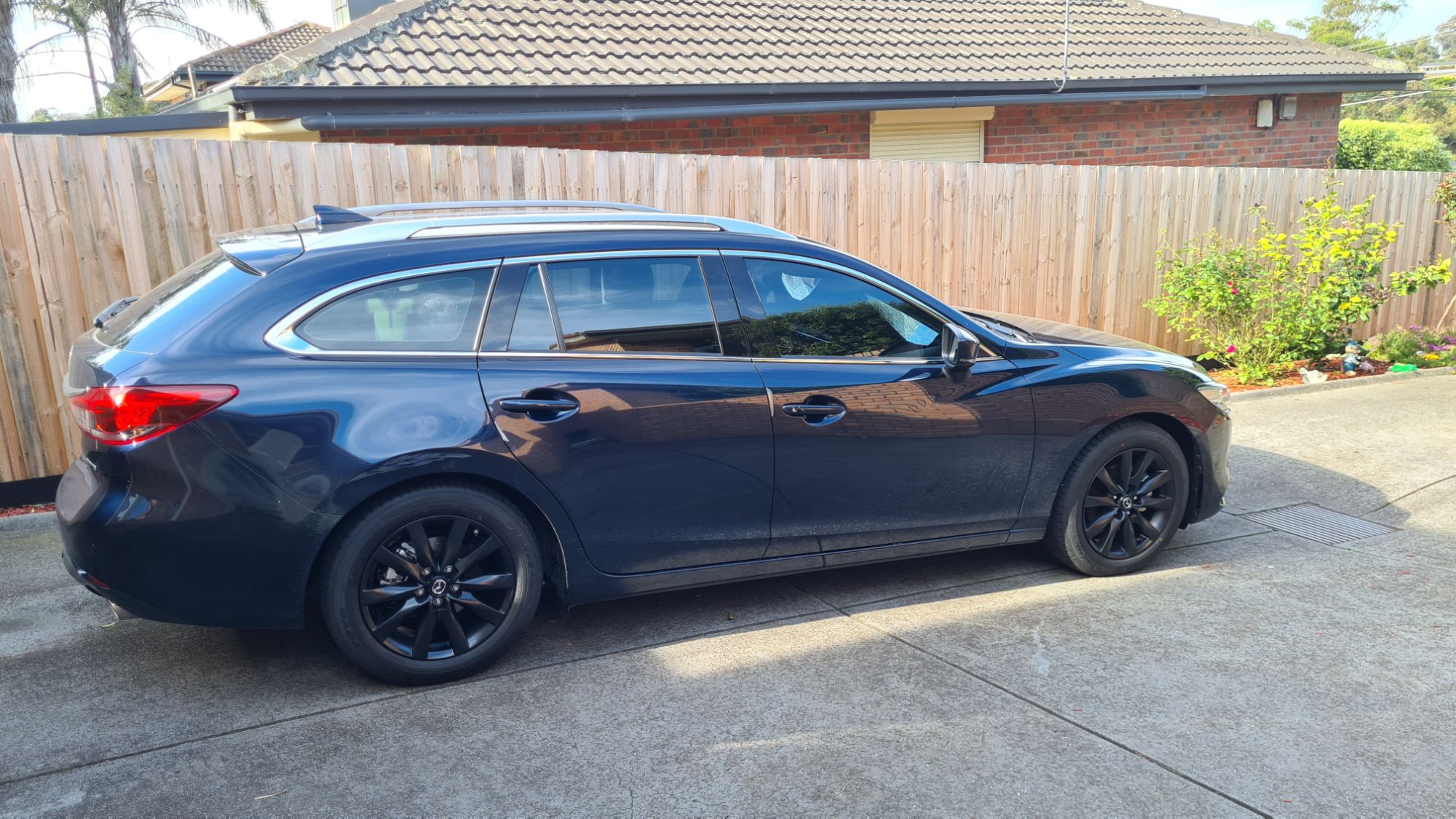
After my old Mazda 6 got wrecked, I really wanted to get another one. I did think about the Mazda 3 with the 2.5L engine, but new ones had a wait time of over three months, and the available colors and options just didn’t suit me — waiting that long wasn’t an option. I checked with a few Mazda dealers, and only one had a Mazda 6 that met my requirements and could be delivered within three weeks. That’s the dark blue Mazda 6 I ended up with.
This one’s a higher trim level than my old car — in addition to the same features, it came with leather power seats, a BOSE sound system, daytime running lights, Apple CarPlay, Android Auto, and more. Mechanically, it’s pretty much the same. The new Mazda 6 has cylinder deactivation, but I didn’t notice much difference in fuel consumption.
Still, I think I prefer the old 6 more.
- Model: GL
- Engine: 2,488cc inline-4 naturally aspirated Skyactiv-G
- Power: 187 hp (140 kW) @ 6,000 rpm
- Torque: 252 Nm @ 4,000 rpm
- Transmission: 6-speed automatic with manual +/- and Sport mode
- Dimensions:
- Length: 4,865 mm
- Width: 1,840 mm
- Height: 1,480 mm
- Curb Weight: 1,627 kg
- Drivetrain: Front-wheel drive (FWD)

Wife’s car
click for more
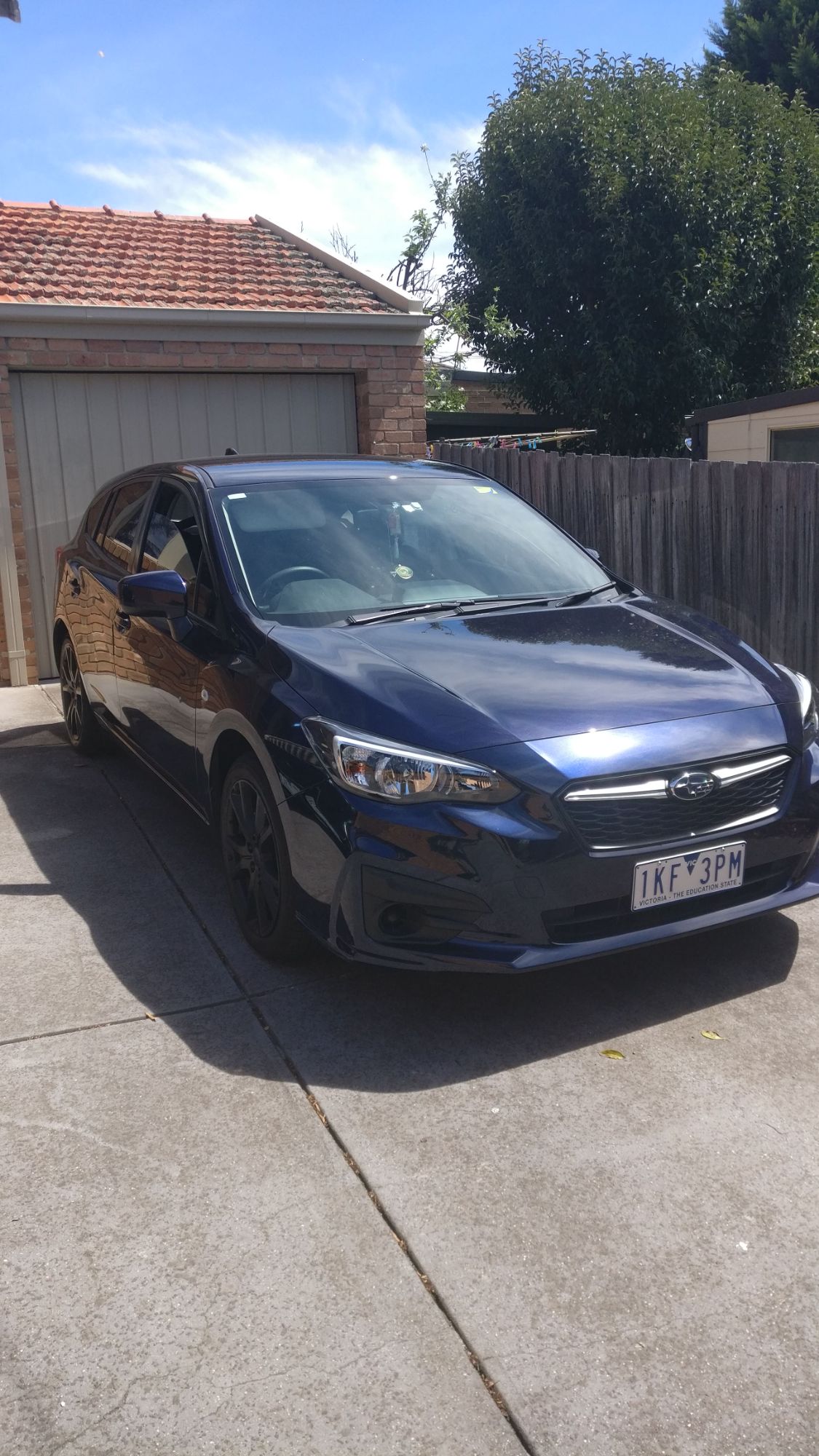
2017 Subaru Impreza 2.0 L
In Australia, it’s completely normal for a family to have two or three cars.小型hatchback 車種選擇不多:
Small Hatchback choices are limited:
- Don’t want to end up in a Mazda showroom.
- Toyota’s styling is too awkward.
- Concerned about Mitsubishi’s durability.
- Honda Civic styling is even worse.
- Won’t buy VW again.
- Not familiar with Ford or Holden (which later completely shut down!).
Subaru is rare in Hong Kong and mostly high-performance models, but in Australia, Subaru is very common and made in Japan. The Impreza is the most affordable entry-level option.
- Model: GT
- Engine: 1988cc inline-4 naturally aspirated, horizontally opposed Boxer engine
- Power: 110 kW (150 PS) @ 6,200 rpm
- Torque: 196 Nm @ 4,200 rpm
- Transmission: Lineartronic CVT (continuously variable transmission) with +/- manual mode
- Dimensions: Length 4,460 mm, Width 1,775 mm, Height 1,445 mm
- Curb weight: 1,386 kg
- Drivetrain: AWD (all-wheel drive), full-time four-wheel drive
This Impreza is mainly used by my wife for grocery runs and taking the kids to school. It comes with only basic equipment — Bluetooth audio but no navigation system, no automatic headlights, no rain-sensing wipers, no automatic emergency braking, or blind spot assist. The seats are just manual cloth upholstery, of course. The tire pressure monitoring system is probably standard on all Subarus.
The 2.0-liter engine delivers adequate power, but the cabin noise insulation is slightly worse compared to the Mazda6. Considering the price range (around AUD $23,000), there really isn’t much to complain about.
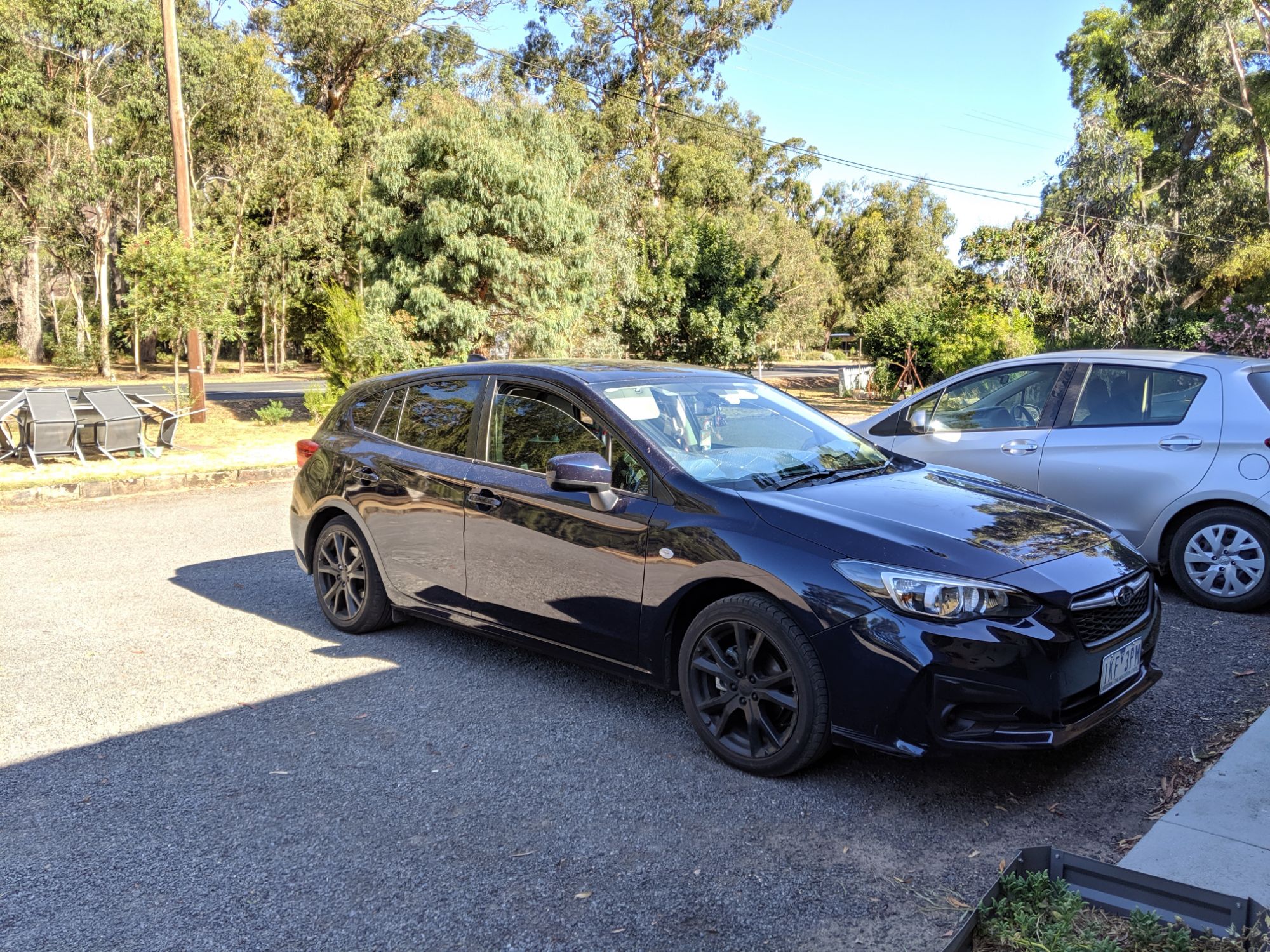

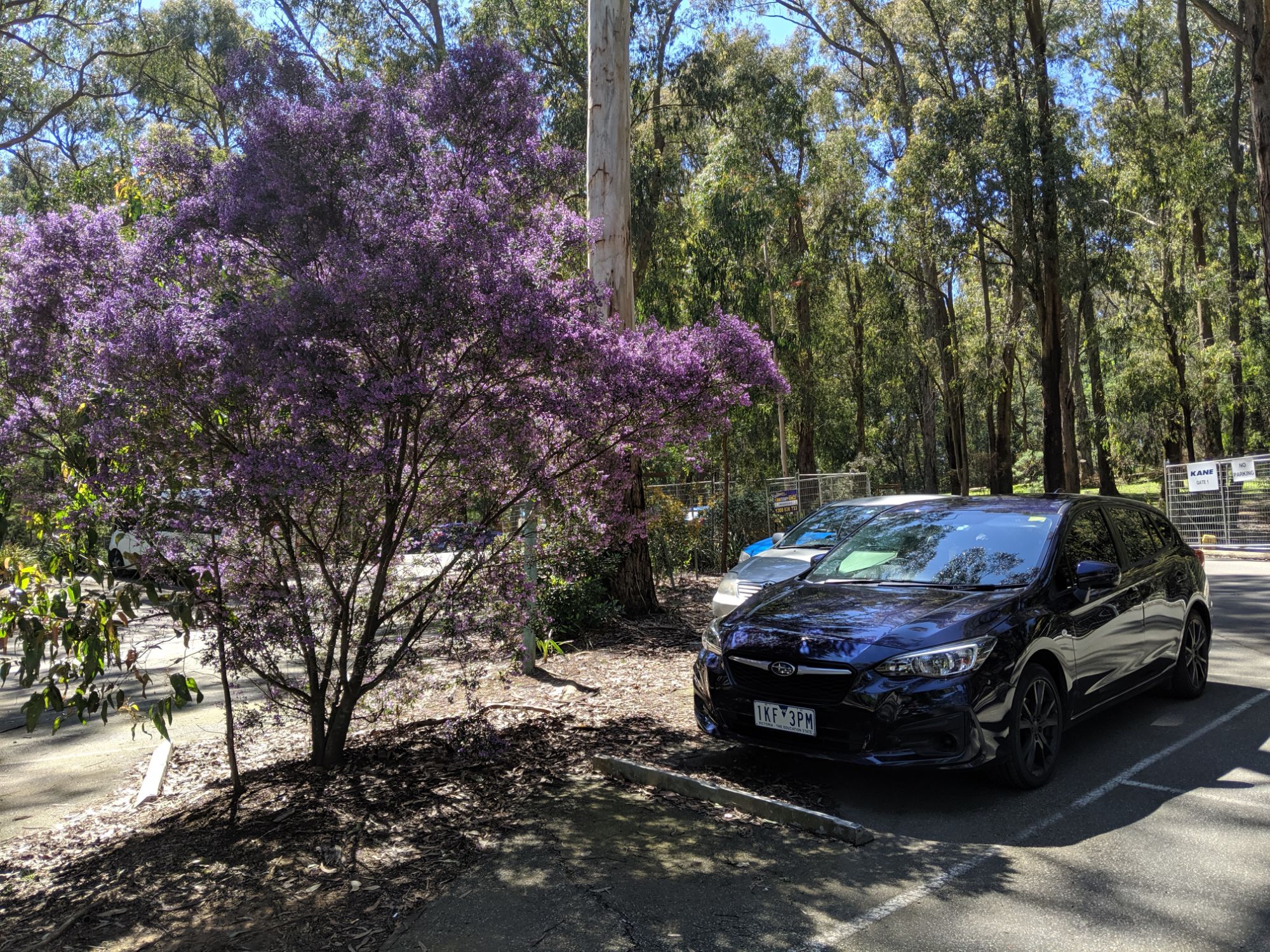
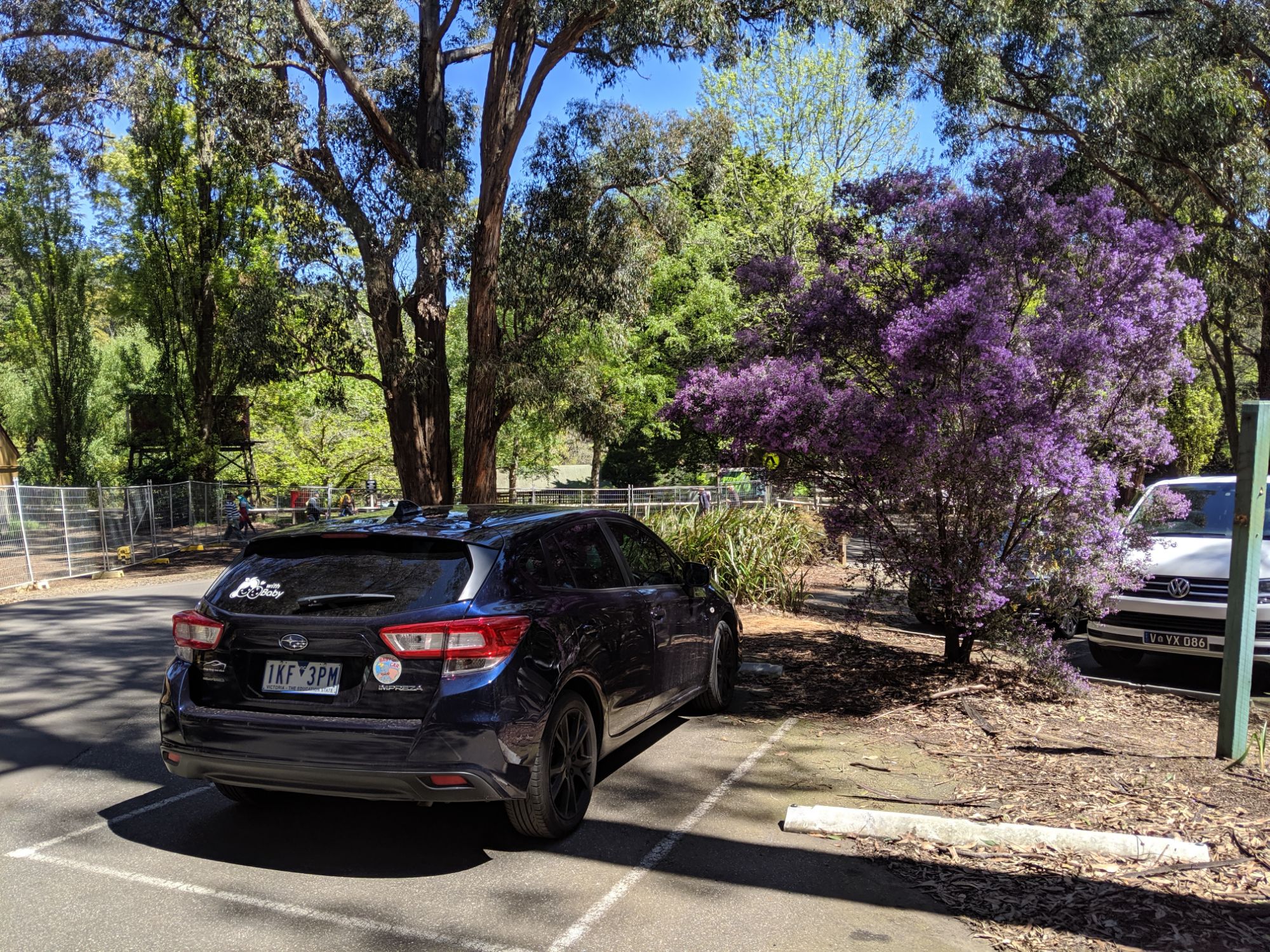

We’ve used this car for about three years and have only driven just over 30,000 kilometers. My wife had a minor traffic accident once and was somewhat dissatisfied with the car, so we decided to replace it.
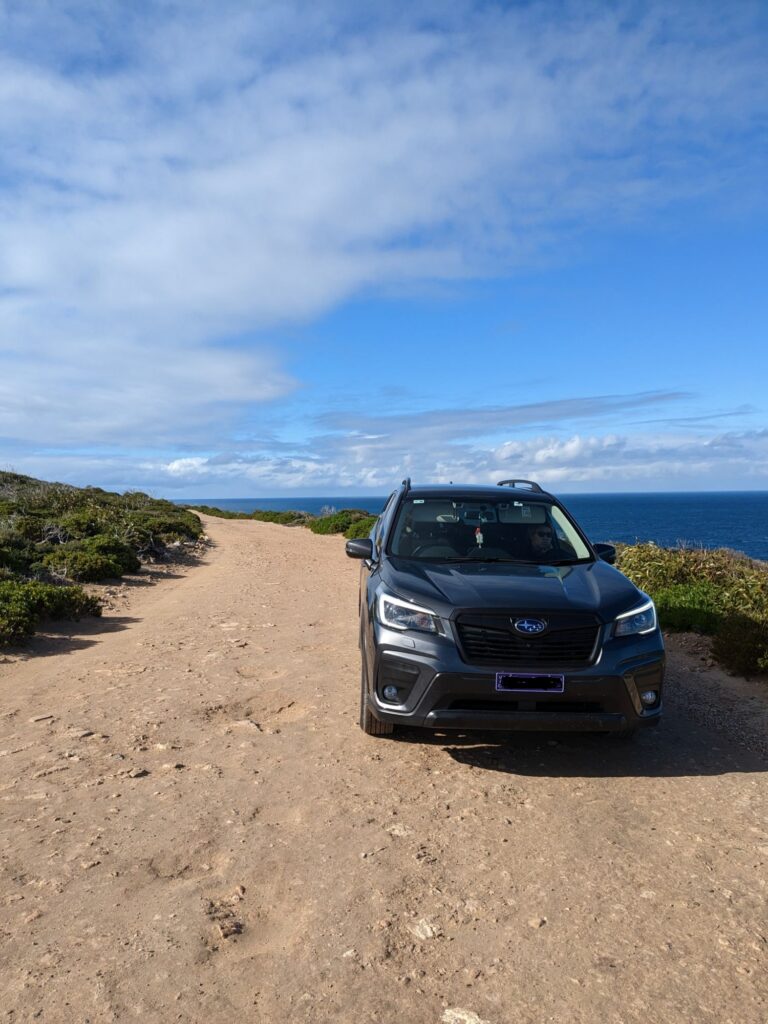
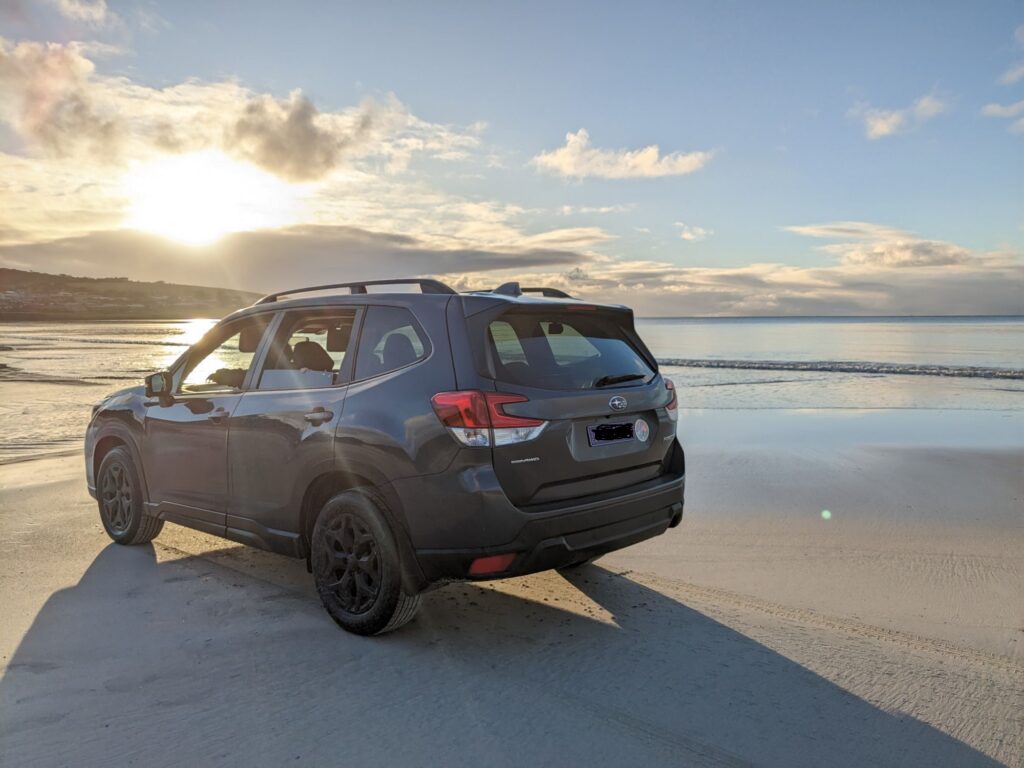
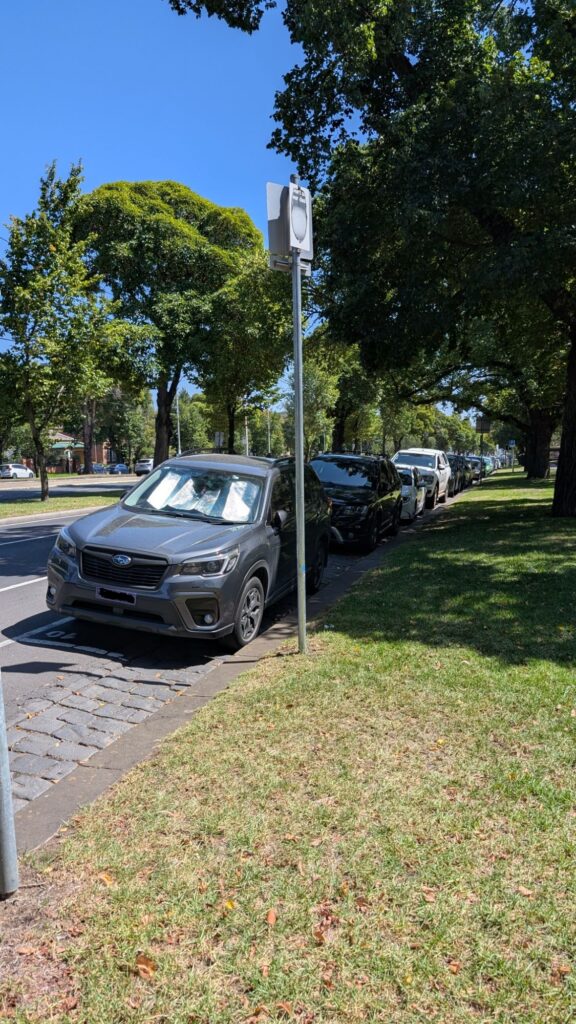
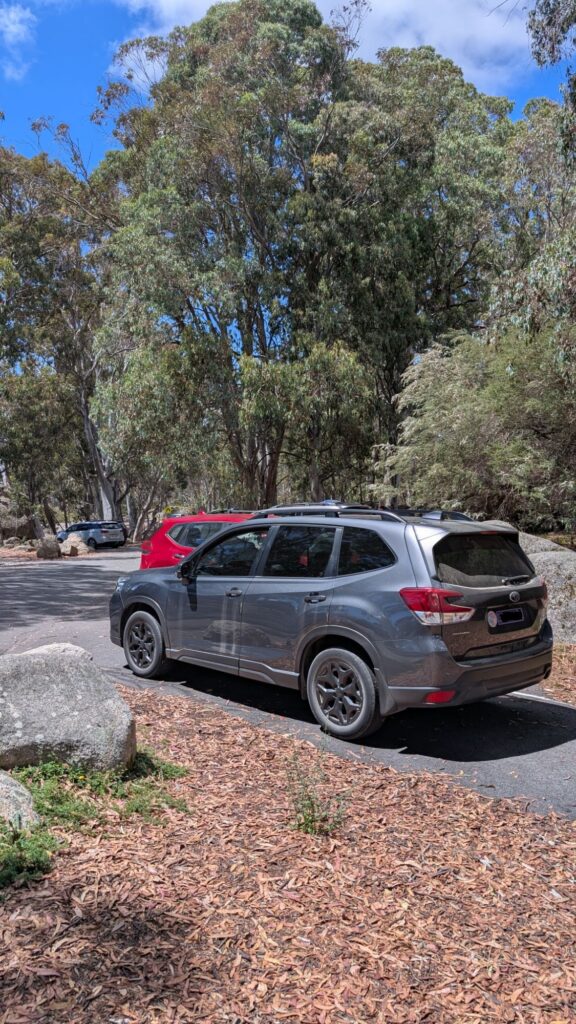
2020 Subaru Forester 2.5i L

- Engine: 2,498 cc inline-4 naturally aspirated, horizontally opposed Boxer engine
- Power: 182 hp (136 kW) at 5,800 rpm
- Torque: 239 Nm at 4,400 rpm
- Transmission: Lineartronic CVT (continuously variable transmission) with +/- manual mode
- Dimensions: Length 4,625 mm, Width 1,815 mm, Height 1,730 mm
- Curb weight: 1,564 kg
- Drivetrain: AWD (all-wheel drive), full-time four-wheel drive
This is the L version, which adds front and left-side monitoring cameras, making parking very convenient compared to the base model.
It still has manual cloth seats, Bluetooth audio, and automatic climate control. Blind spot monitoring, rain-sensing headlights, and automatic high beams are all standard features.
Being a tall SUV, the rear seats are very spacious. I find the body a bit too tall, but the handling is not bad at all. With full-time AWD and 220mm ground clearance, there’s no worry even on dirt roads, gravel, or light off-roading — perfect for road trips.
Since we bought it, we’ve been driving this Forester on all our road trips. Most of the time, it’s used by my wife for grocery runs and taking the kids to school. She’s very satisfied with the car.