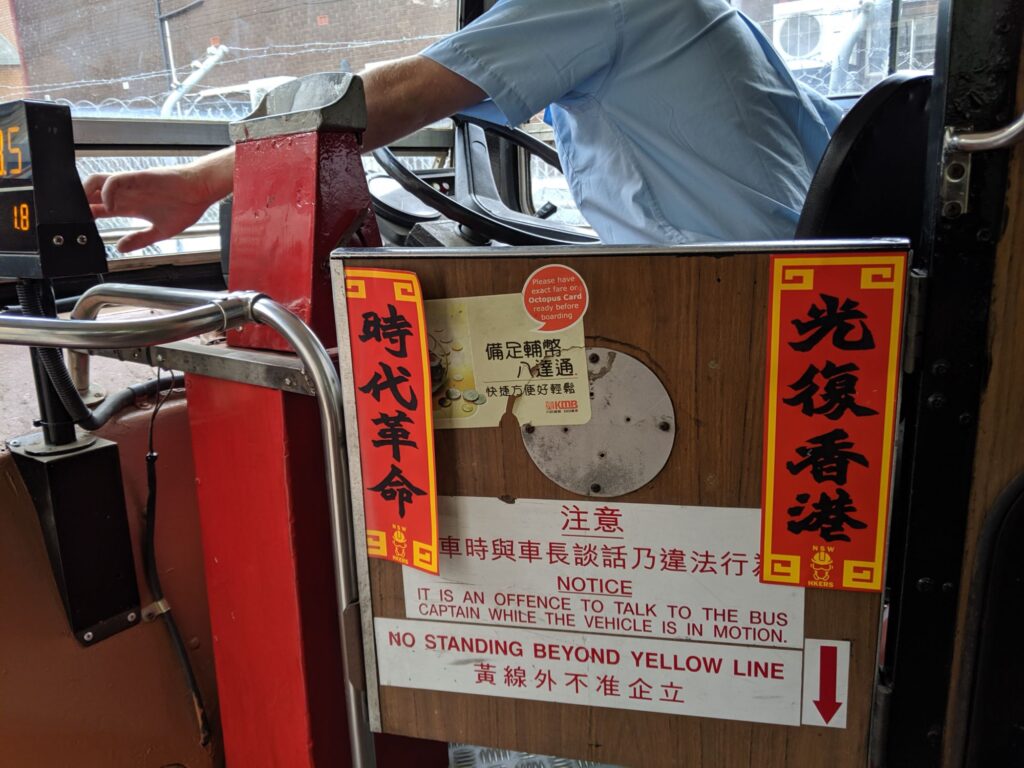
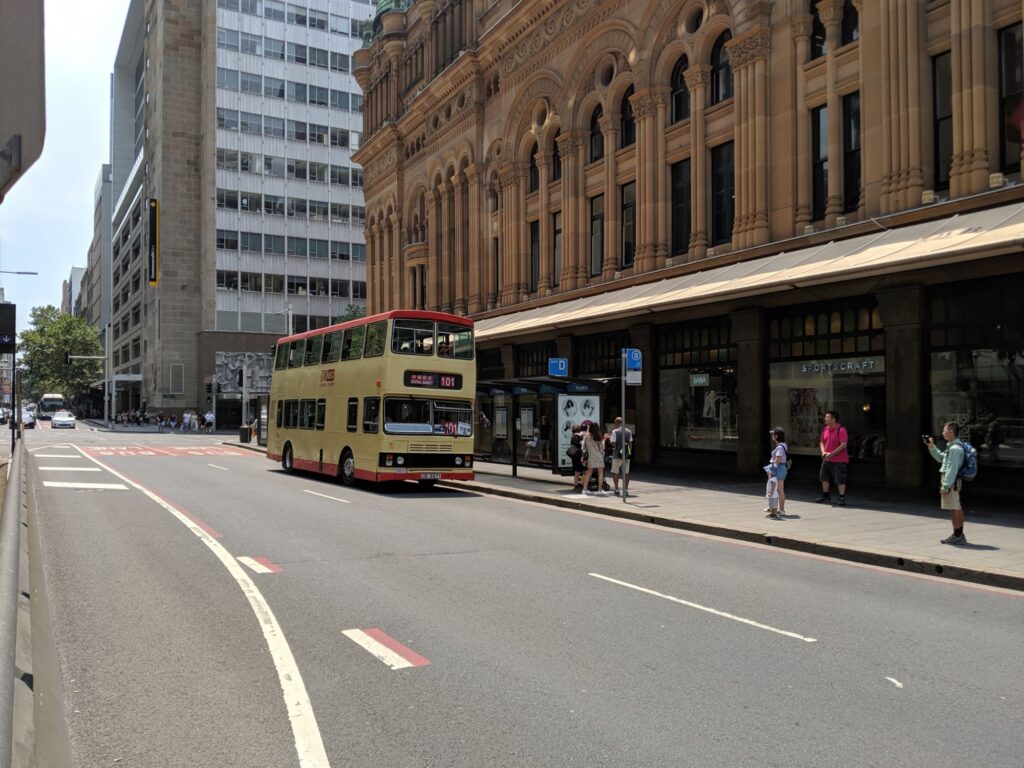
Every Lunar New Year, the Sydney Bus Museum in Australia rolls out its vintage Hong Kong buses for special celebratory runs. I actually visited once before, back in Lunar New Year 2020. Originally, we planned to go again in 2025 and take our young son along for a ride on one of those classic double-deckers. But I wasn’t feeling well at the time, so we had to postpone it to this year. Since we’re going anyway, we figured we’d also take the chance to revisit some of Sydney’s famous landmarks as a family.We actually visited Sydney once before in 2018. Back then, we went to places like the Blue Mountains and the Sydney Opera House, but somehow missed Taronga Zoo. So this time, we’re planning to finally check it out as part of our trip.
This time, we’re driving again. From Melbourne to Sydney, we take the M31 Hume Freeway — it’s about 900km in total, and with a few rest stops along the way, the journey usually takes around 9–10 hours.
The whole route is a proper dual carriageway with two lanes each way, so there’s no oncoming traffic to worry about. Speed limits sit around 100–110 km/h, making it a pretty straightforward highway drive.
I still remember the last trip — we had two cars and three drivers (including a friend visiting from Hong Kong), taking turns behind the wheel. Even then, it felt like a long and somewhat boring drive.
This time, though, it feels much easier. Maybe I’ve just gotten used to long-distance driving. Plus, our daughter now has her learner’s permit, so she can share some of the driving too. With three of us rotating in one car, the whole trip feels a lot more relaxed.
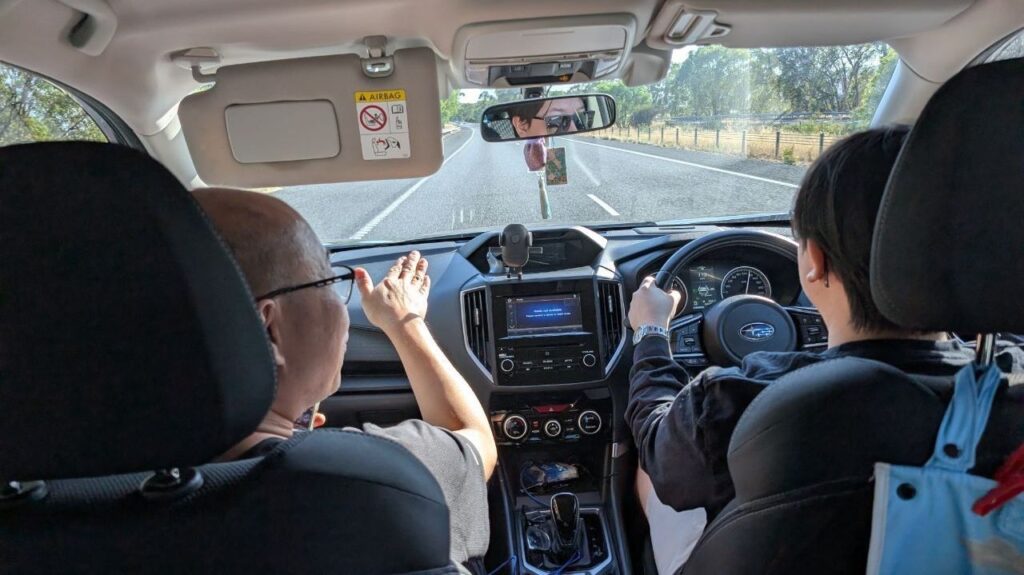
I only drove for about 3–4 hours this time — mainly getting out of Melbourne onto the Hume Freeway, and then again near Sydney and within the city itself. The rest of the trip was mostly handled by my daughter. My wife chipped in for just over an hour as well.
Before we knew it, we had arrived in Sydney. And the first thing everyone said was:
“So many people, so many cars — it feels just like Hong Kong!”
Even though we had been to Sydney eight years ago, we already felt back then that it was much more crowded than Melbourne — more people, more cars, denser housing, and lots of apartment blocks everywhere.
This time, that feeling was even stronger.
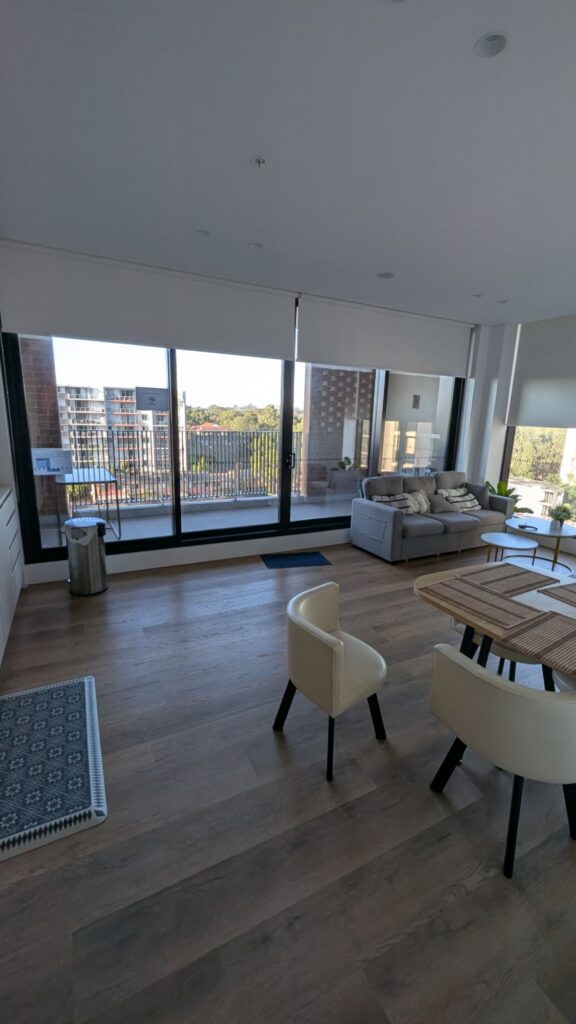
We stayed in a 28-storey apartment Airbnb in Merrylands, which is in the western suburbs. It takes about an hour by train to get to the CBD. Walking around the area, you don’t really see many “white” Australians — most people seem to be from Middle Eastern backgrounds, with plenty of Kurdish and Muslim families, and many women wearing hijabs.
But honestly, it didn’t bother us much since we were only staying a few days.
That said… later on, we were actually quite glad about that.
Sydney Bus Museum
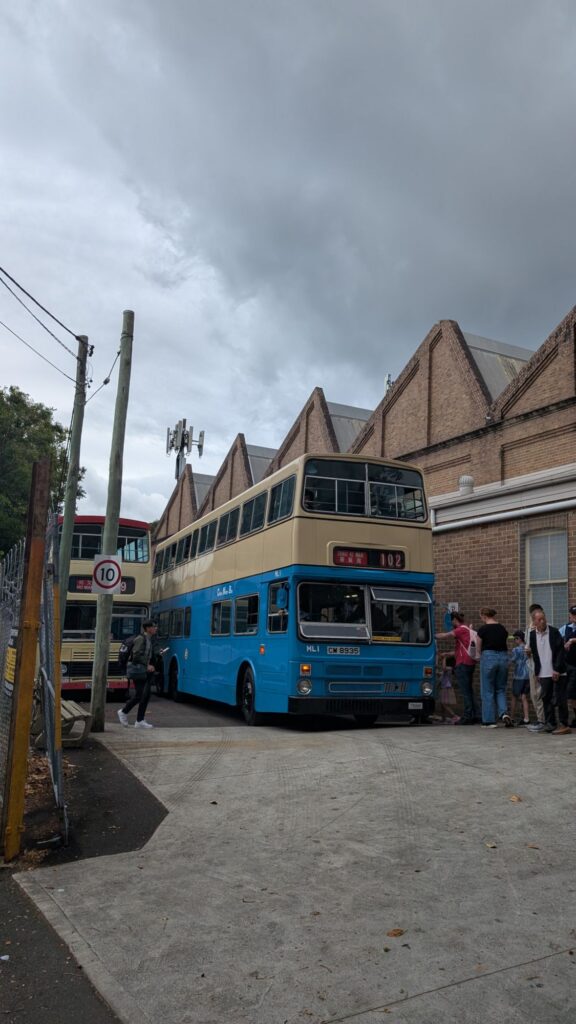
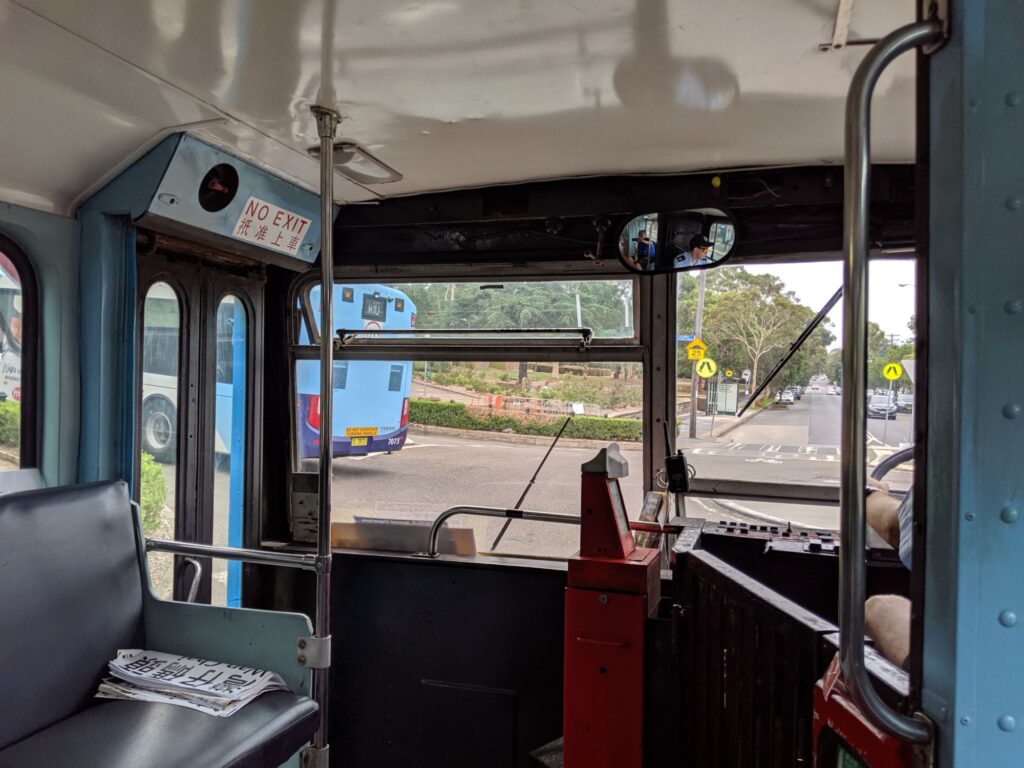
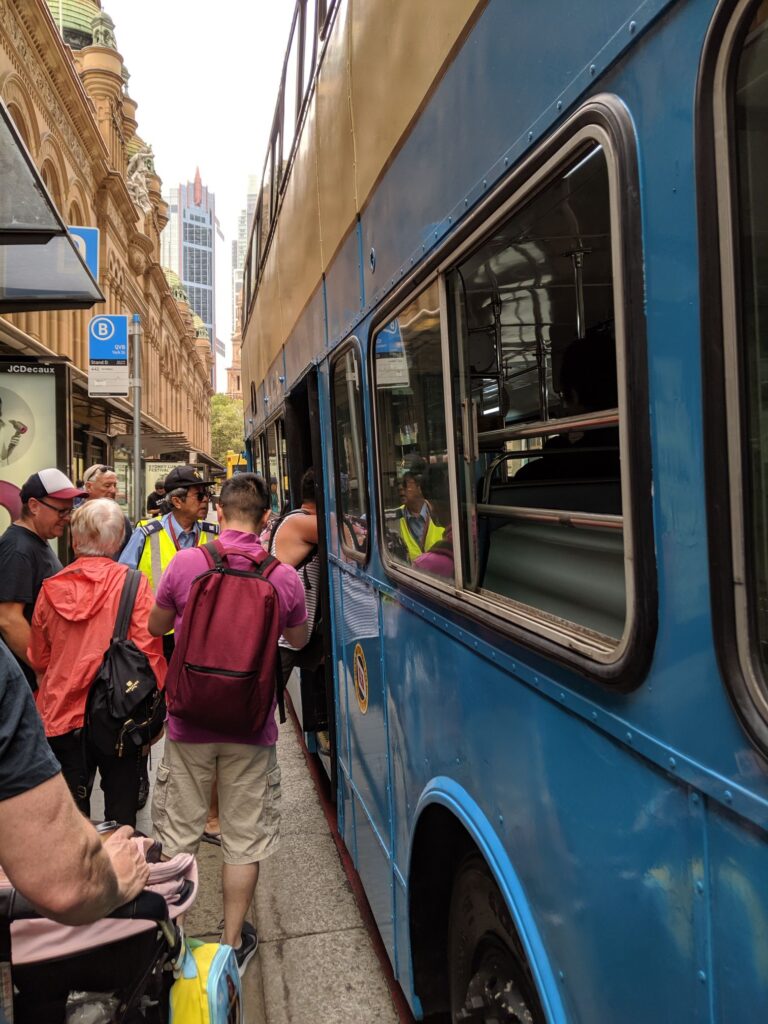
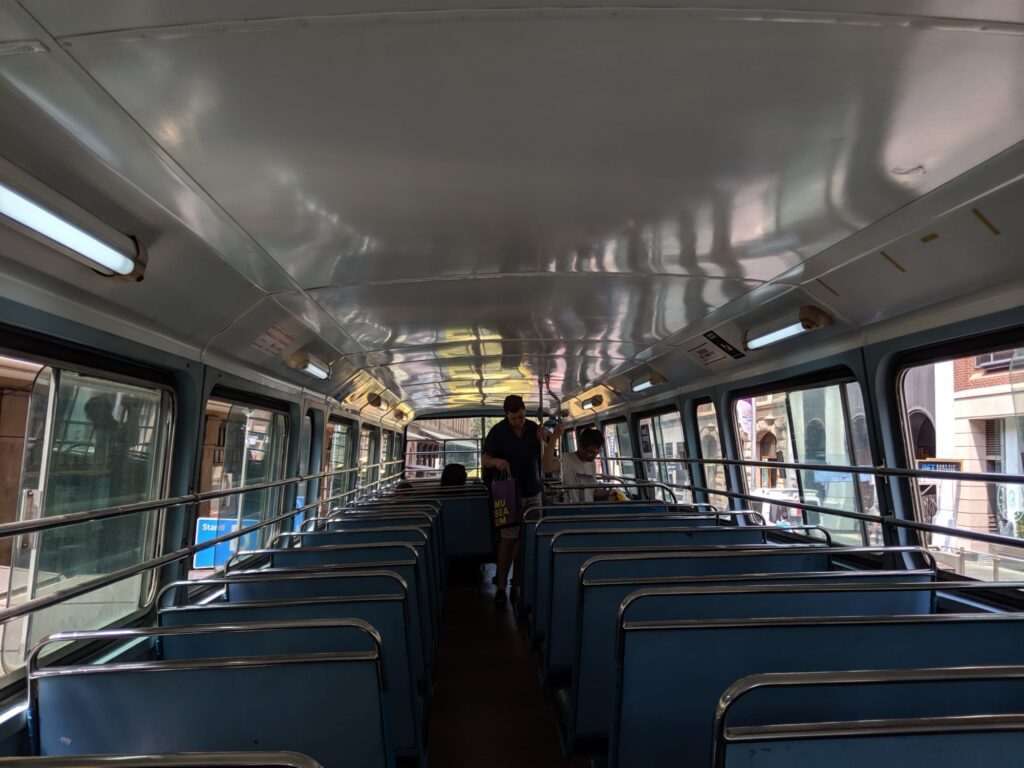
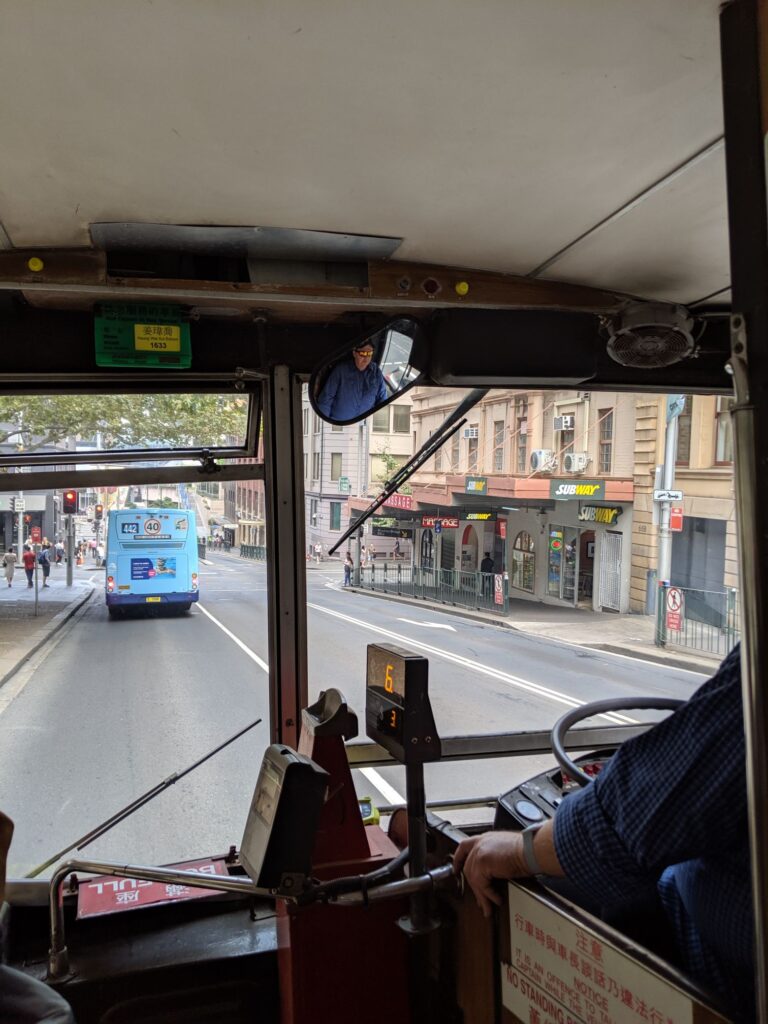
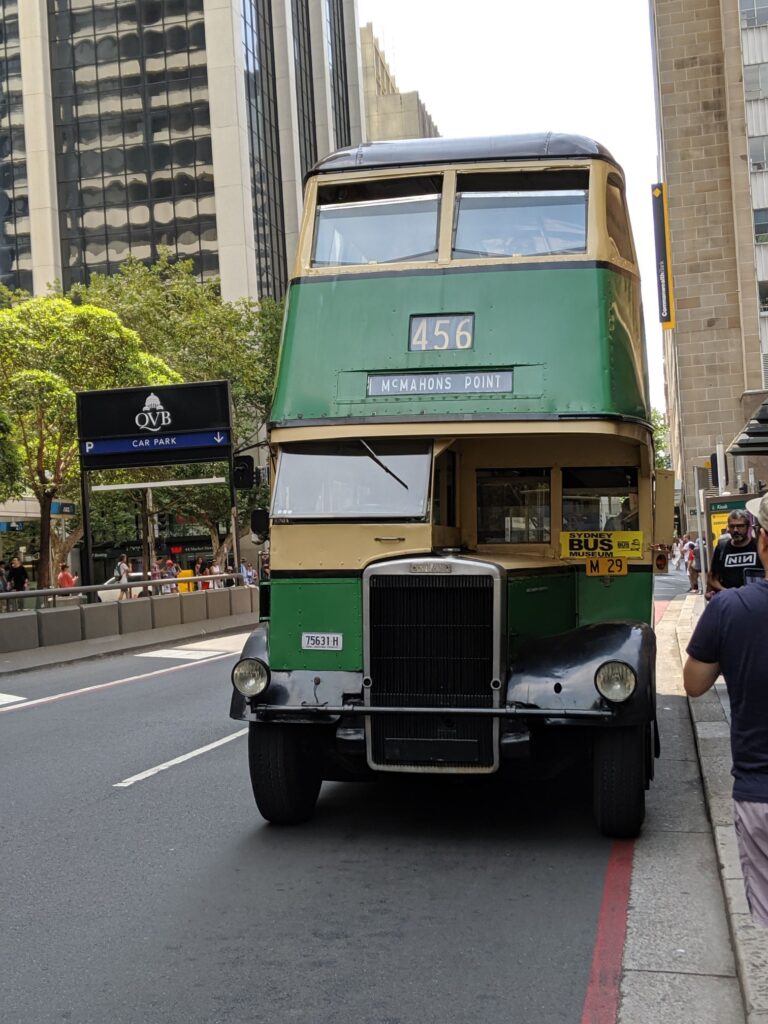
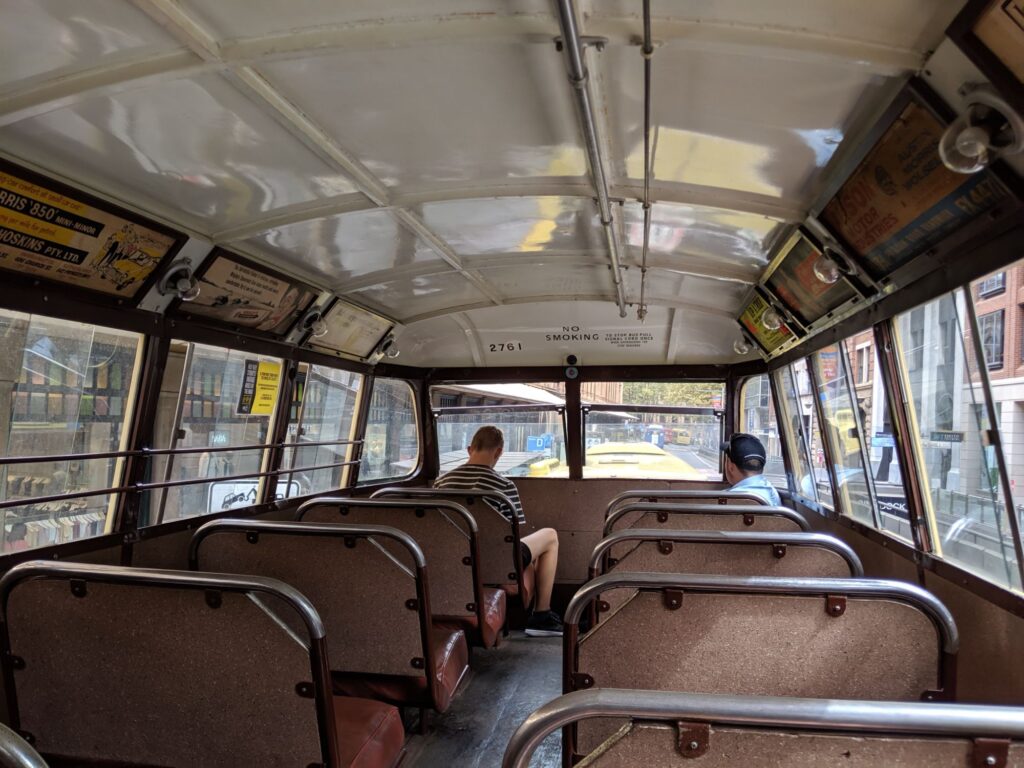
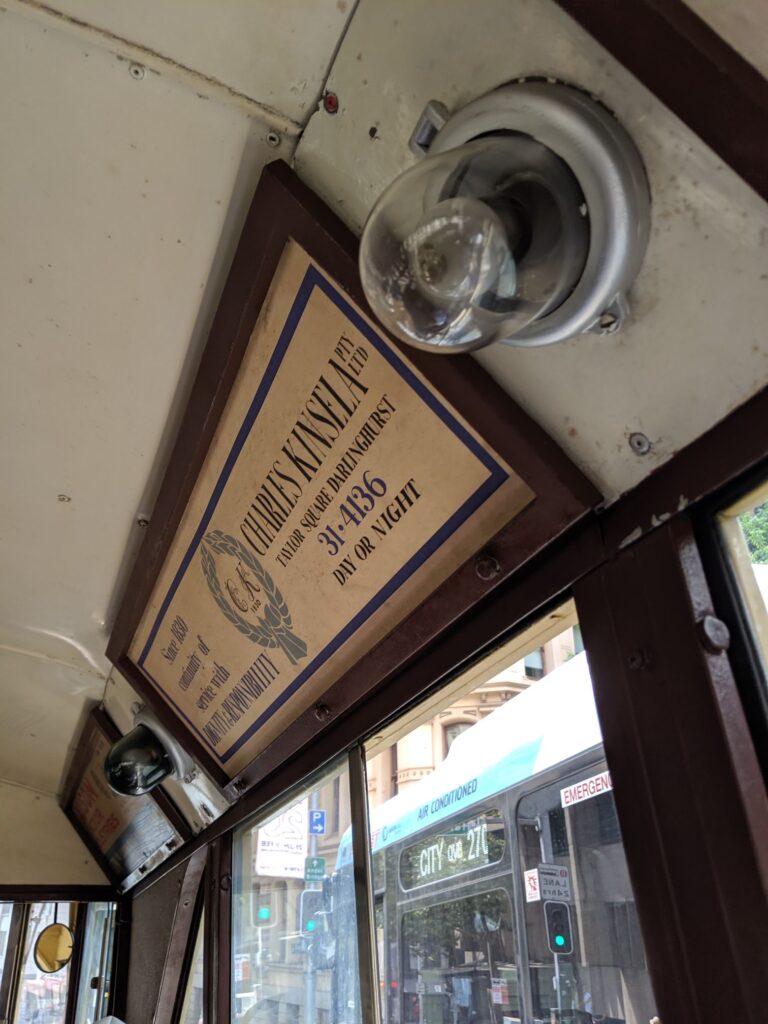
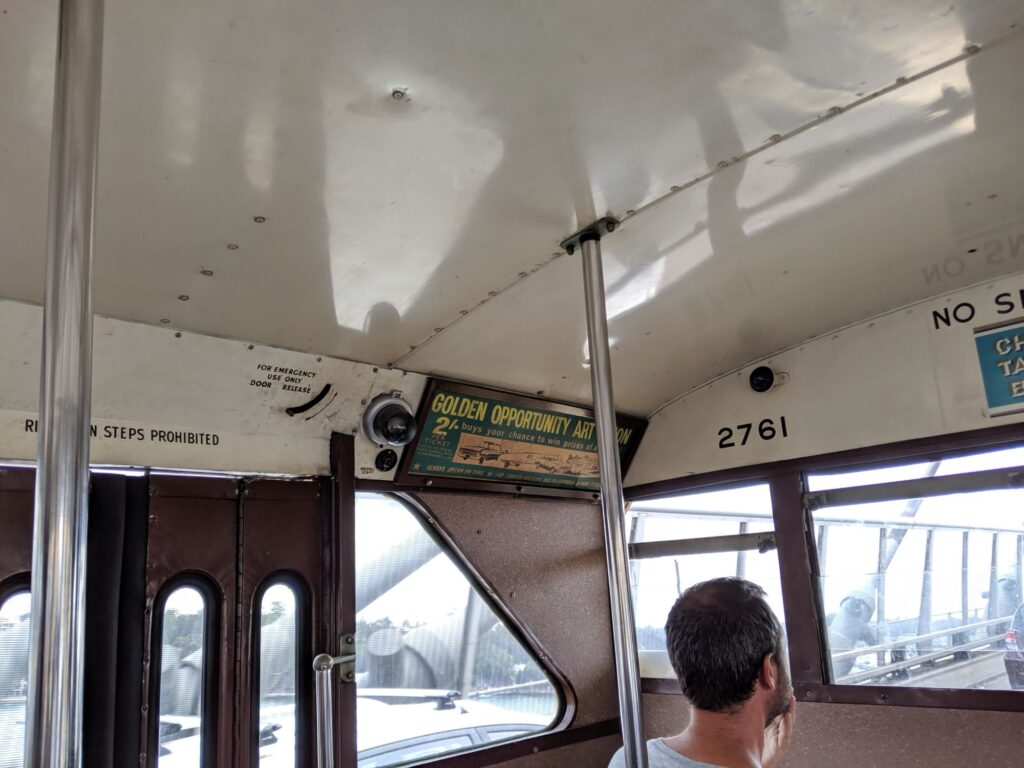
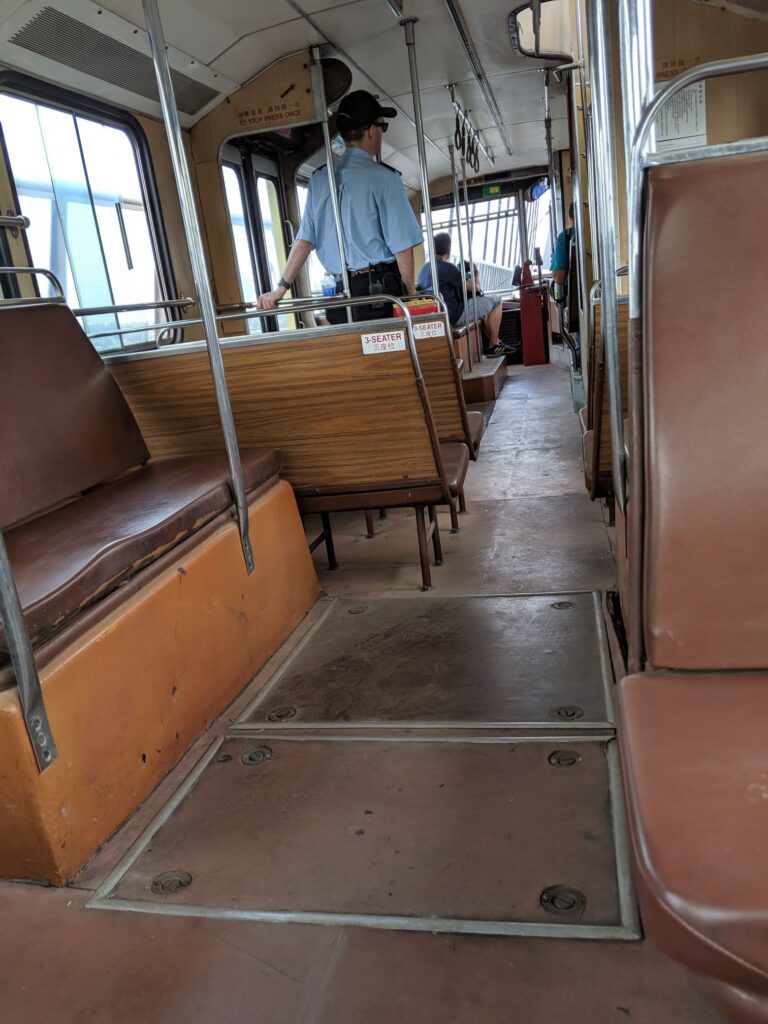
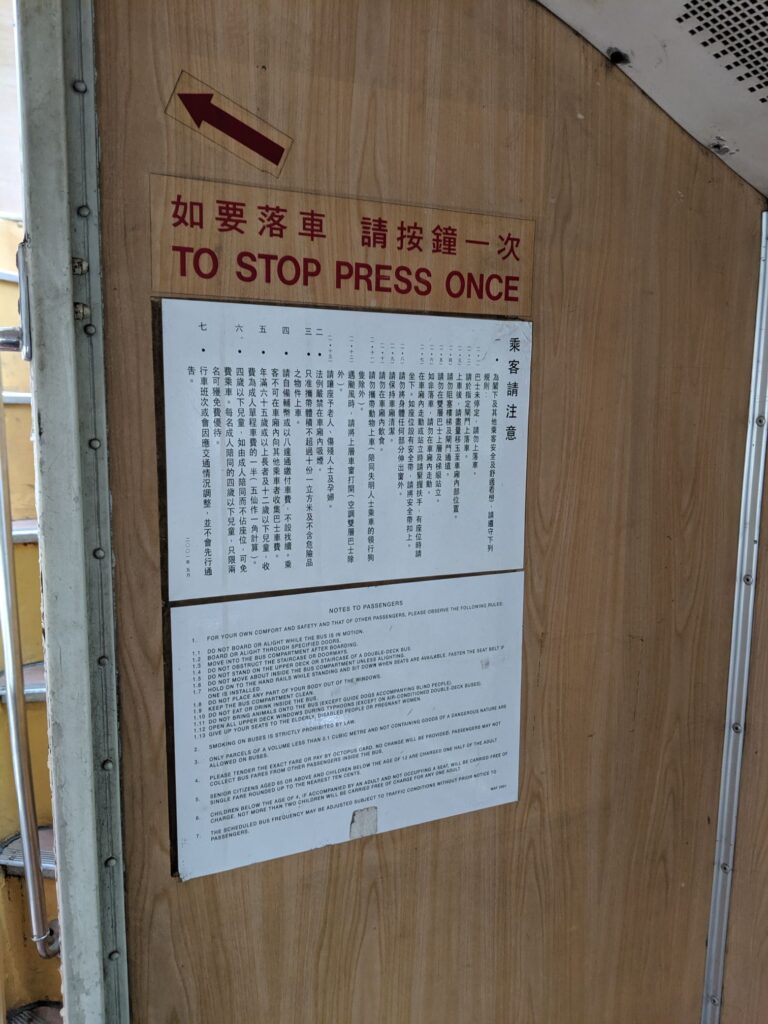
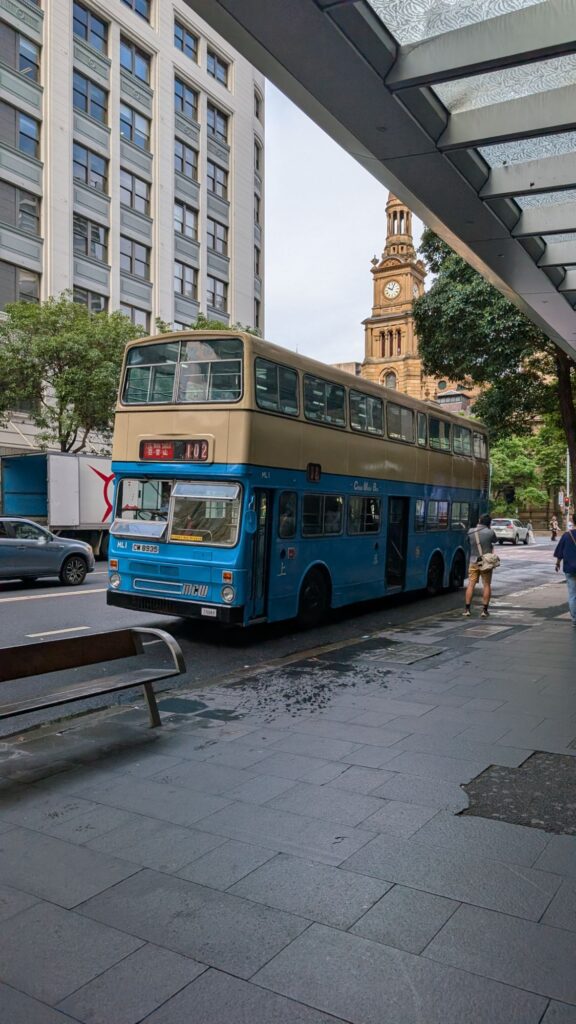
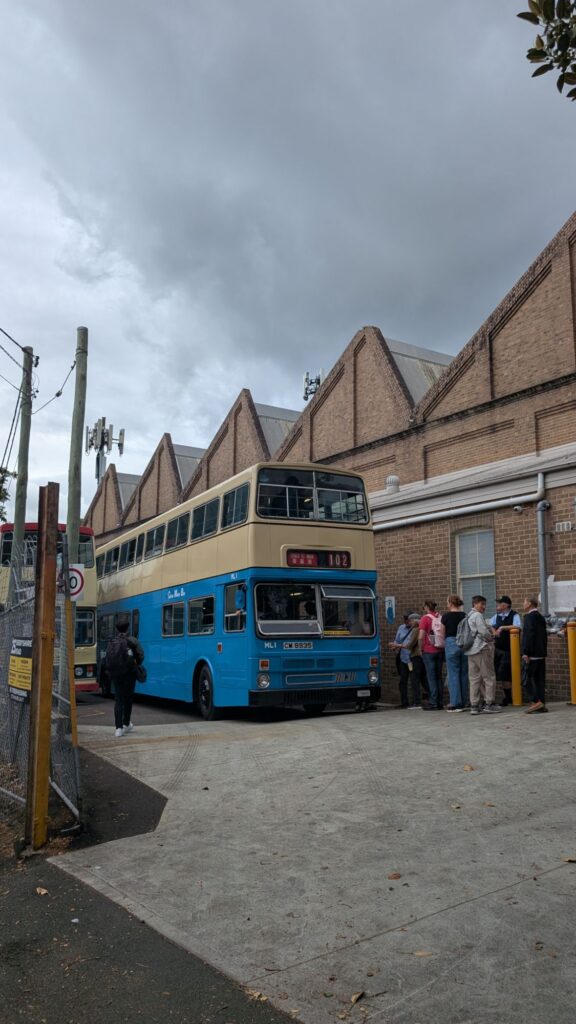
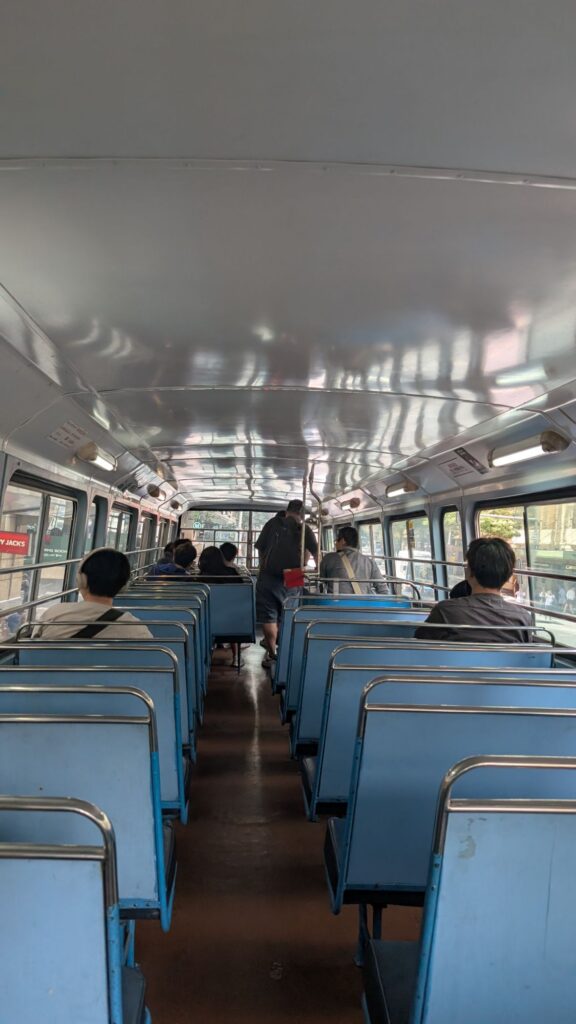
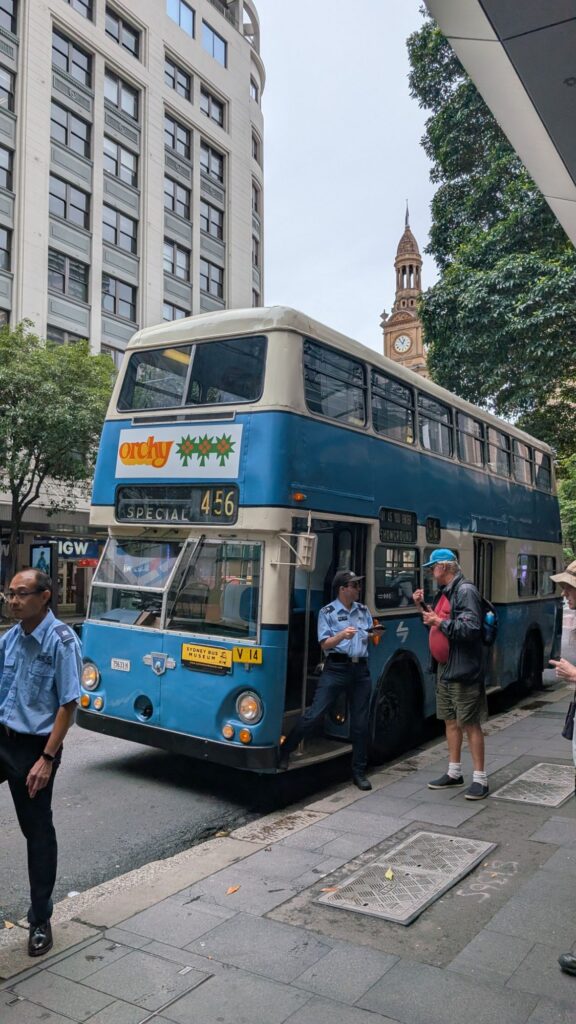
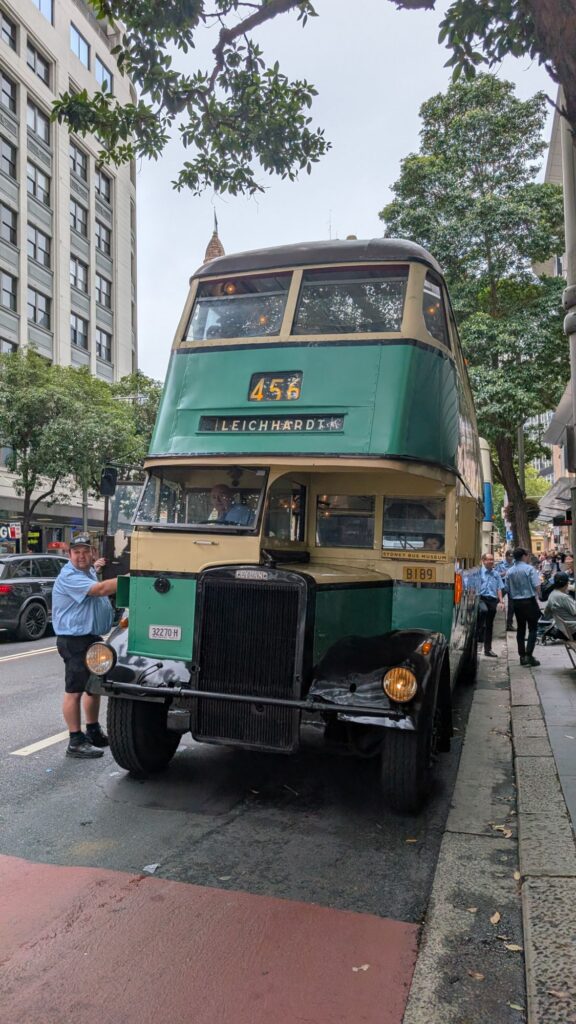
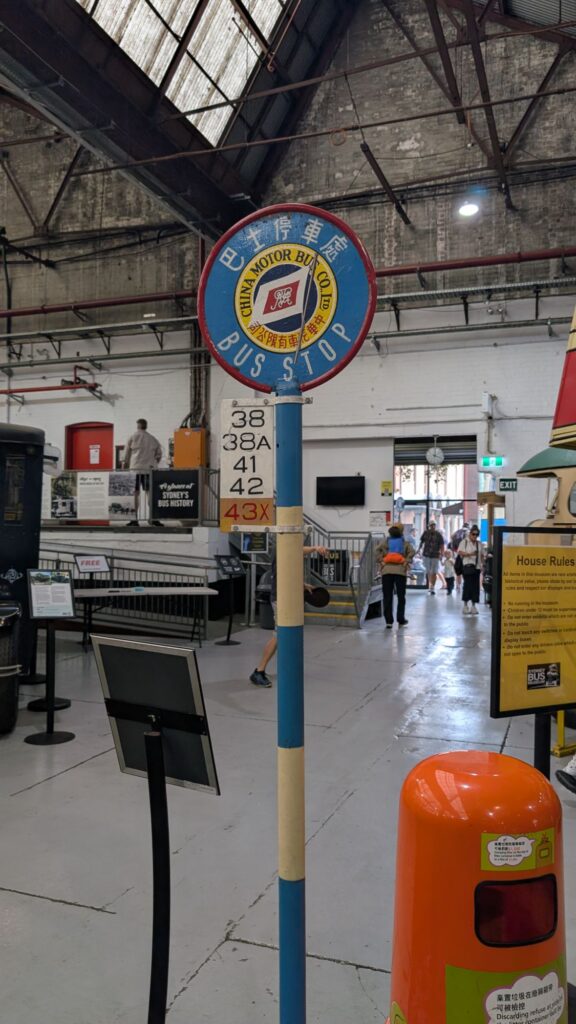
After a good night’s rest, we headed into the CBD the next day. The Hong Kong Bus Day route runs from the museum in Leichhardt, across Anzac Bridge, and back and forth to Town Hall on Park Street. So we took the train to Town Hall first, then hopped on one of the vintage buses to the museum.
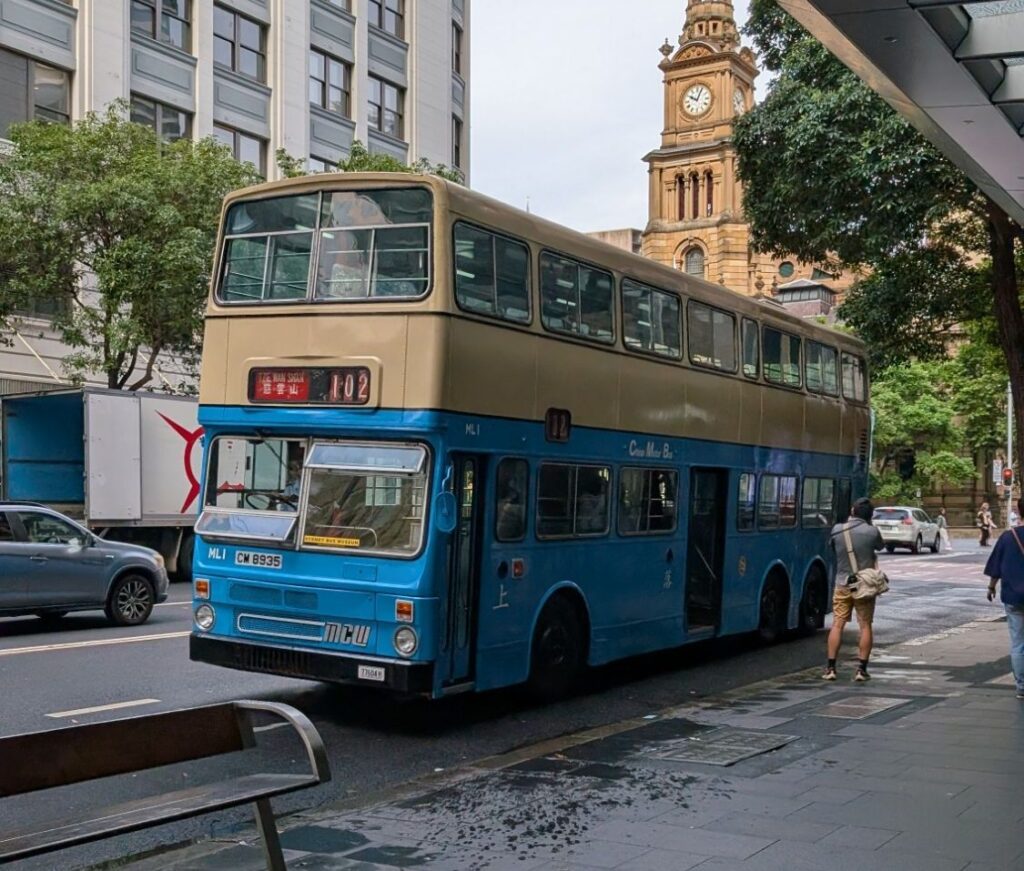
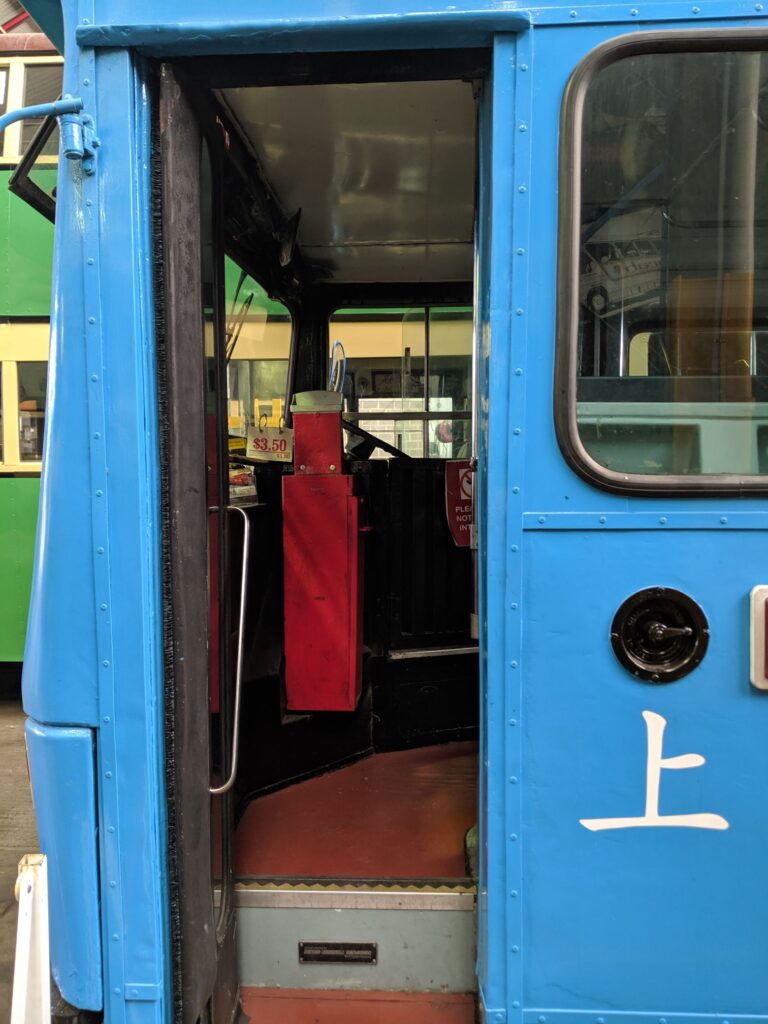
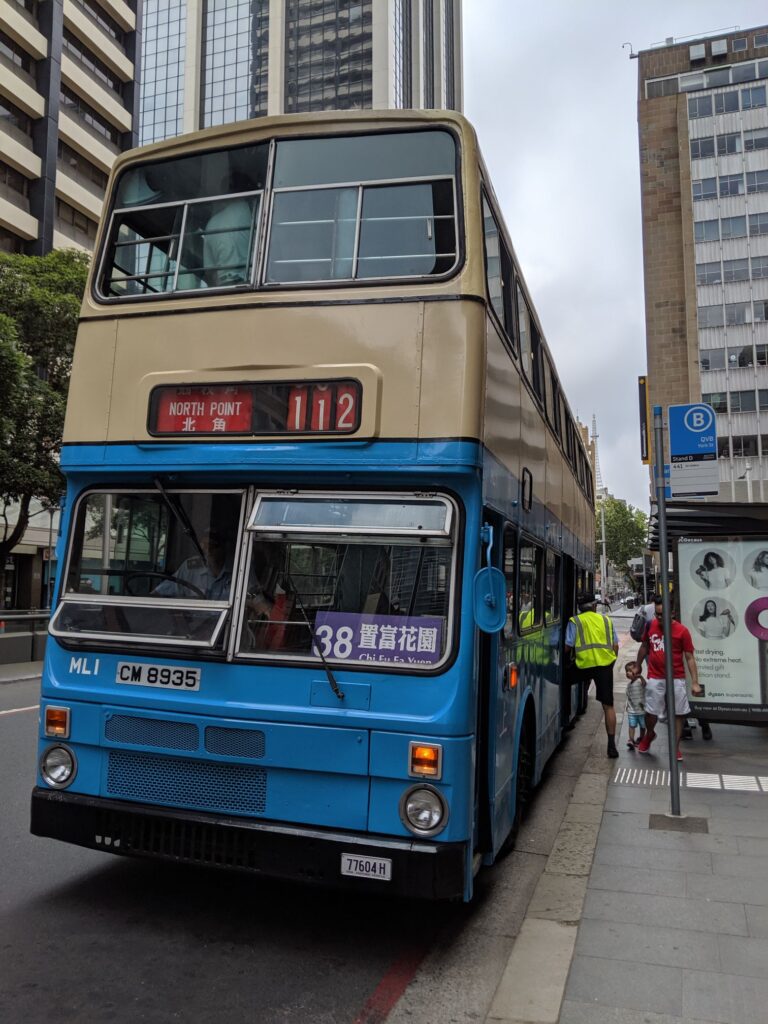
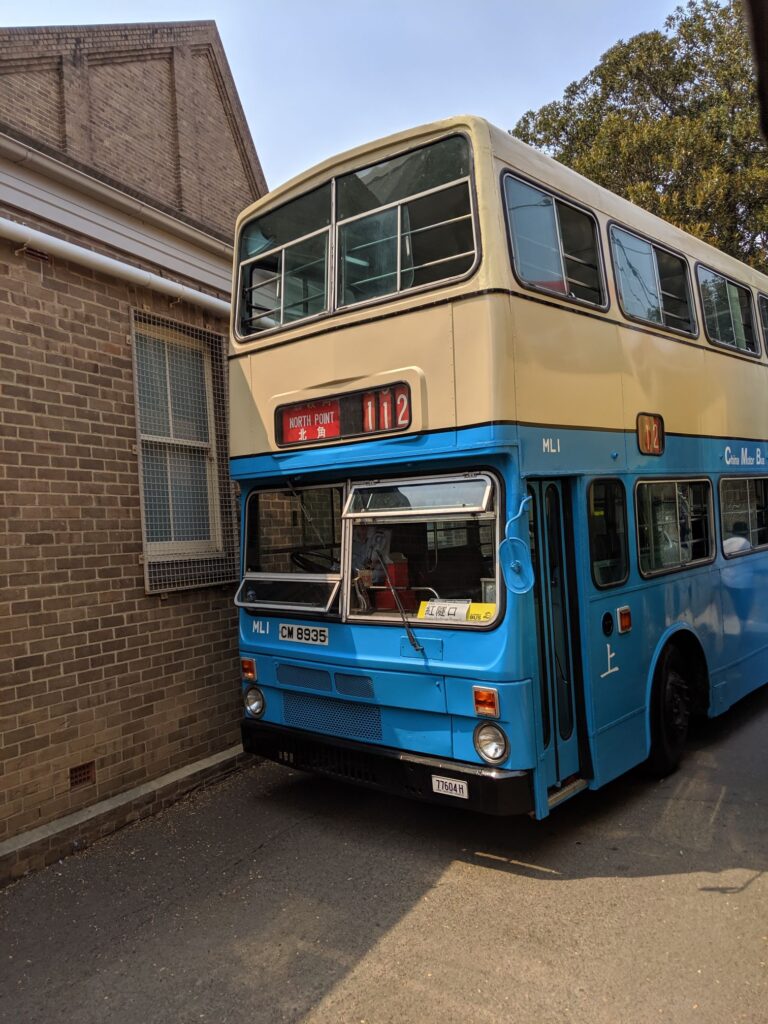
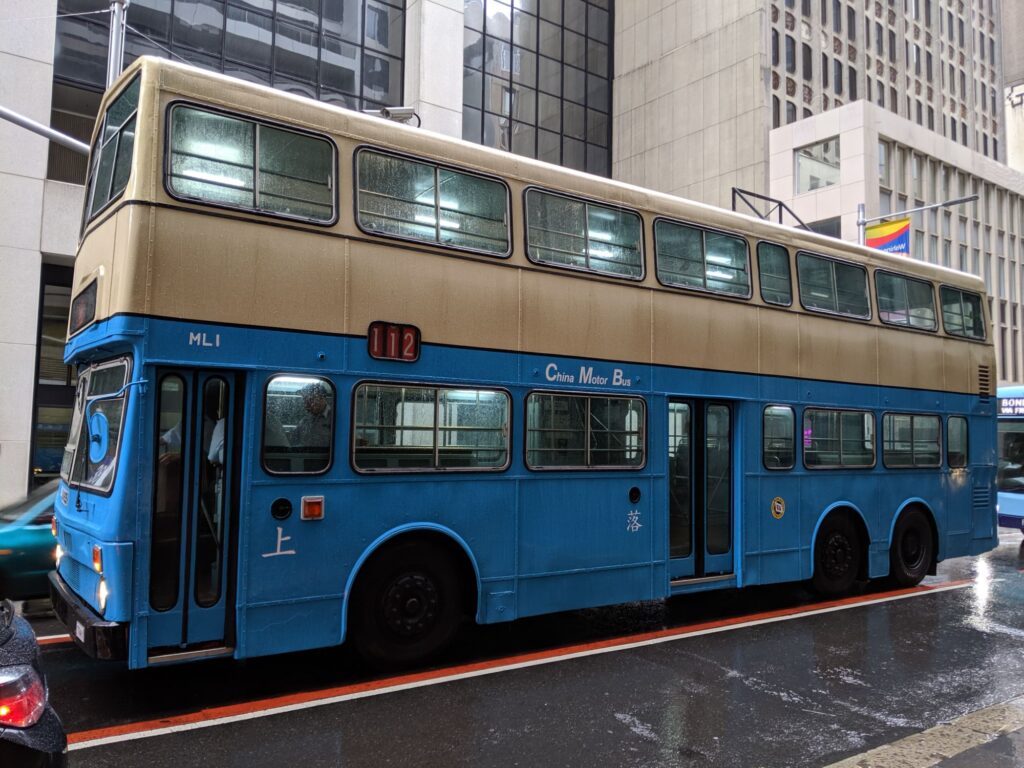
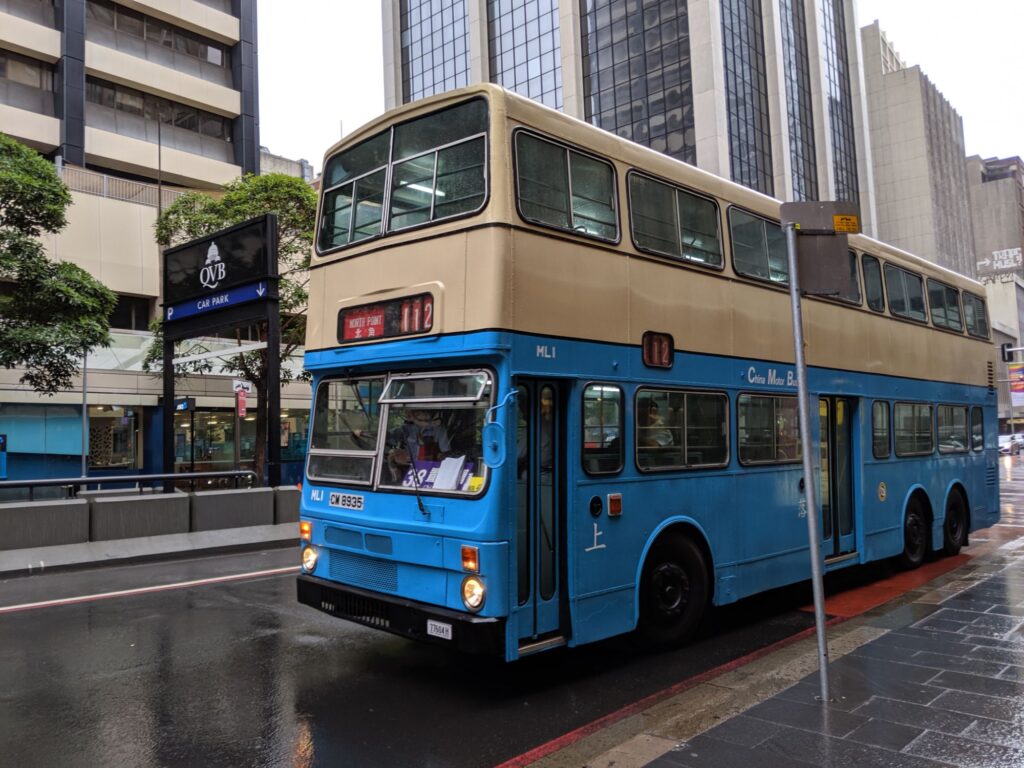
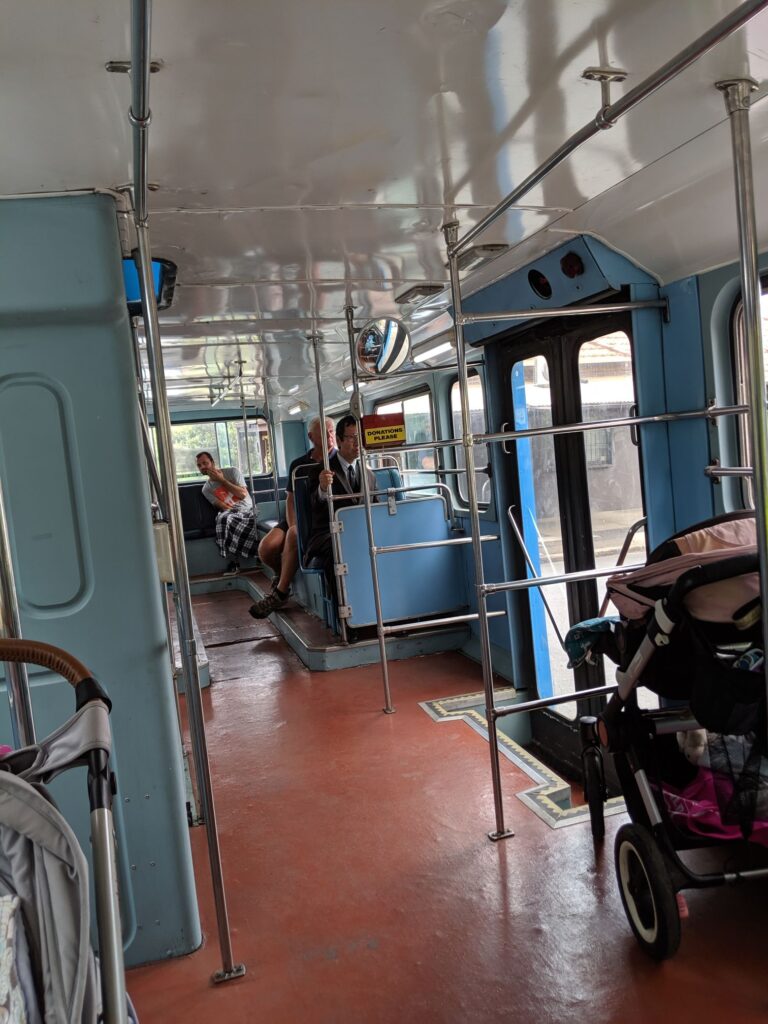
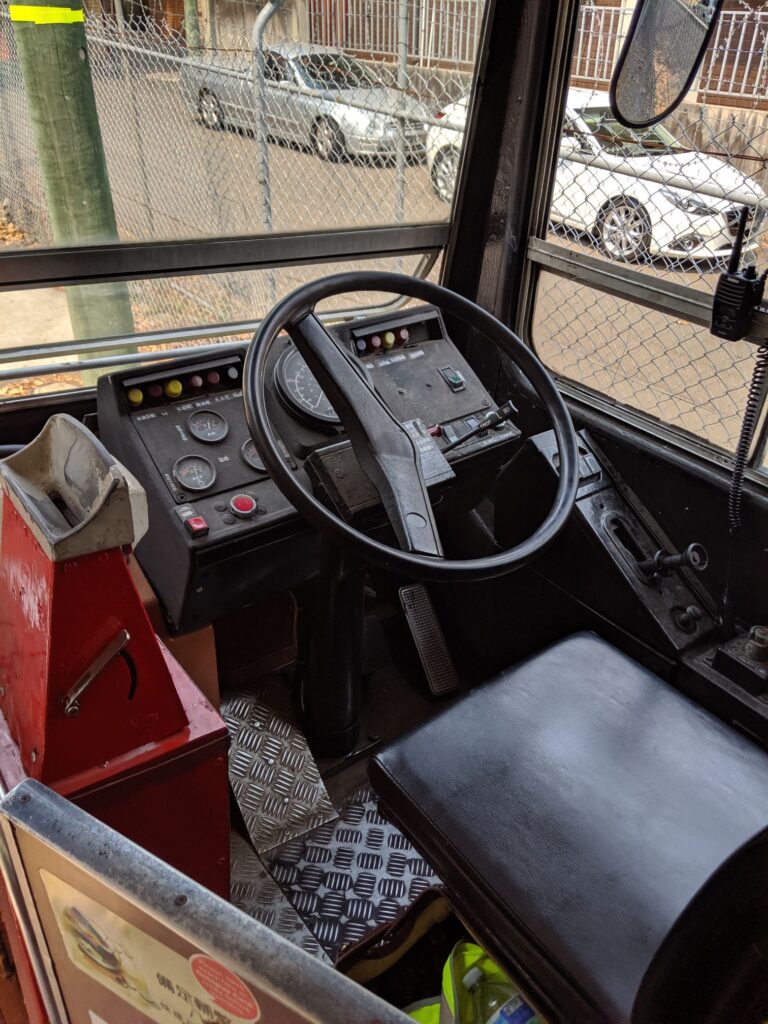
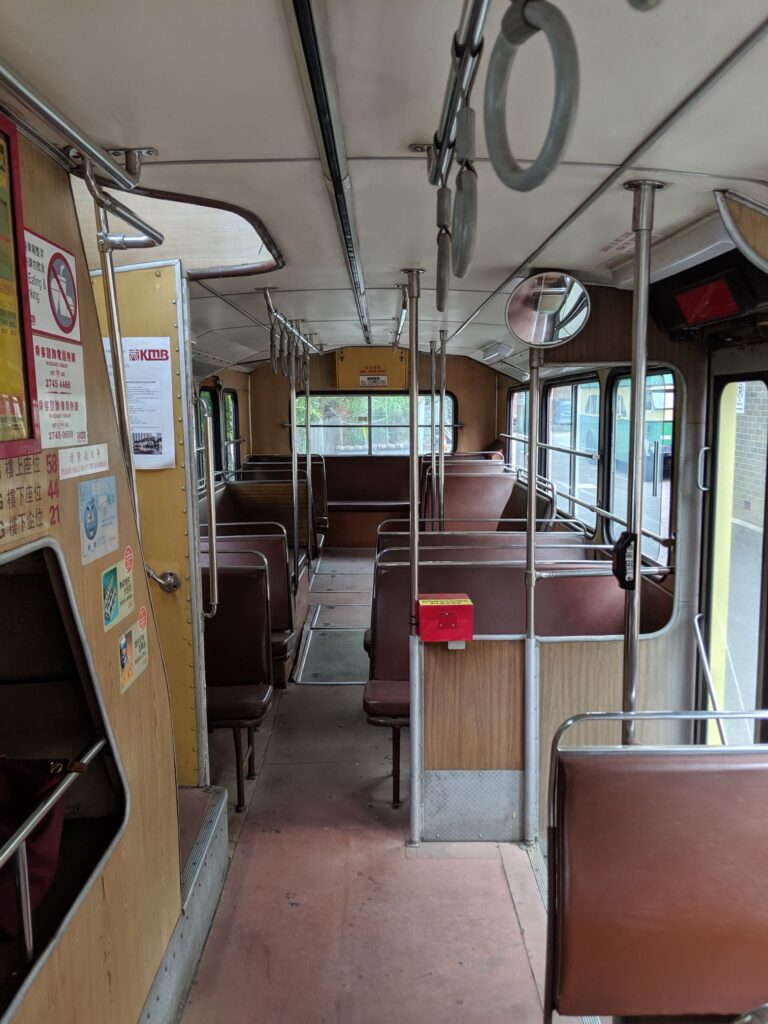
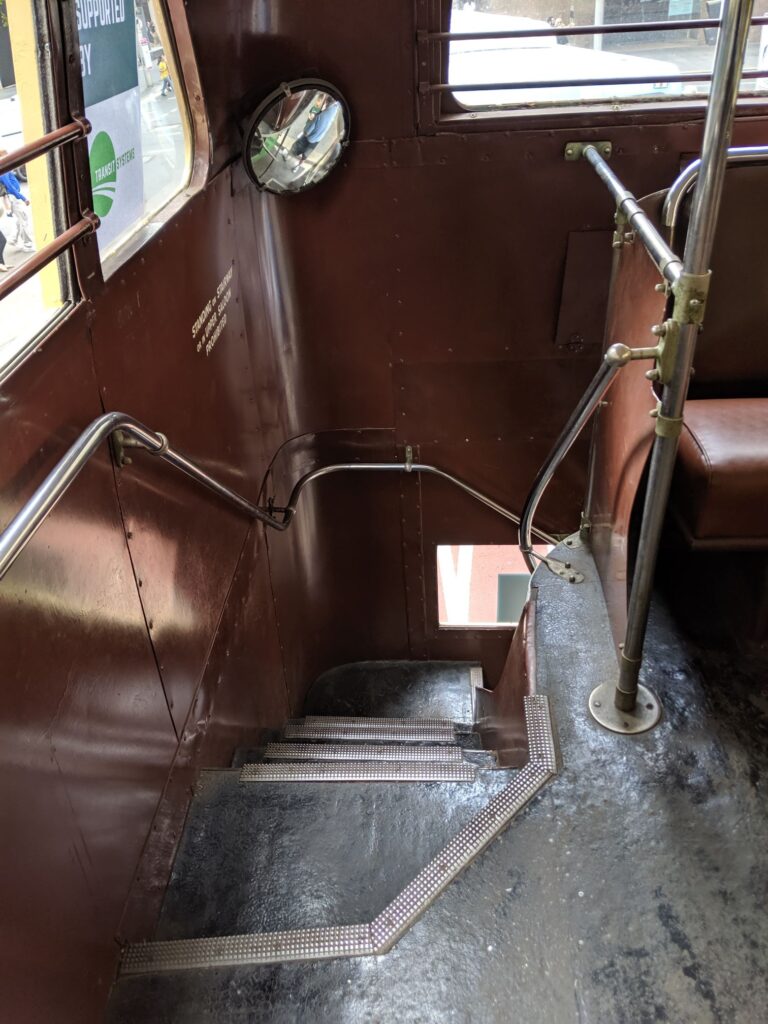
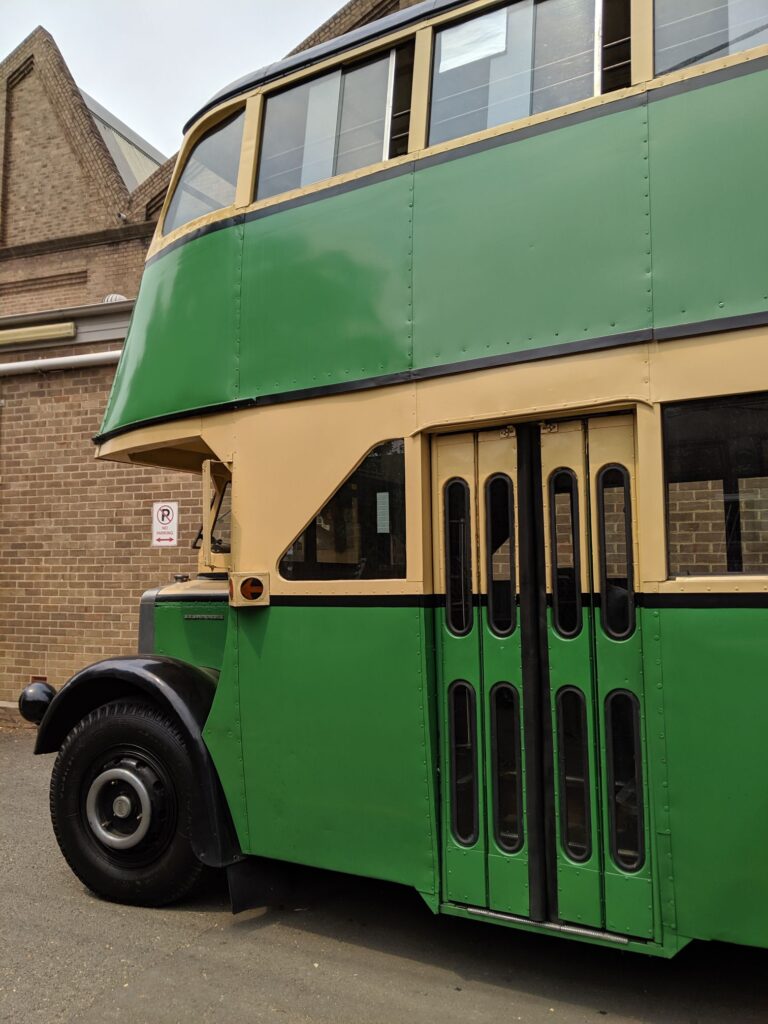
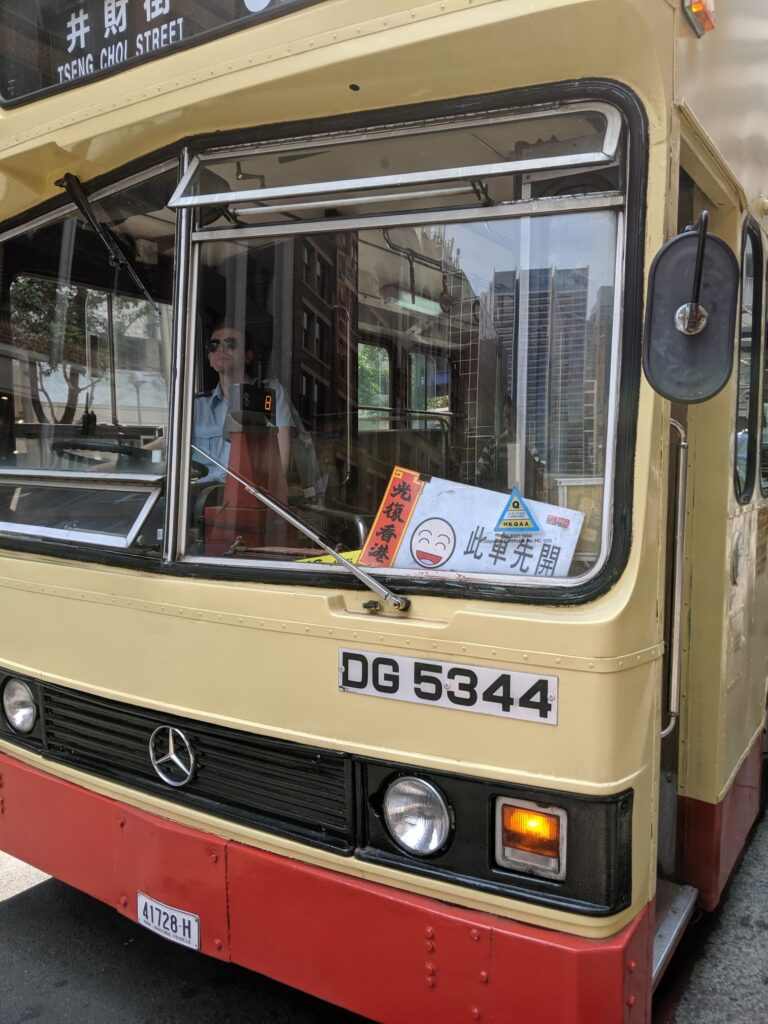
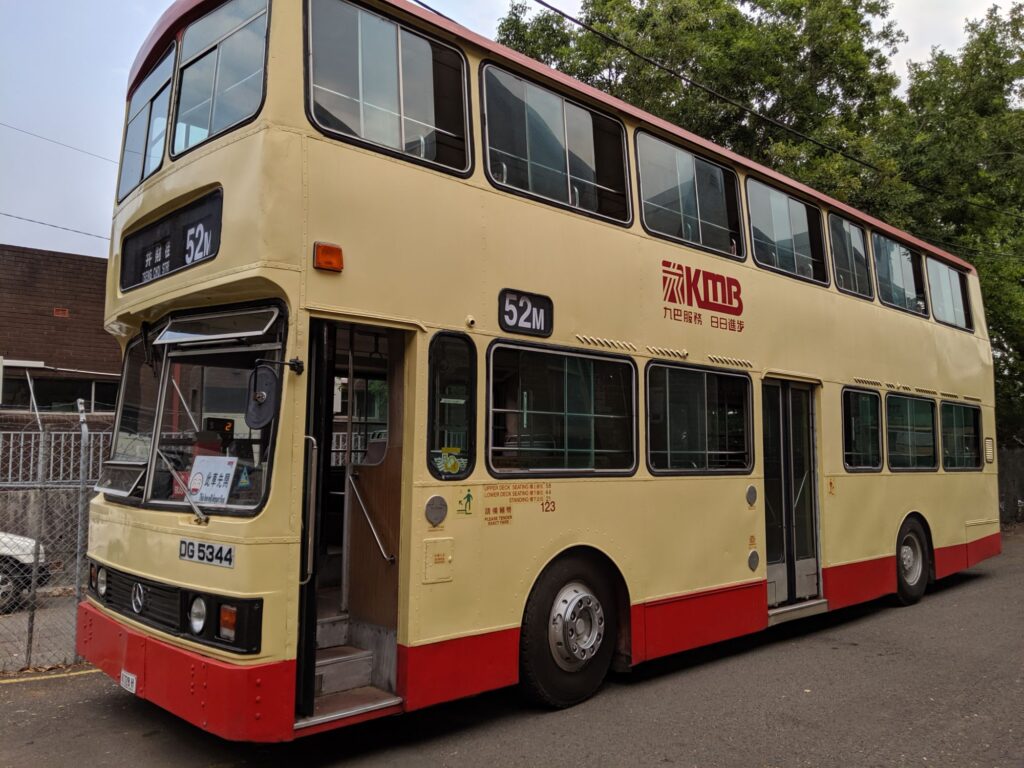
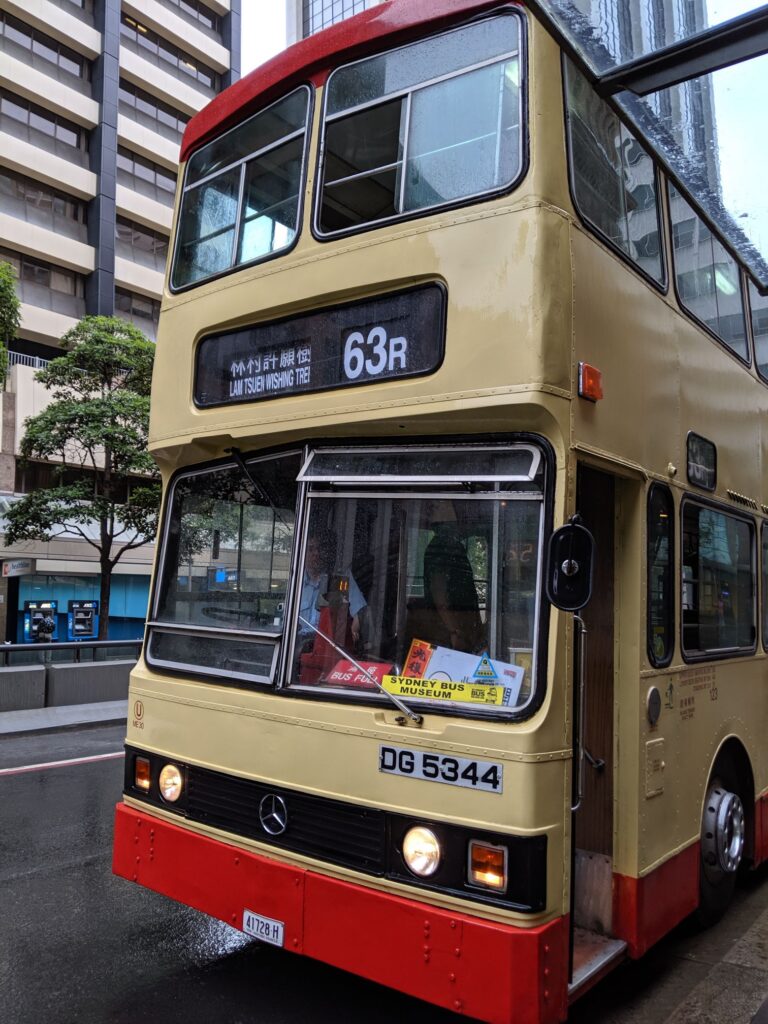
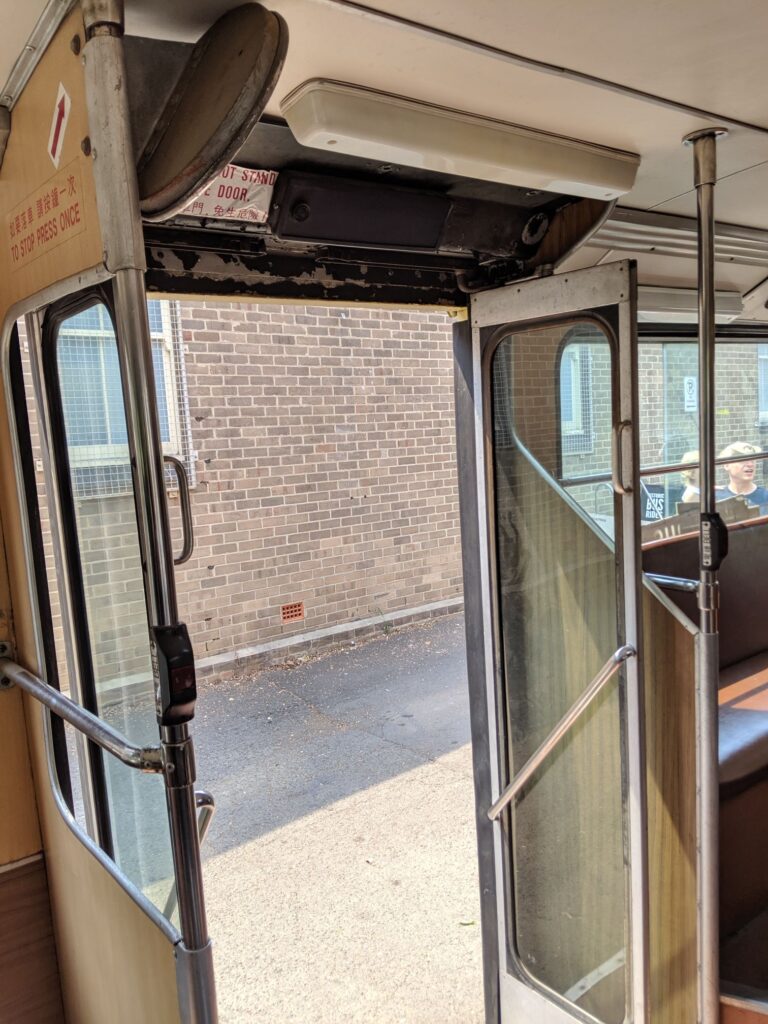
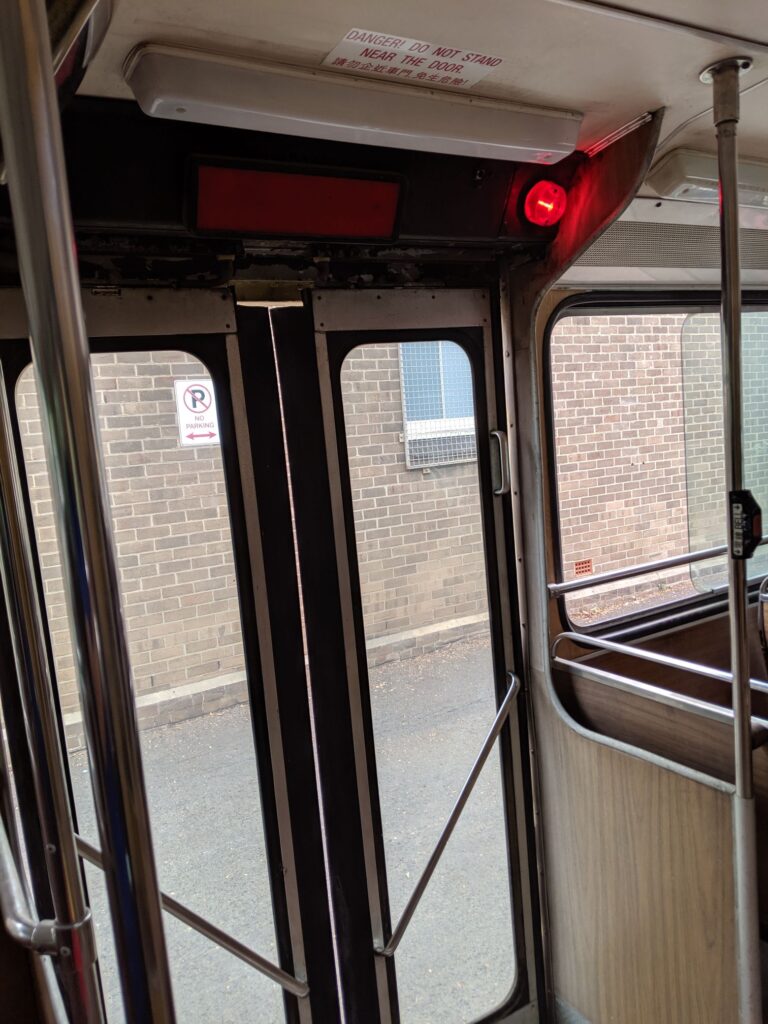
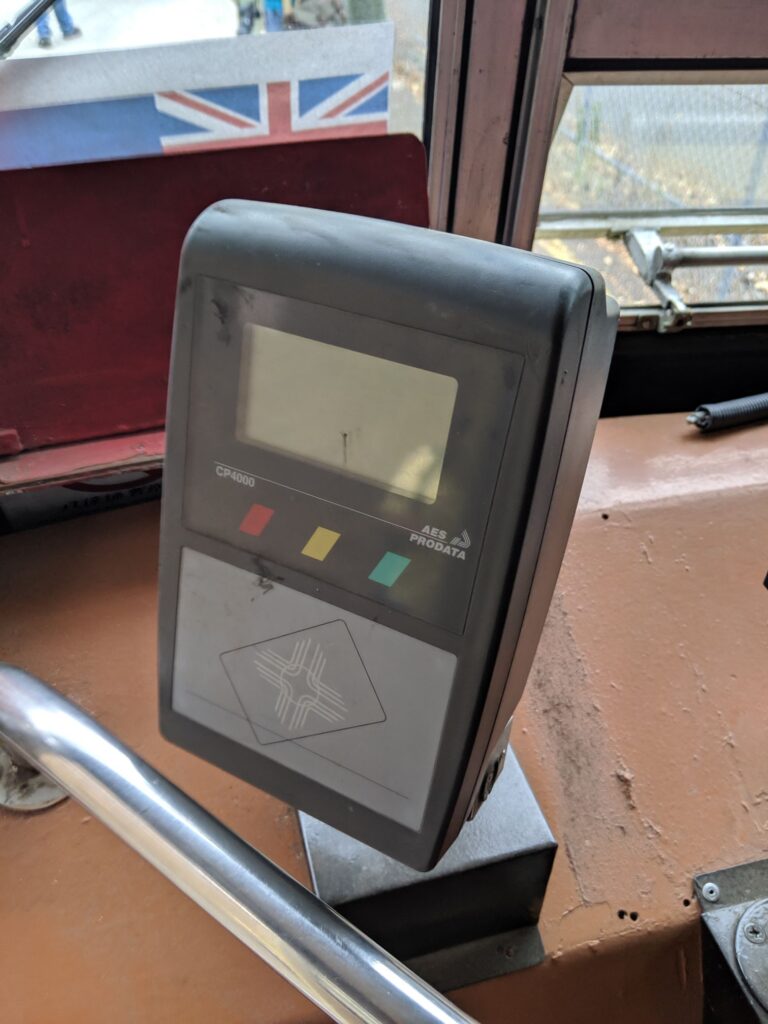
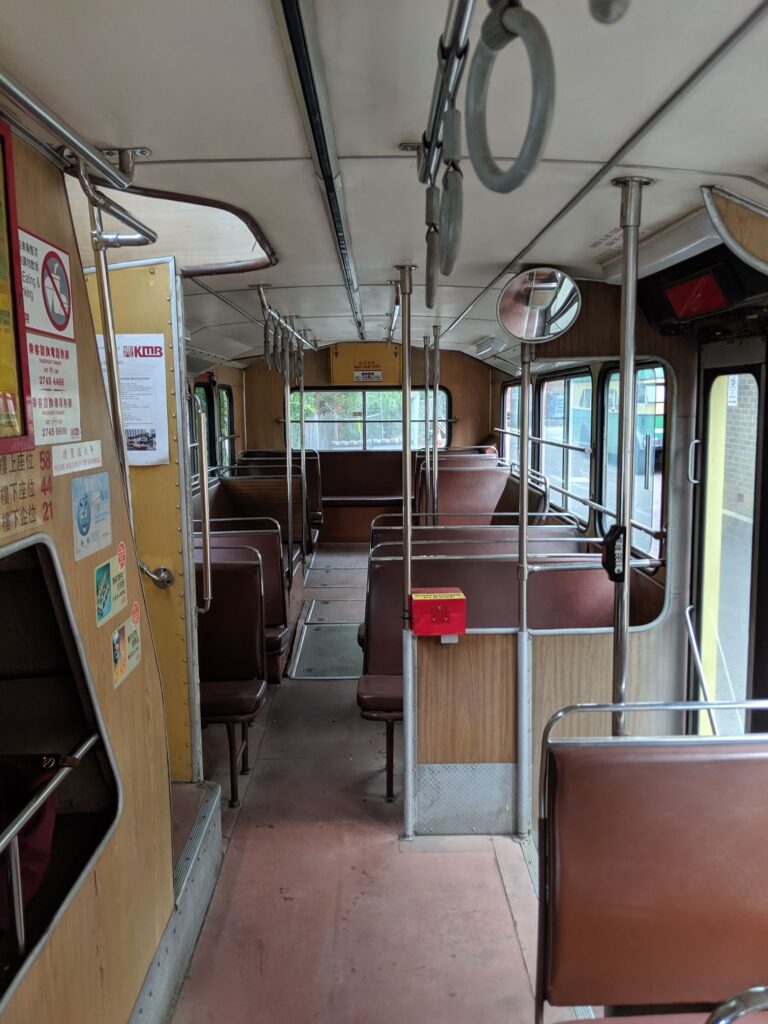
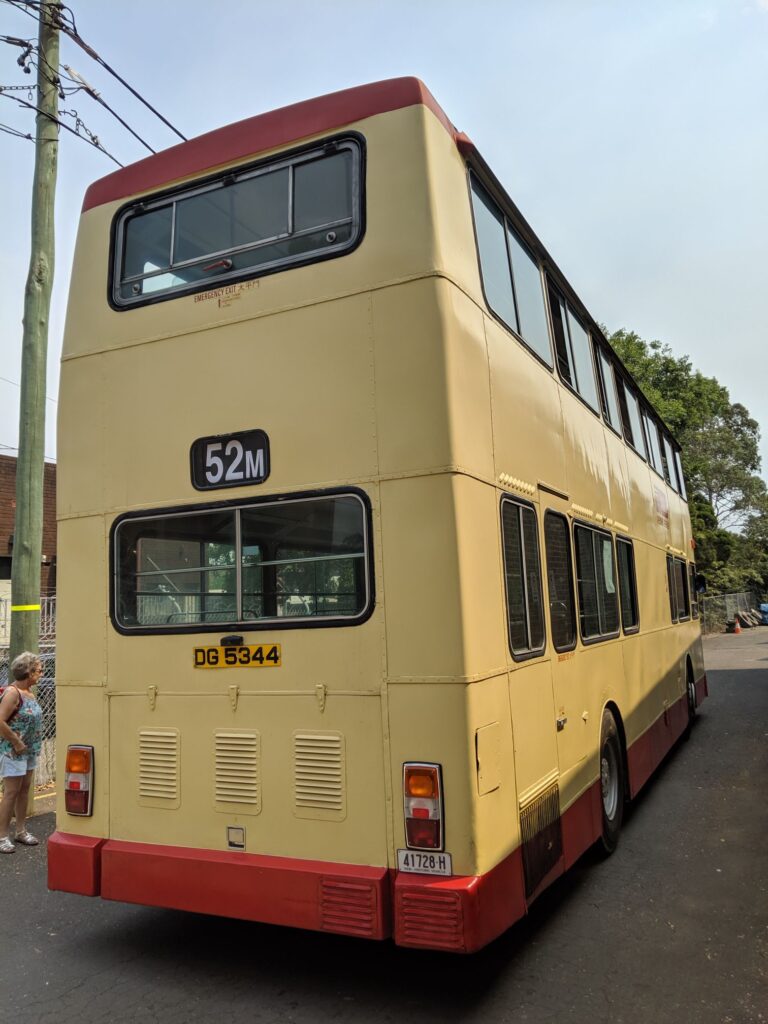
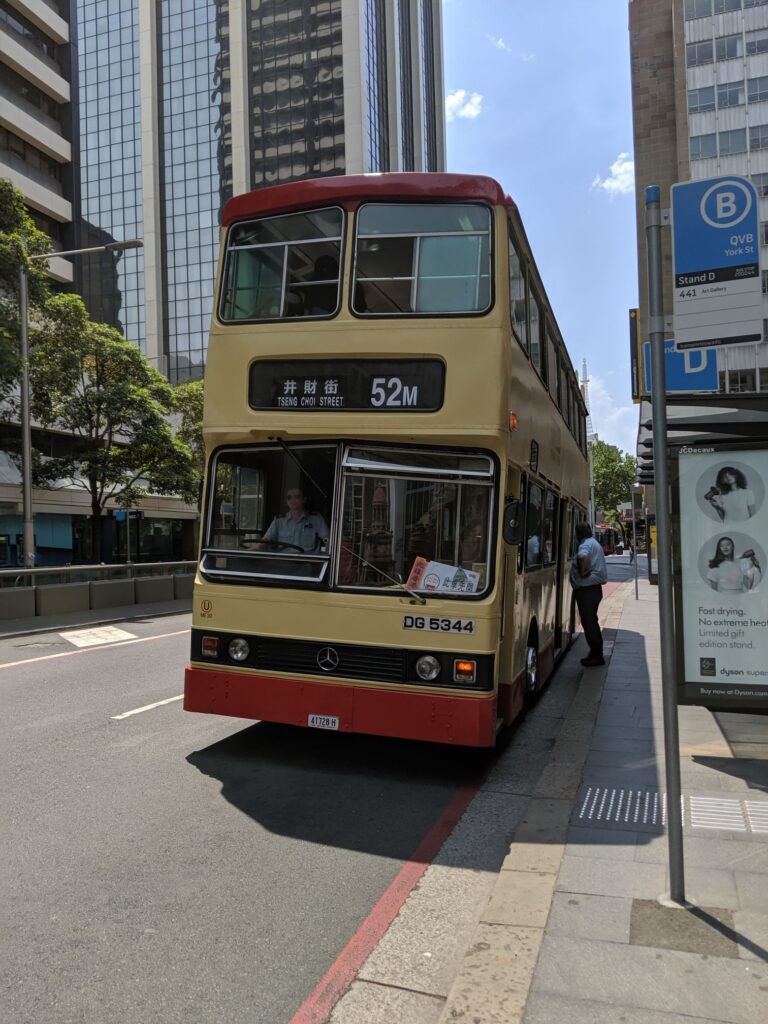
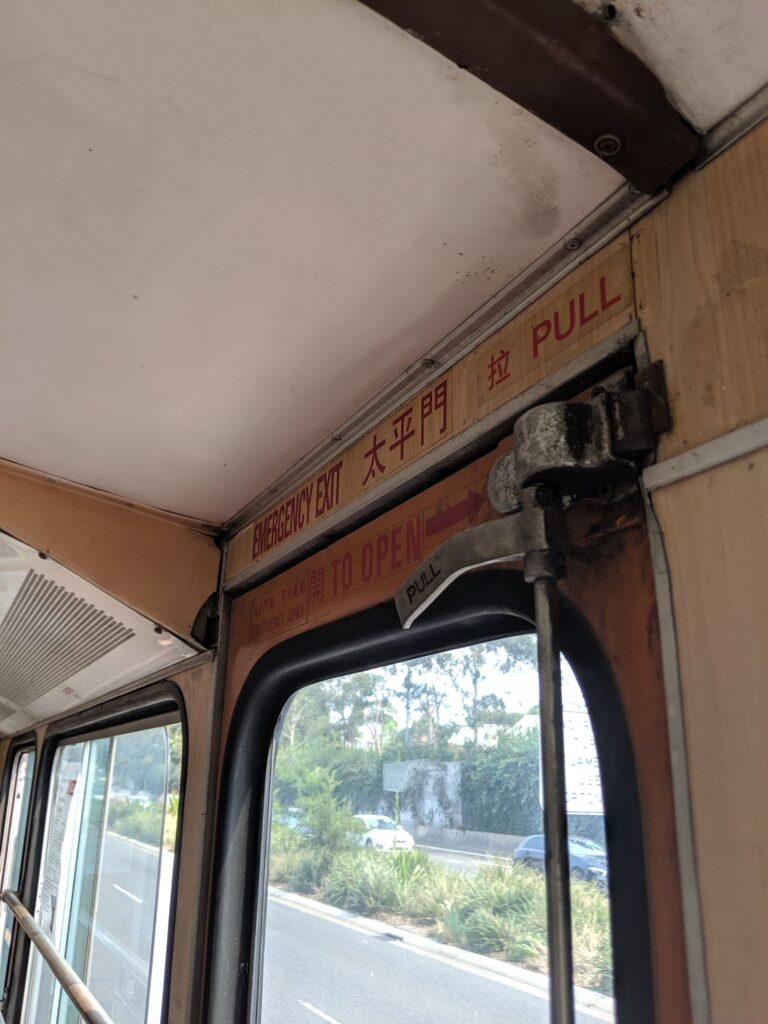
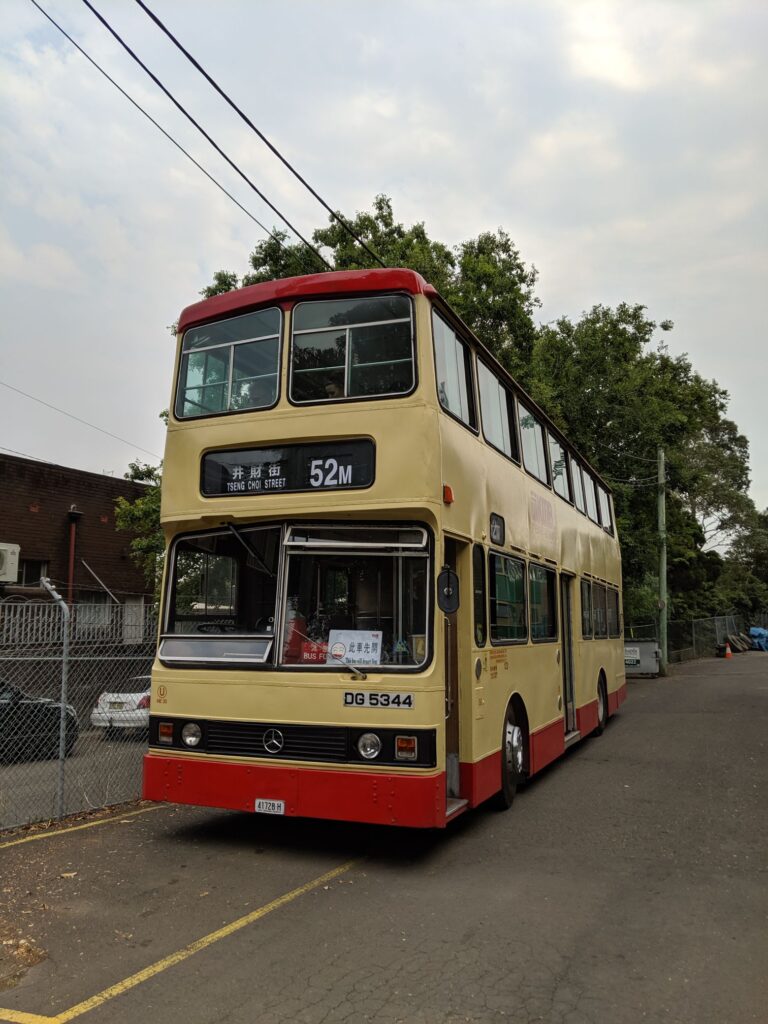
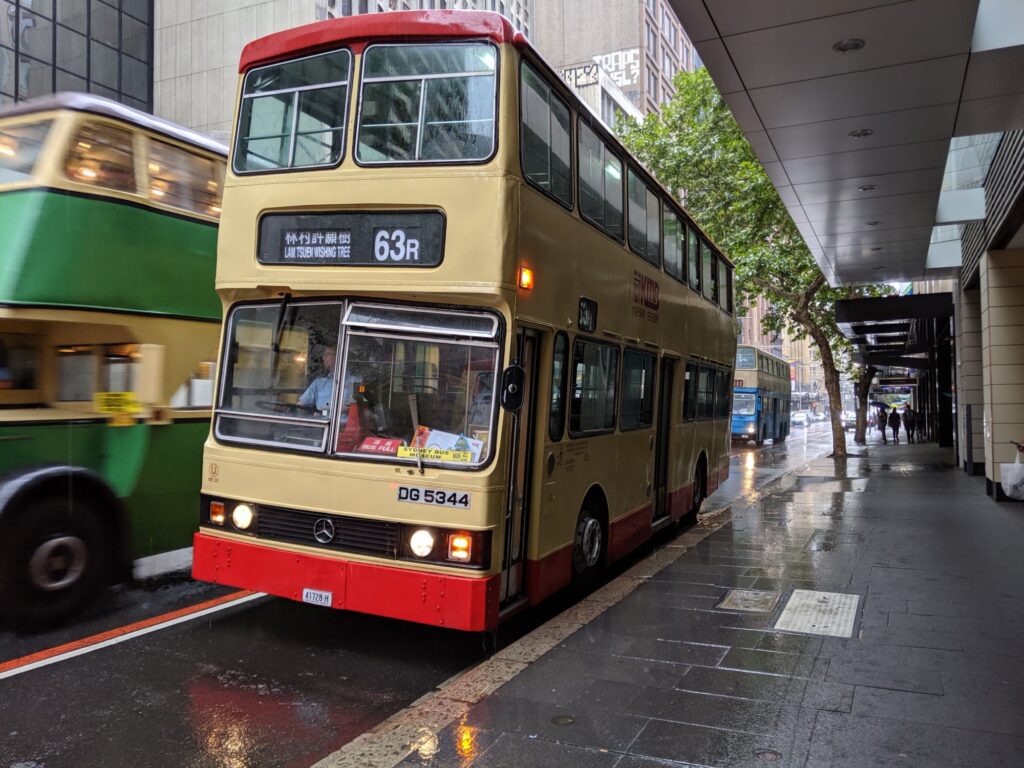
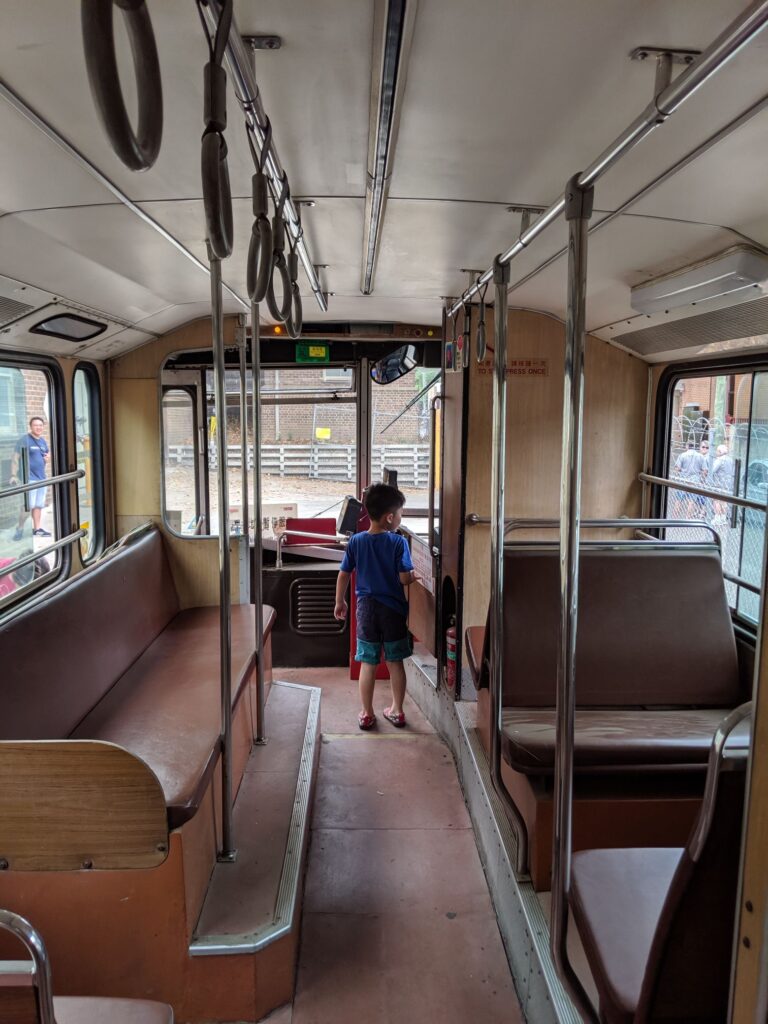
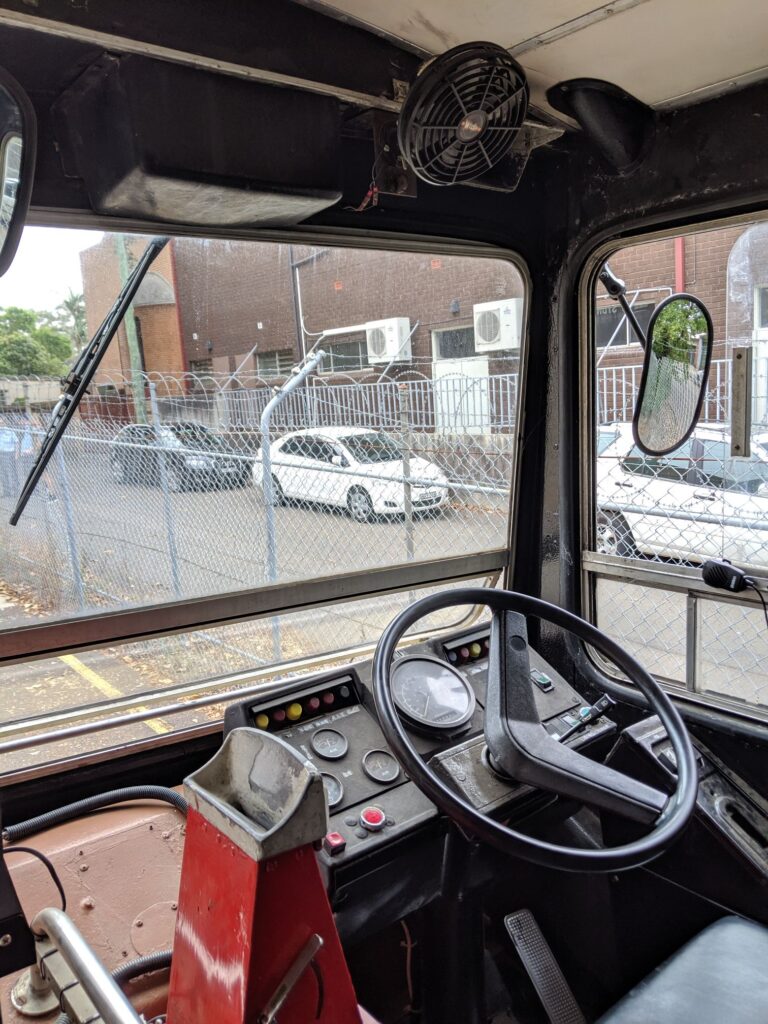
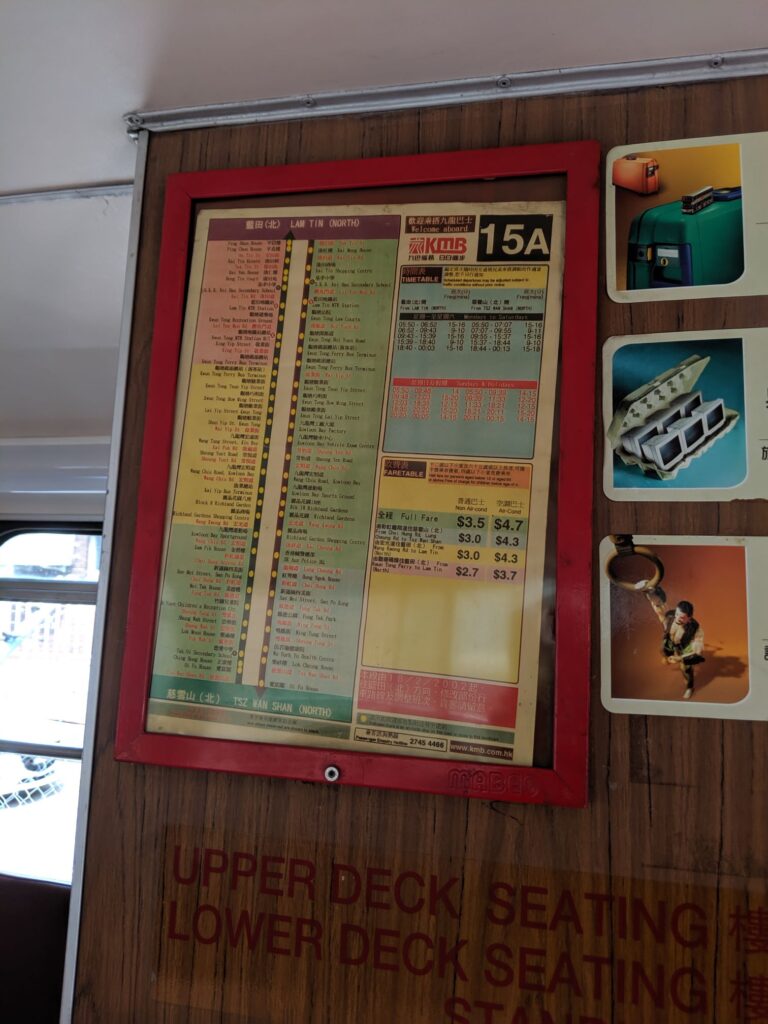
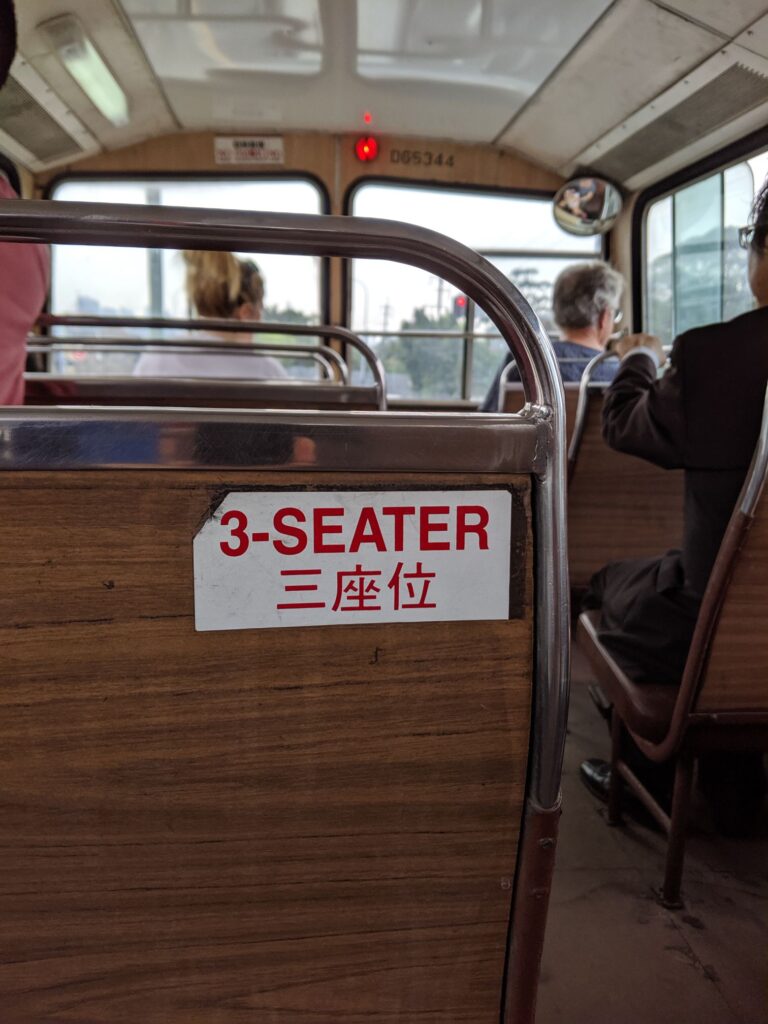
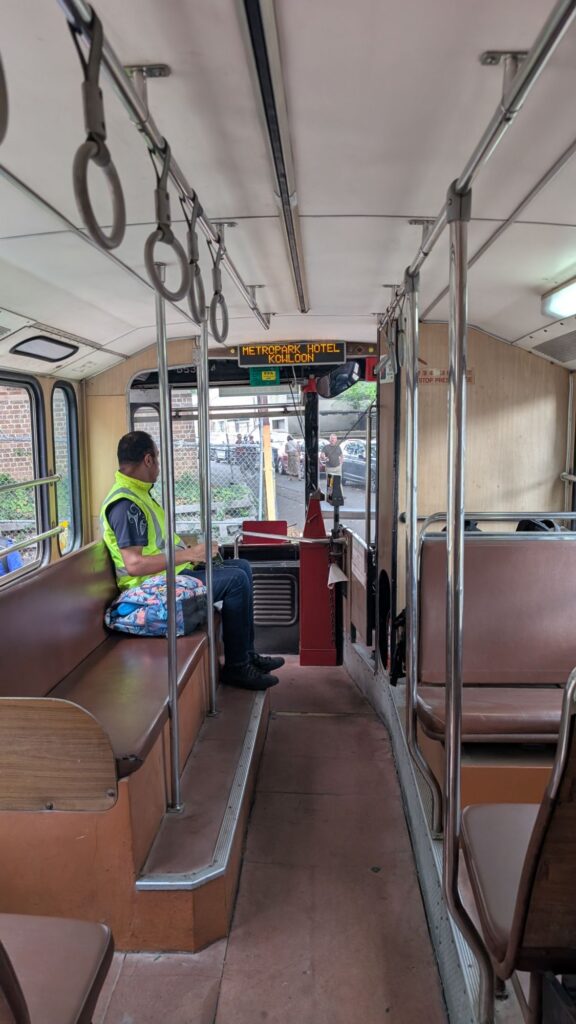
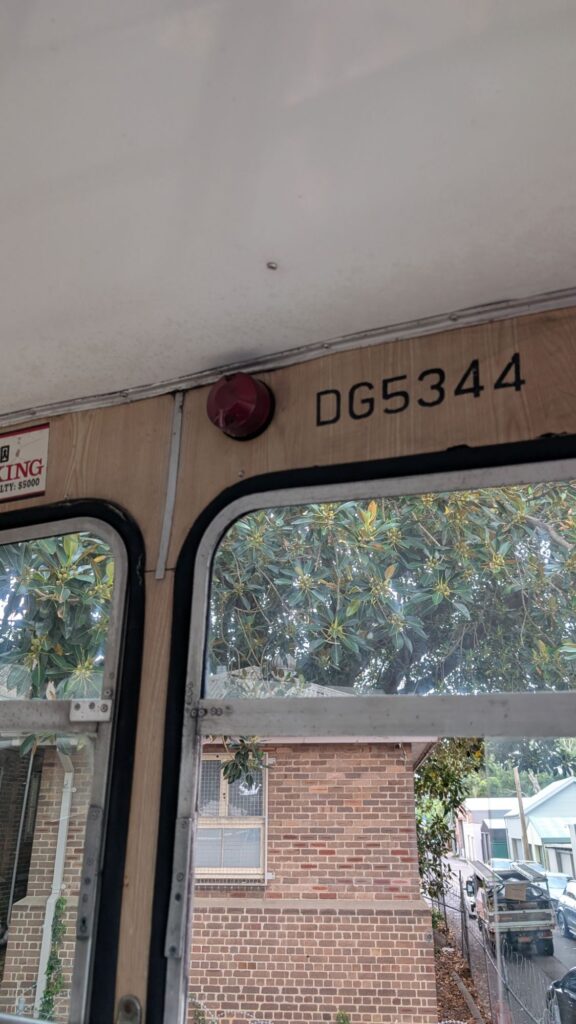
This year, only two buses were in service — the MCW Metrobus ML1 and the Mercedes-Benz O305 ME30. Another one, the Leyland Olympian BL66, was reportedly kept at the museum due to a handbrake issue, so it wasn’t taking passengers.
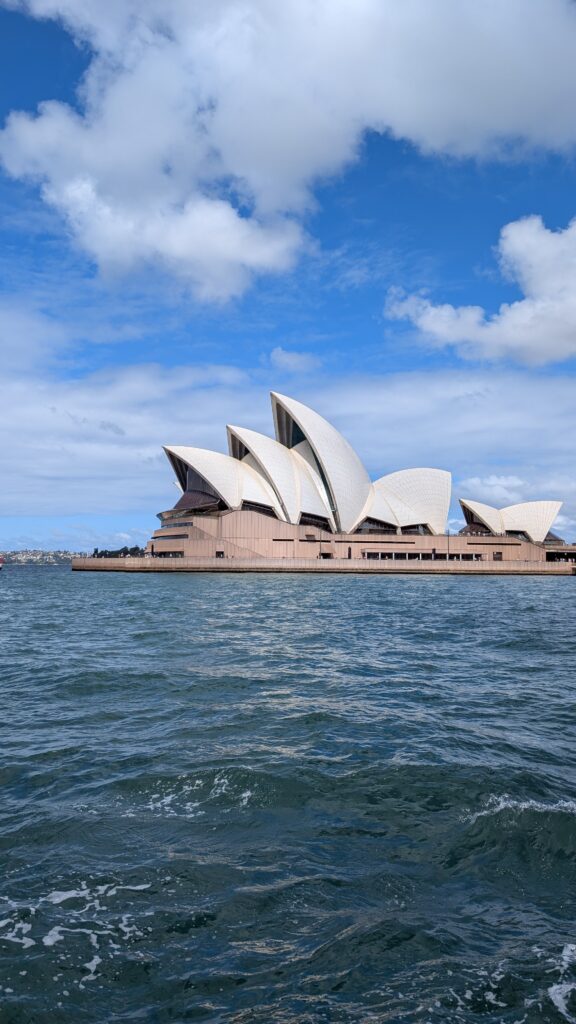
After visiting the museum and enjoying a couple of return rides on the buses, we moved on to nearby landmarks like the Sydney Opera House and Circular Quay for the usual photo stops.
Later, we met up for dinner with an old colleague who had recently moved to Sydney, along with his family — a nice way to wrap up the day.
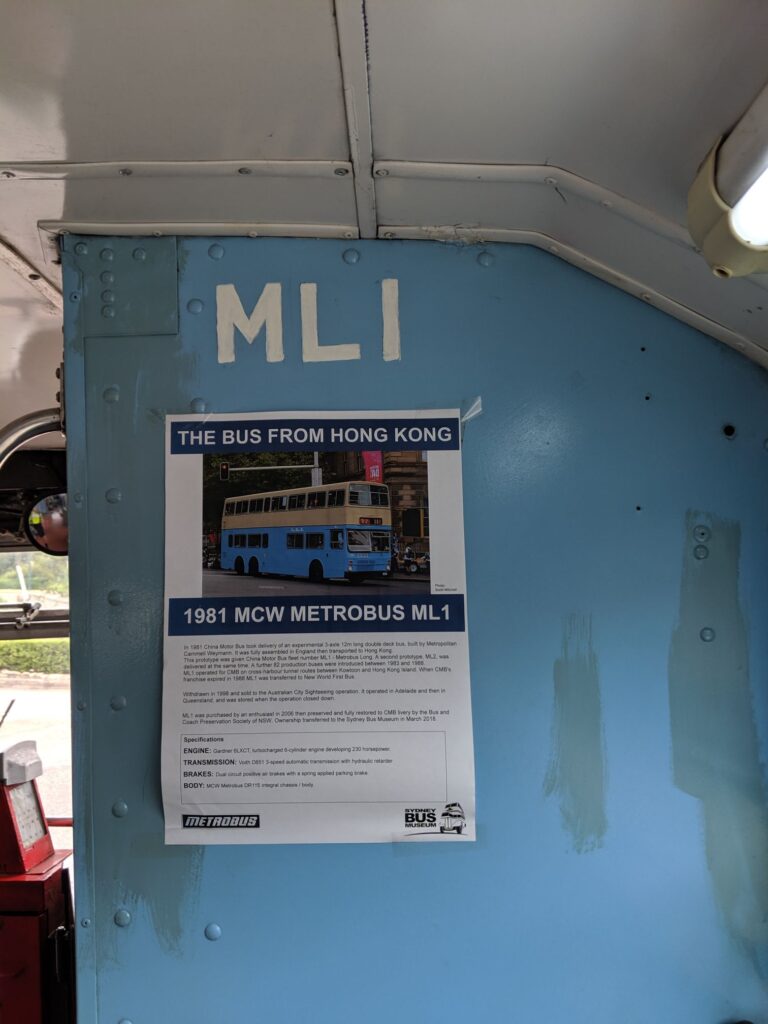
China Motor Bus MCW Metrobus 12m (ML1)
Built in 1981 by the British manufacturer Metro-Cammell Weymann (MCW), this is a 12-metre-long tri-axle bus. As the very first of its kind in the fleet, it carried the fleet number ML1 under China Motor Bus in Hong Kong.
After retirement, it was sold to Adelaide and repurposed as a City Sightseeing tour bus. Later, in 2005, it was purchased and transported to the Sydney Bus Museum, where it remains today as a preserved piece of history.
Reference: China Motor Bus Memorial Page , Sydney Bus Museum
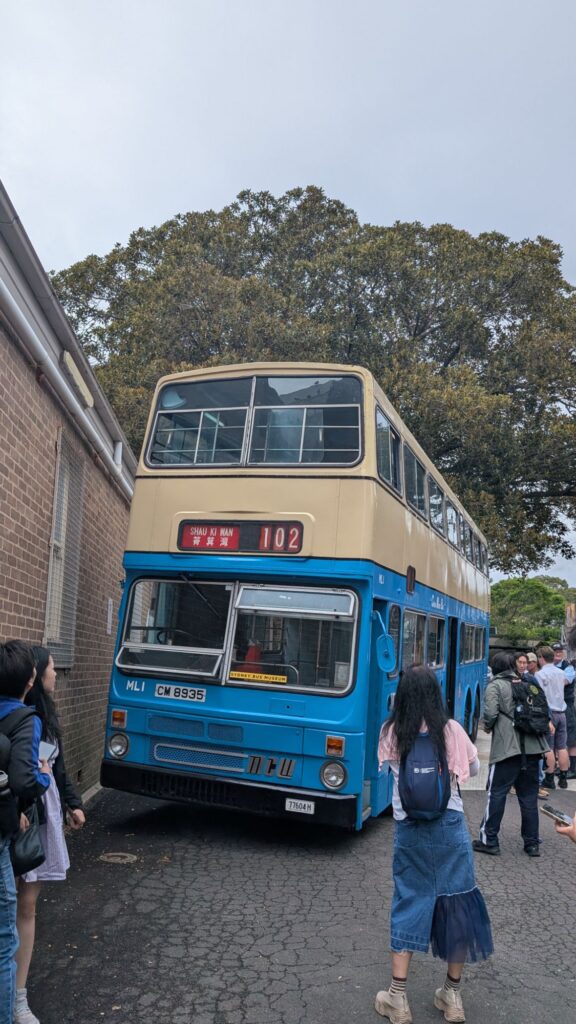
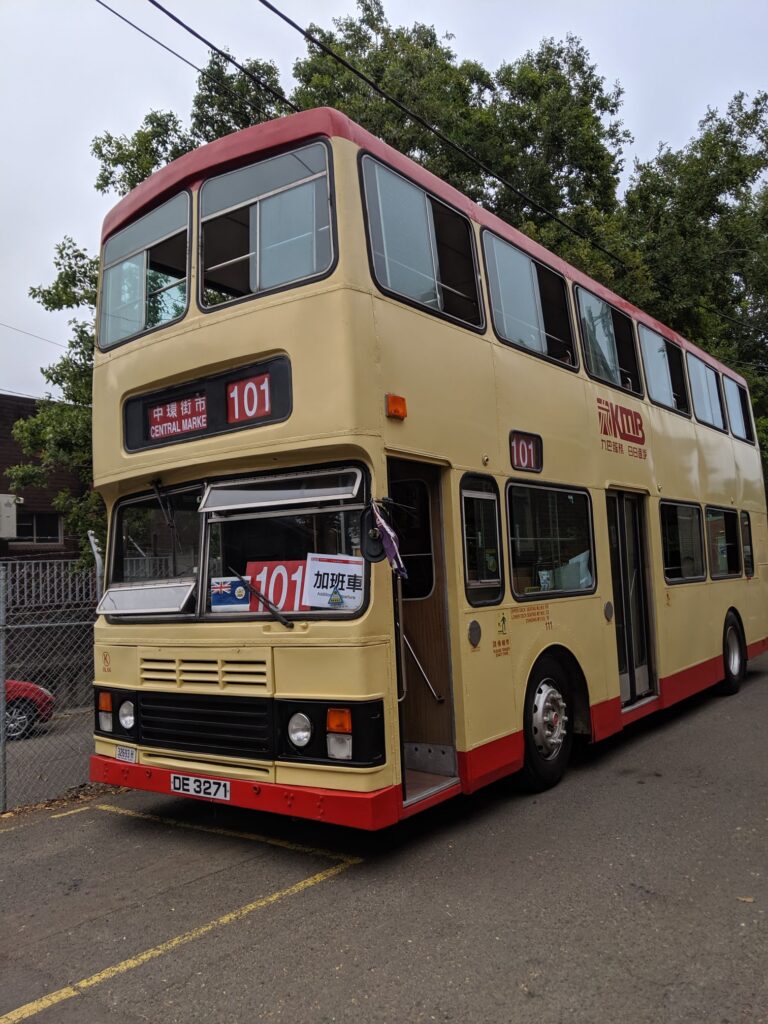
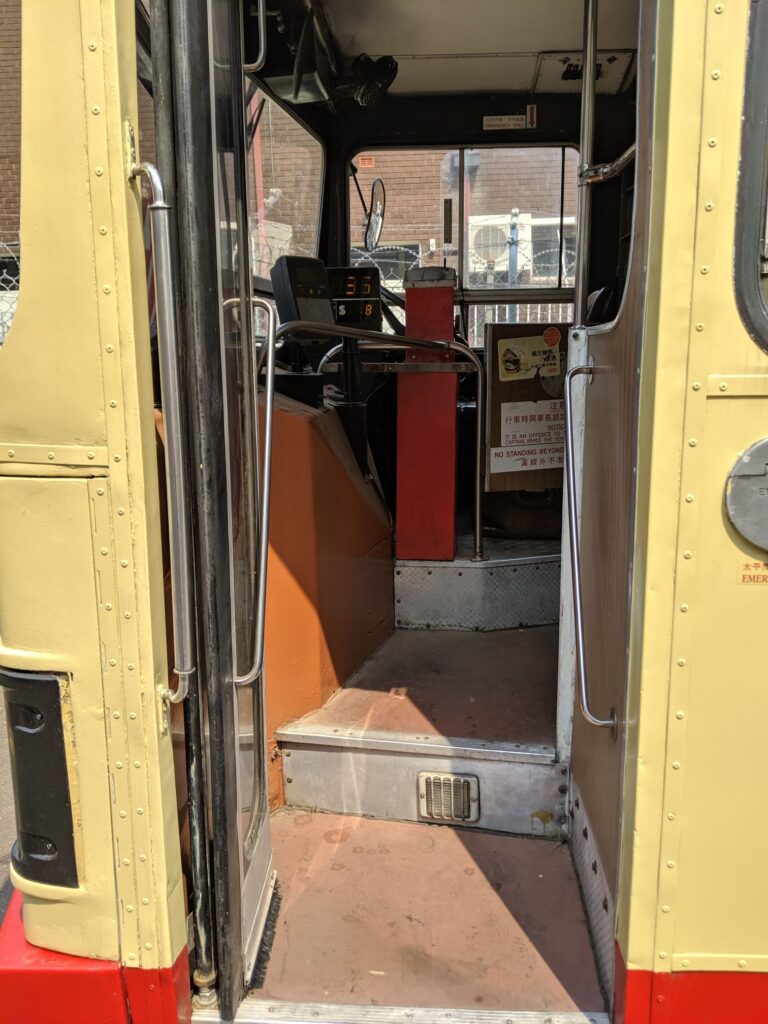
Kowloon Motor Bus Mercedes Benz O305 ME30
In 1983, Kowloon Motor Bus introduced a German-built Mercedes-Benz O305 double-decker on a trial basis. Following its success, a total of 40 units were purchased in 1985.
Known as the “king of the highway,” it was famous for its powerful 240-horsepower high-torque engine, especially when tackling the Tuen Mun Highway — something many bus fans still talk about today.
This particular bus, fleet number ME30, was retired in 2002. In 2009, it was acquired by a bus enthusiast and transported to the Sydney Bus Museum, where it is now preserved as part of the collection.
Reference: China Motor Bus Memorial Page, Sydney Bus Museum
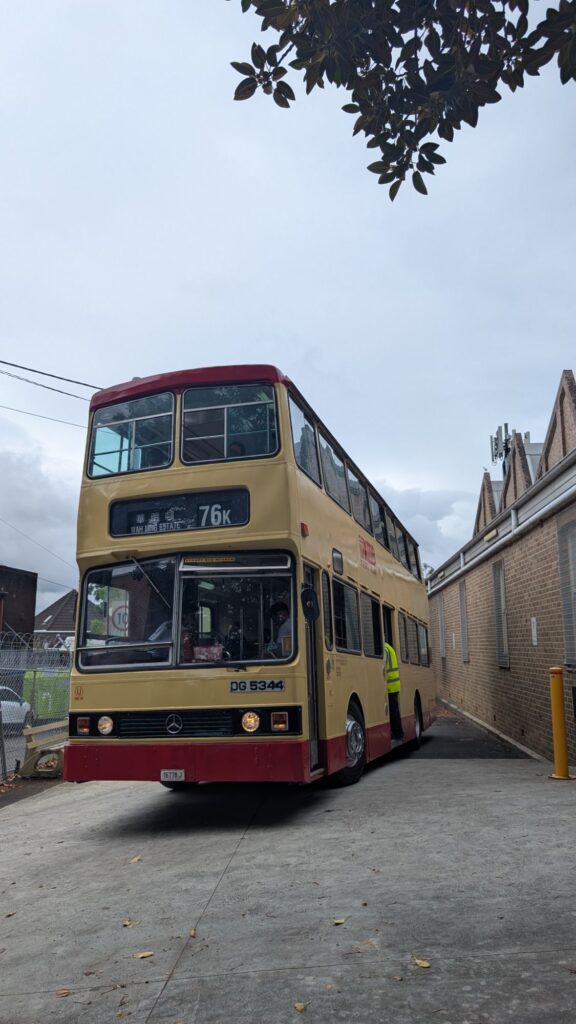
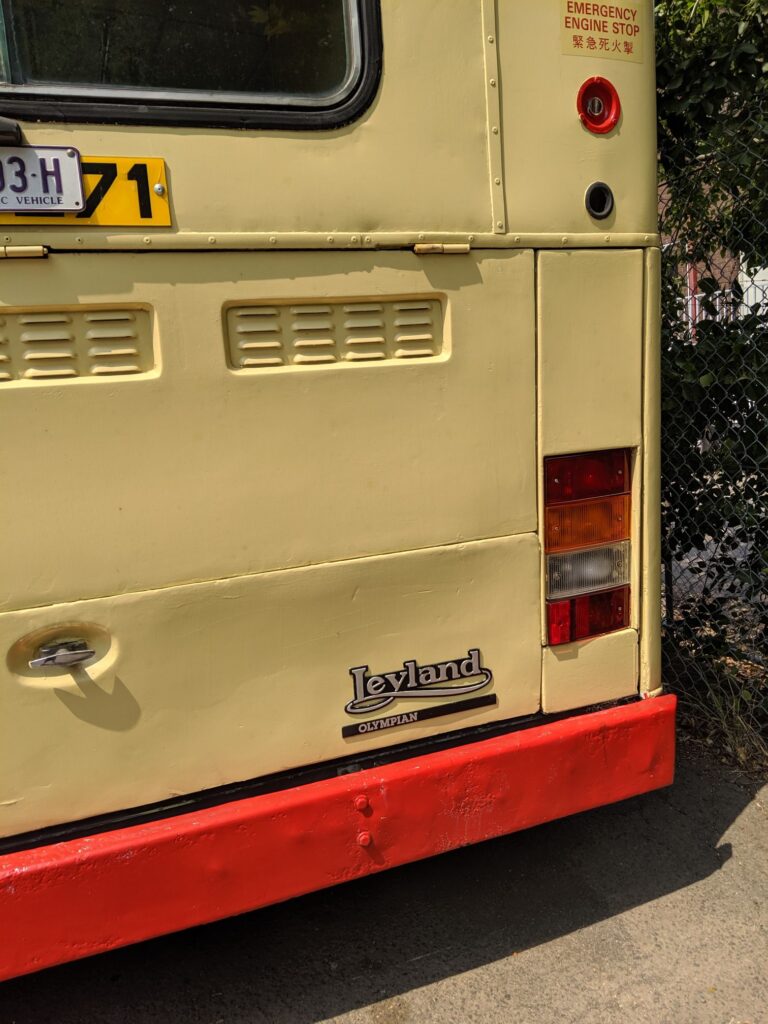
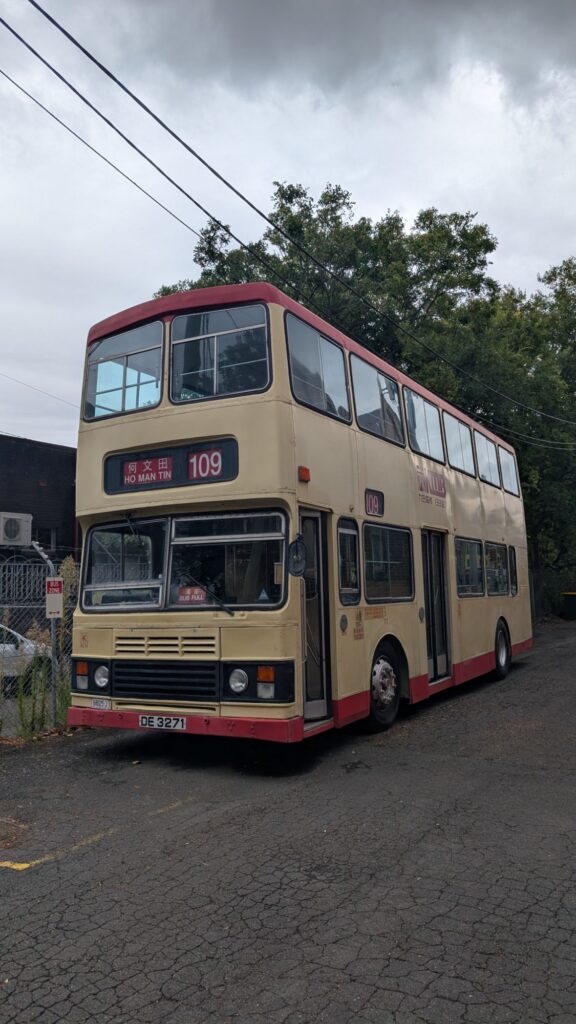
Kowloon Motor Bus Leyland Olympian B45 9.7m (BL66)
Kowloon Motor Bus began introducing the Leyland Olympian B45 in 1981, and over the following decade or so, they brought in hundreds of them — ranging from 9.7-metre two-axle versions to 12-metre three-axle models.
The Olympian B45 with fleet number BL66 was registered in 1985 and retired in 2002. Like the Mercedes-Benz O305, it was acquired by the same Australian bus enthusiast and later shipped to the Sydney Bus Museum for preservation and display.
For some reason, BL66 has disappeared from the museum’s official website, and it’s unclear why. During this year’s Hong Kong Bus Day 2026, BL66 was only on static display and didn’t carry passengers. That said, it did appear in photos on the museum’s official Facebook page alongside the other vintage buses out on the road — which shows it’s still operational.
Hopefully, it’s just a minor technical issue.
Reference: China Motor Bus Memorial Page
Taronga Zoo
On Monday morning, we headed off to Taronga Zoo. We first took the train to Town Hall, then transferred to Bus 100, which goes directly to the zoo entrance.
Since we’re members of Zoos Victoria, entry was free for us — a nice little bonus for the trip.
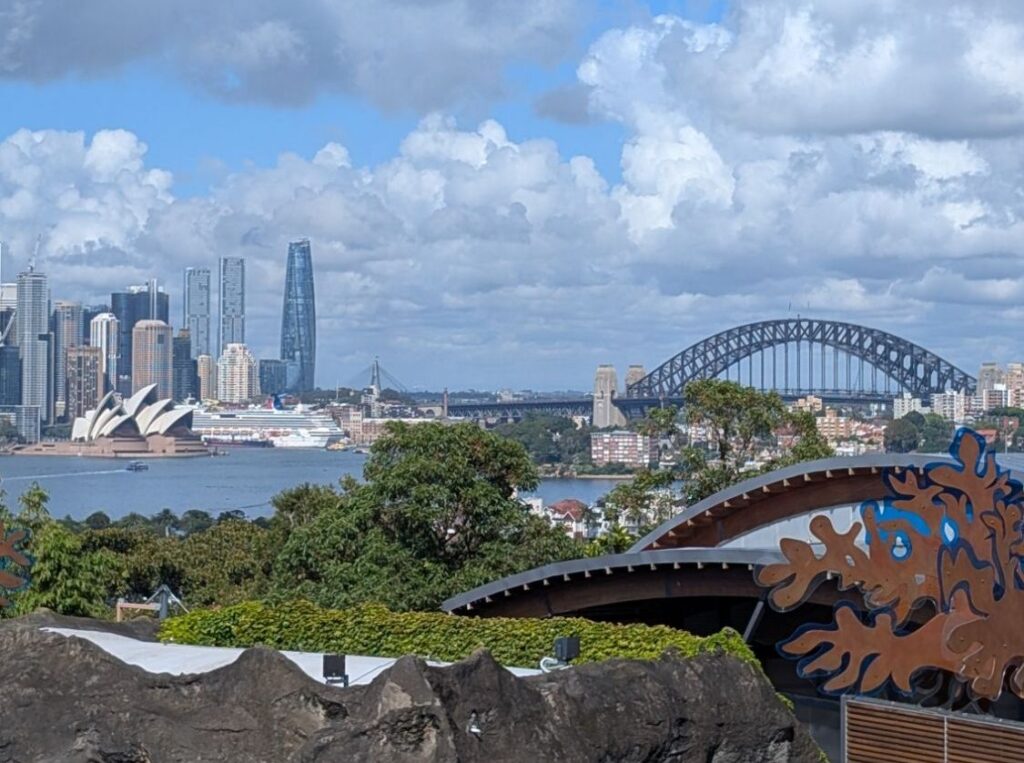
Taronga Zoo is located in North Sydney, on the northern side of Sydney Harbour. Built along the hillside, it offers some best views overlooking iconic landmarks like the Sydney Opera House and the Sydney Harbour Bridge.
As far as zoos go, it’s actually not that different from other city zoos. The main highlights for us were the Seal Show and the Bird Show.
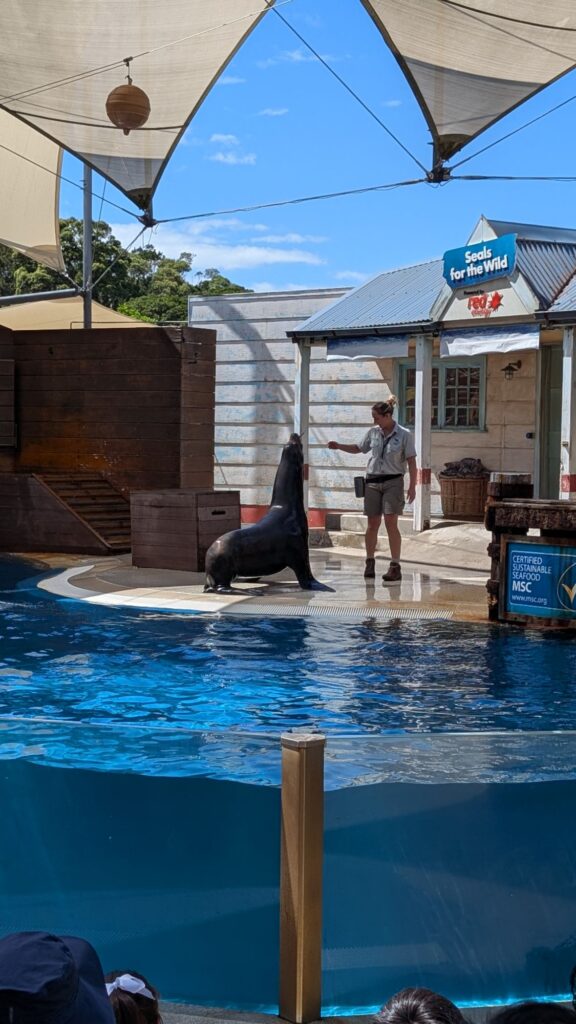
Melbourne Zoo also has a seal show, but it’s usually inside the aquarium area. At Taronga, the Seal Show feels more like Ocean Park in Hong Kong — there’s a large outdoor stadium where the seals perform tricks like balancing balls, diving, and clapping. For our young son, it was quite a “fresh” and exciting experience.
As for the Bird Show, Melbourne’s Healesville Sanctuary has one too — and it’s actually bigger. They also have birds flying low over the audience’s heads. That said, the style of the show at Taronga is a bit different, so it’s still worth watching.
As I mentioned before, Taronga Zoo is built along the hillside, so the easiest way to get around is to start at the Main Entrance at the top and walk downhill. At the bottom, there’s another exit that leads to the wharf, where you can catch a ferry back to Circular Quay.
Here’s the catch, though — if you drive, the car park is at the Main Entrance up top. That means after seeing all the exhibits, you have to walk back uphill to leave. It wasn’t such a problem in the past because the Sky Safari cable car helped shuttle visitors up and down, but it’s been out of service for some time. A new cable car won’t open until 2027–28. Some areas have escalators, but not everyone wants to use them.
The zoo only has two standard dining options: one near the Main Entrance outside the paid area, and another mid-zoo “Food Market,” which has a reputation for being not-so-great. There is also “The View,” a fancier, pricier restaurant with table service. So if you want a casual meal inside the zoo, the Food Market is pretty much your only choice.
On the day we visited, we just grabbed a simple wrap from the Food Market. For the return trip, we went down to the Taronga Zoo Wharf and took the ferry back to the CBD, as mentioned earlier.
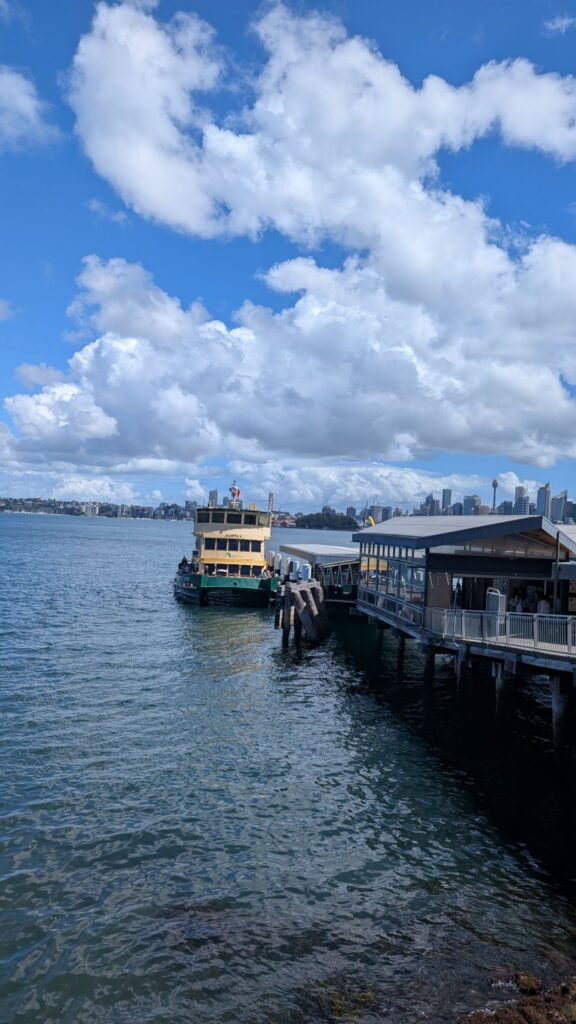
The ferry ride takes about 15 minutes and costs around AUD 8.50. It’s a real treat for the eyes — you get fantastic views of the Sydney Harbour Bridge and the Opera House, definitely worth the ticket.
On the way back, we caught a train for about an hour to return to our Airbnb, right during the 3–4 pm peak rush. Let’s just say we got a very real taste of Sydney’s “commuter crowd” — more on that below.
Sea Cliff Bridge
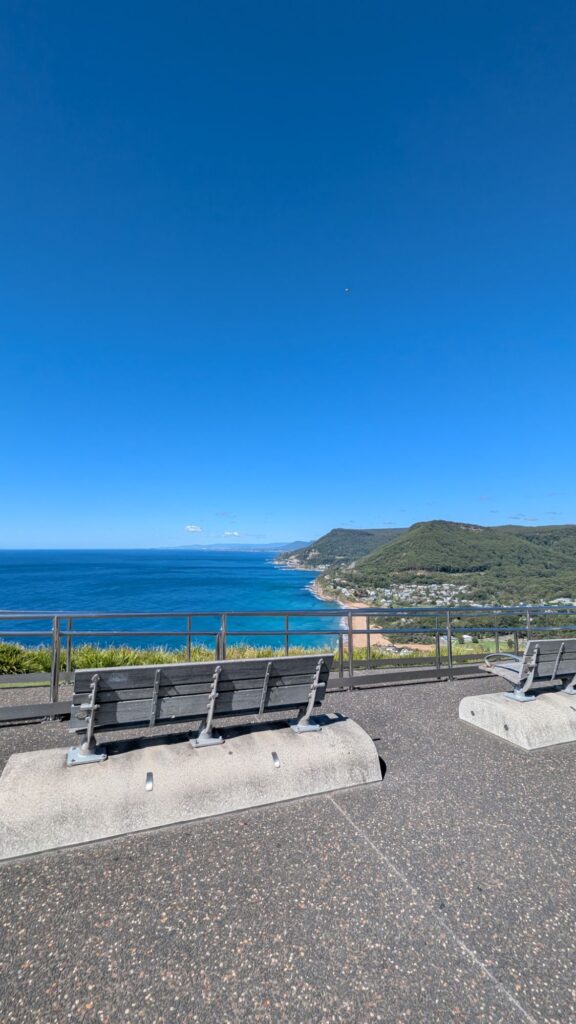
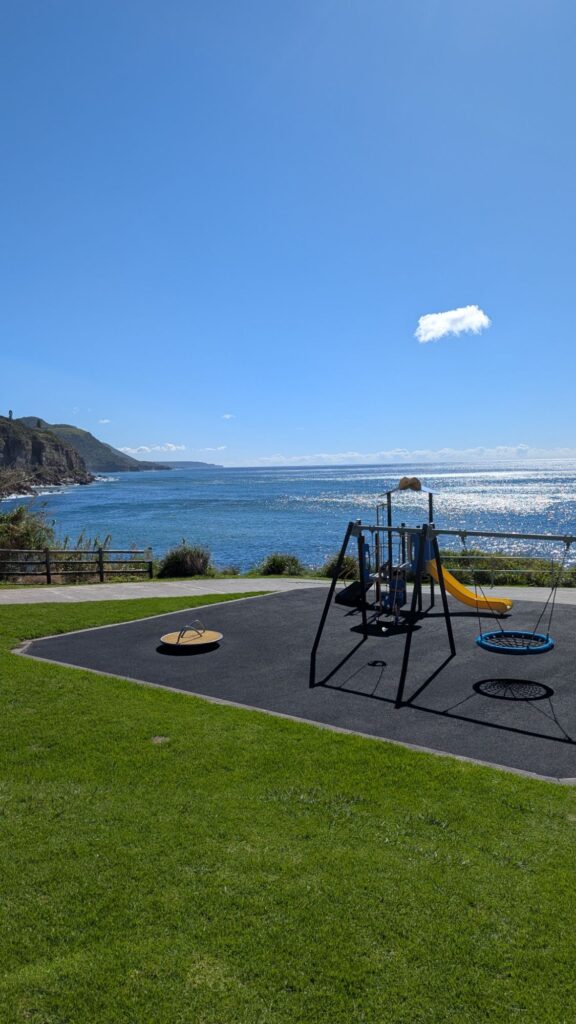
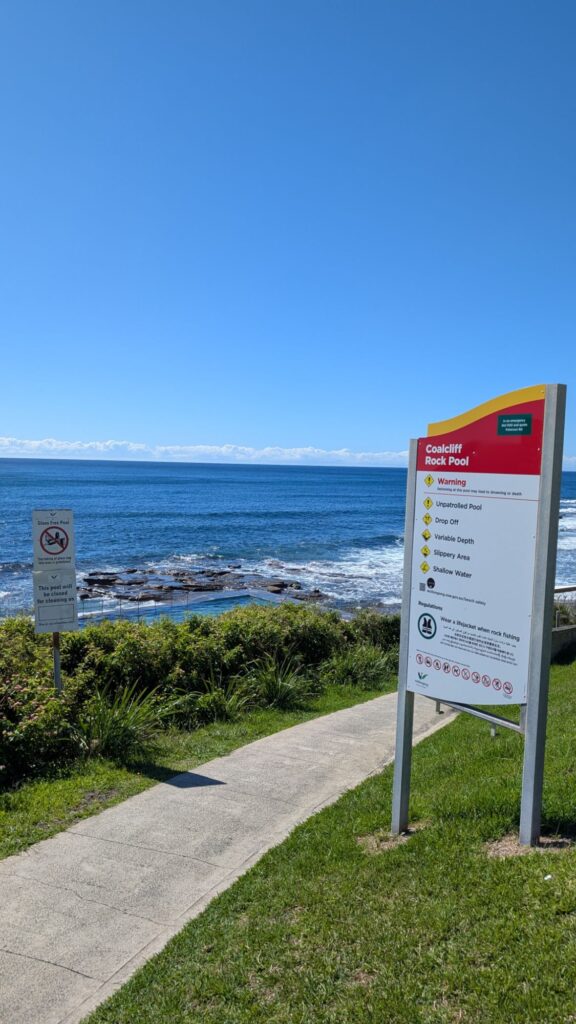
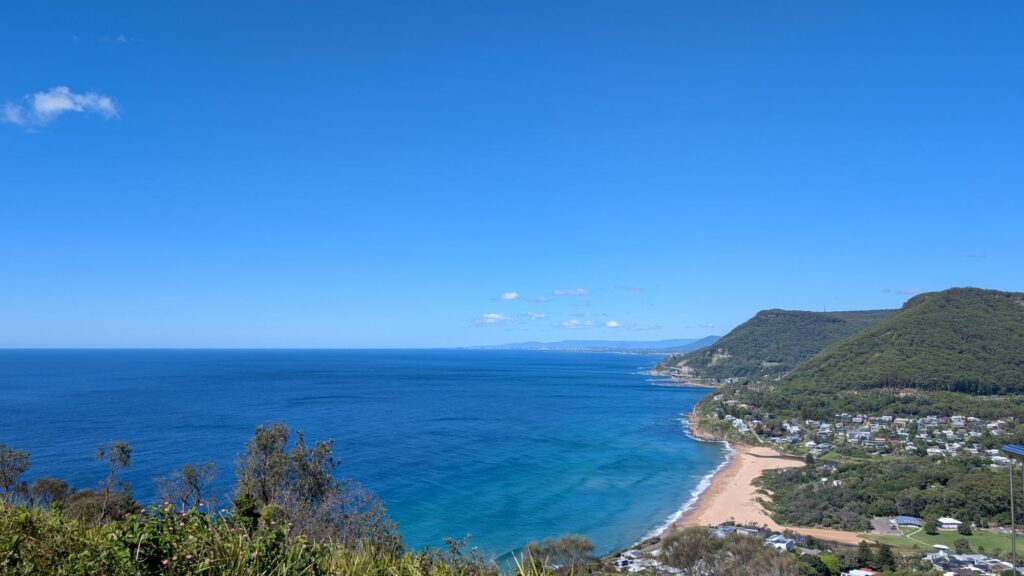
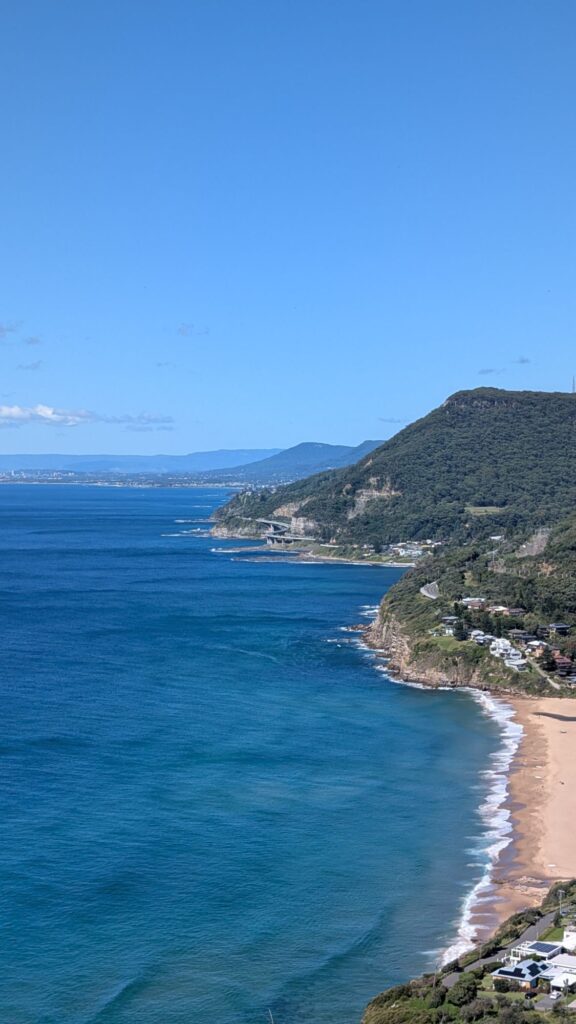
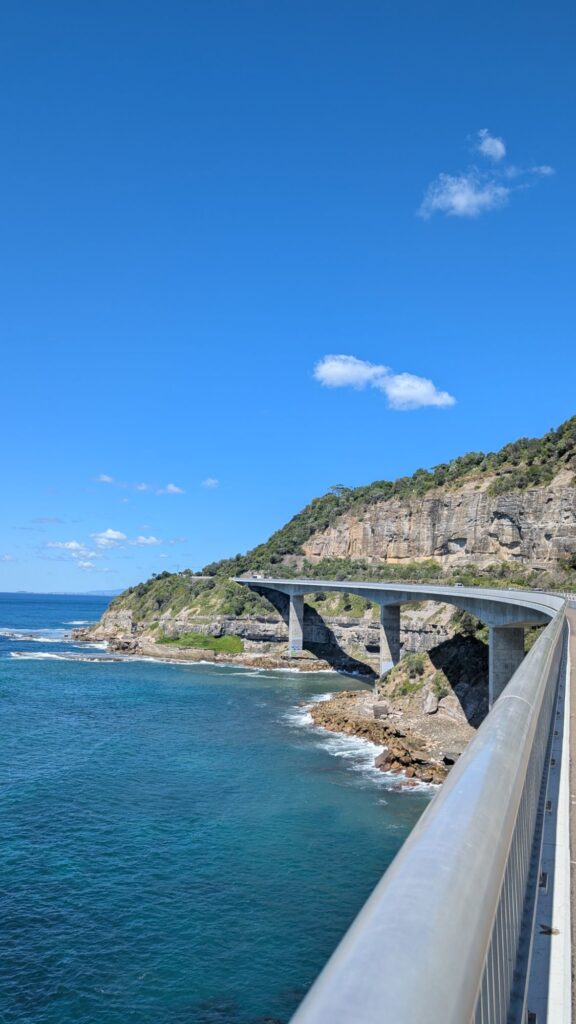
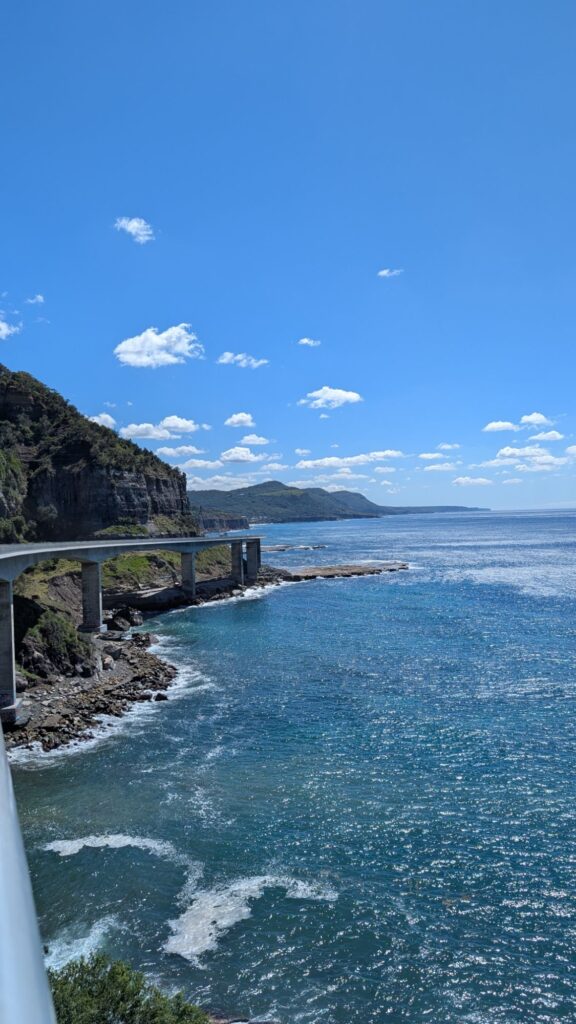
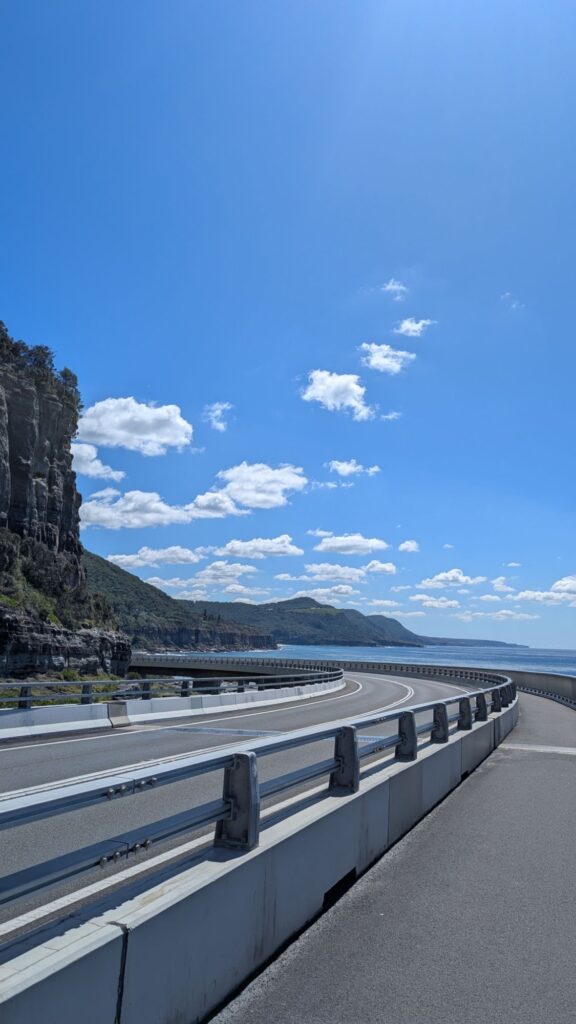
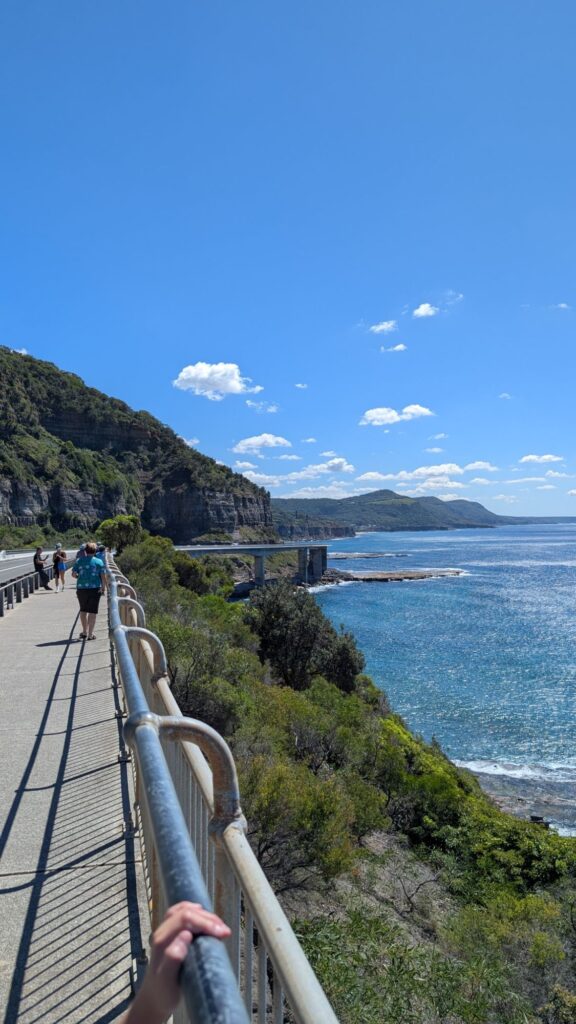
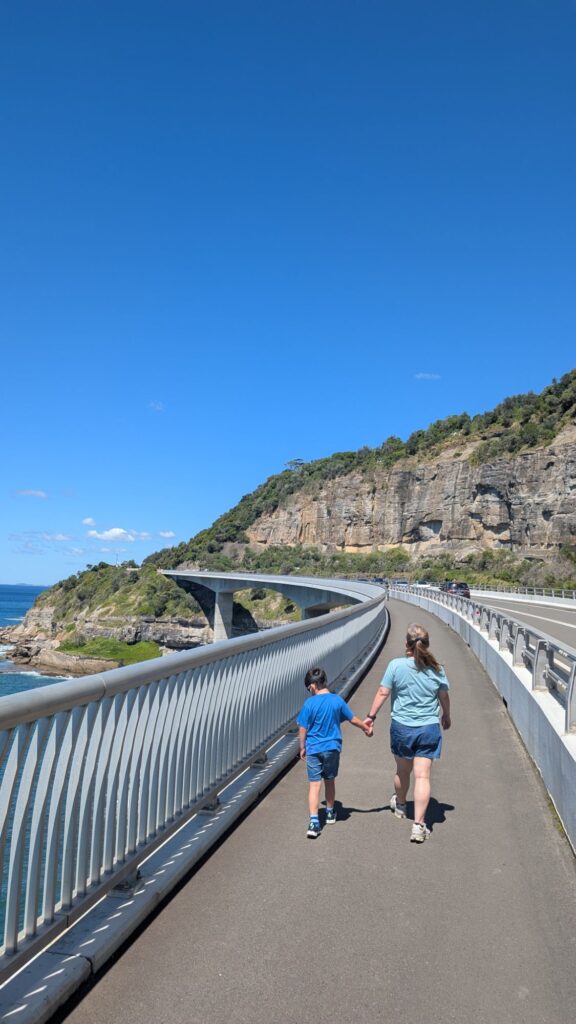
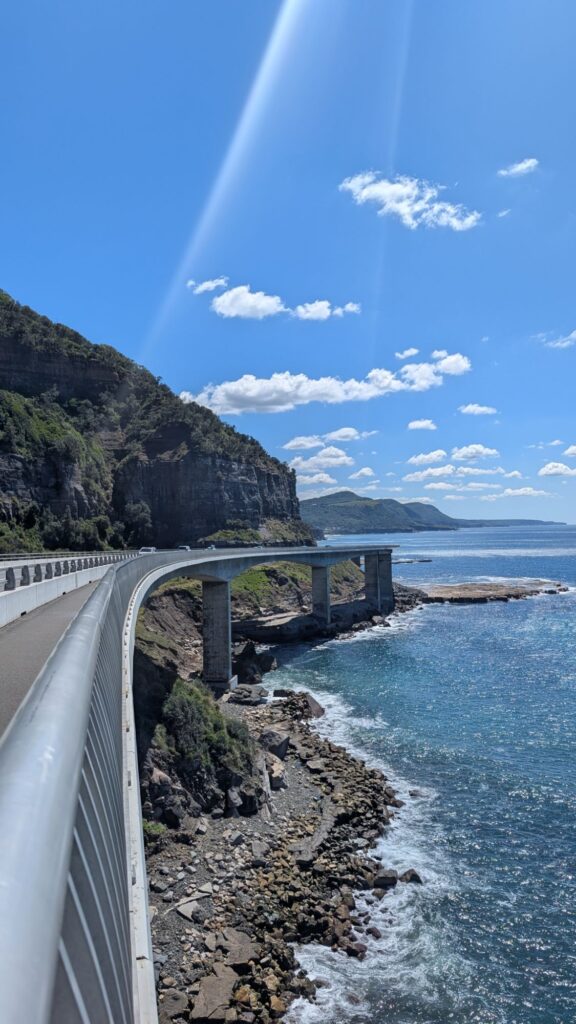
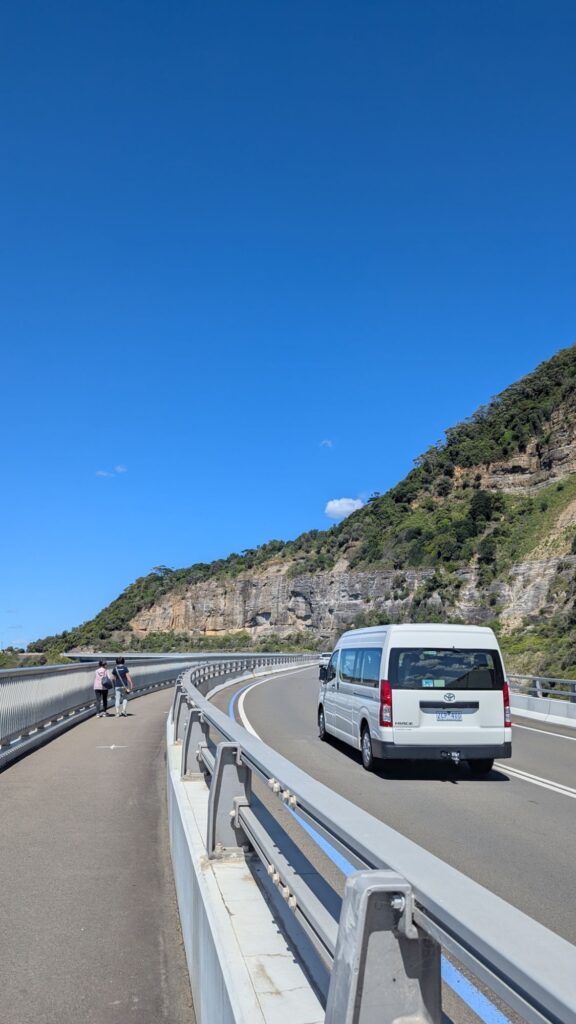
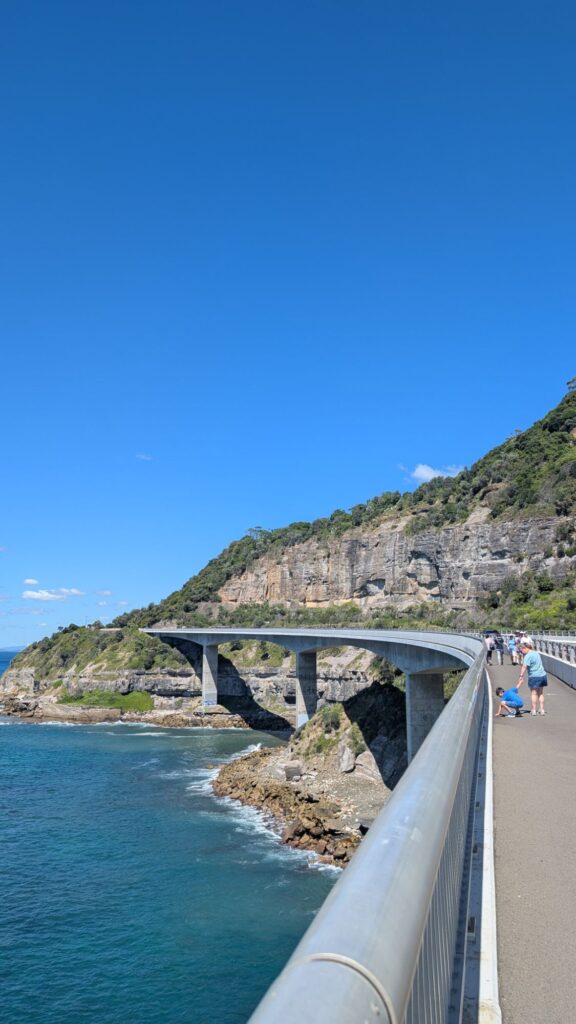
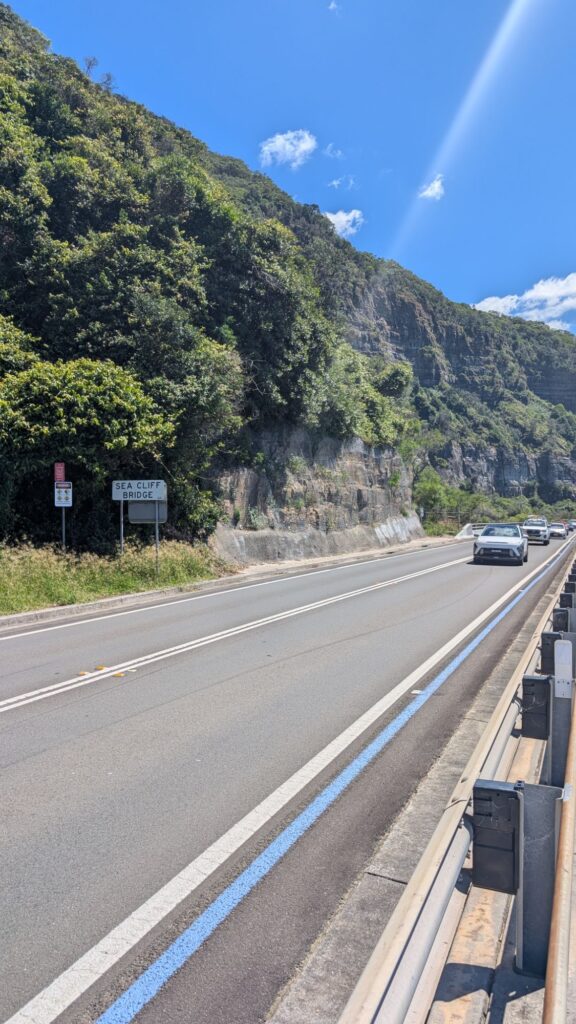
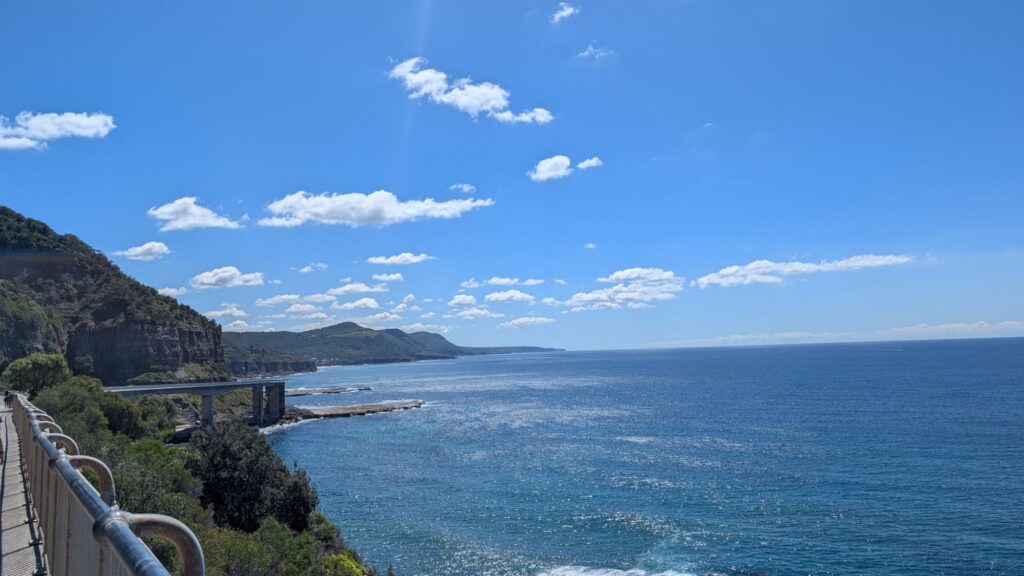
On our way back home, we left Sydney and drove south for a little over an hour to reach one of New South Wales’ famous coastlines. The Sea Cliff Bridge is one of the standout scenic spots along the route.。
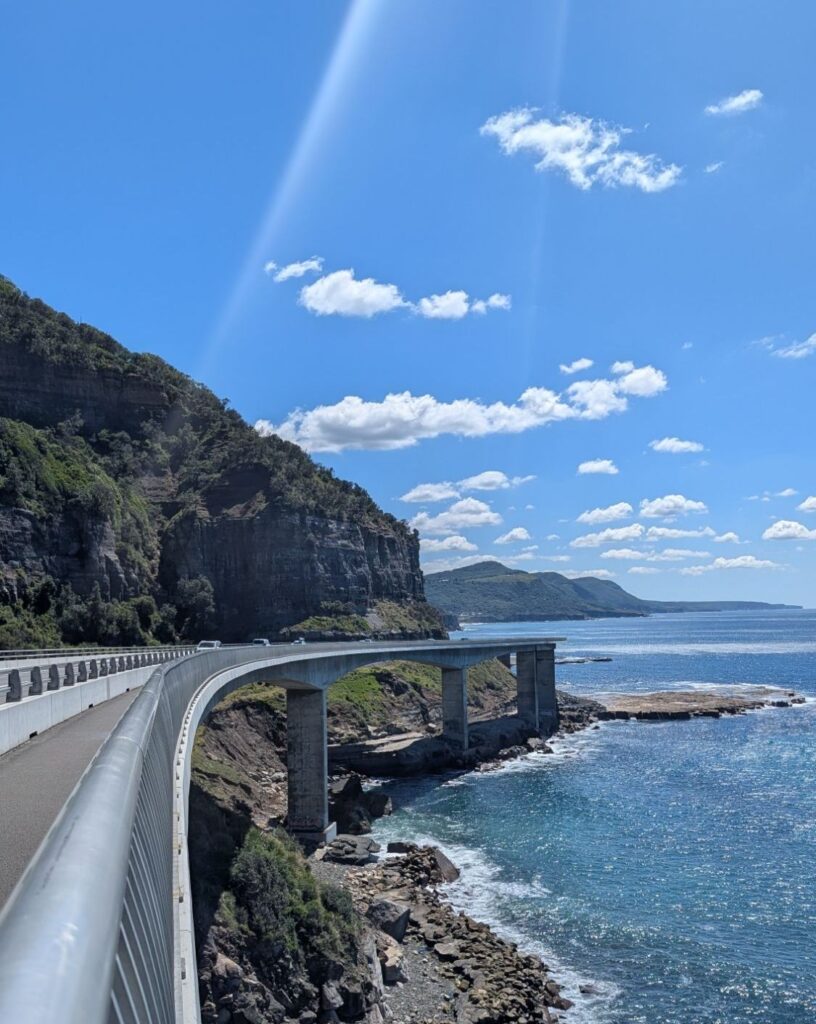
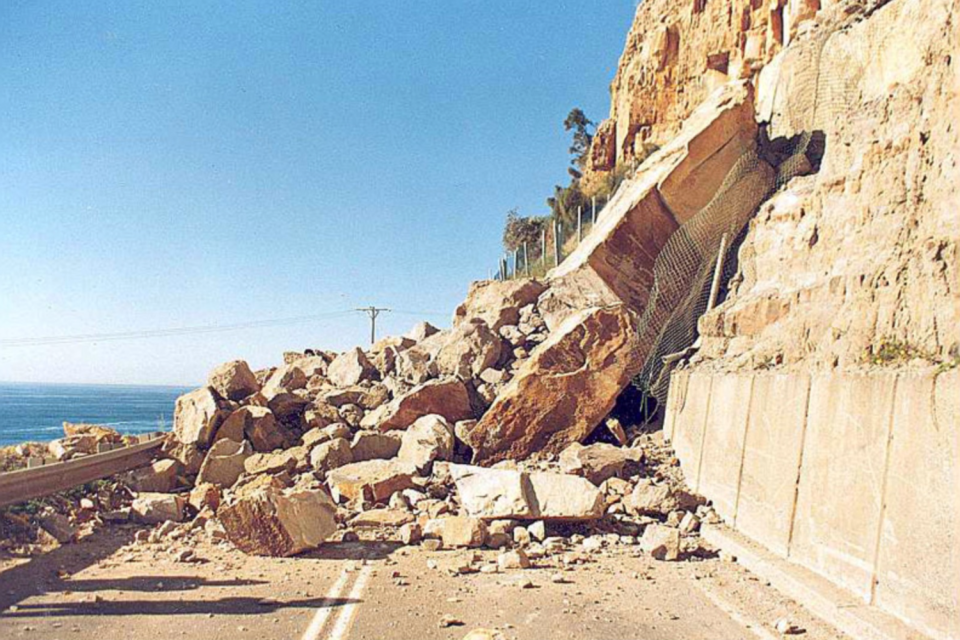
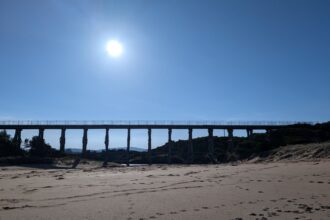
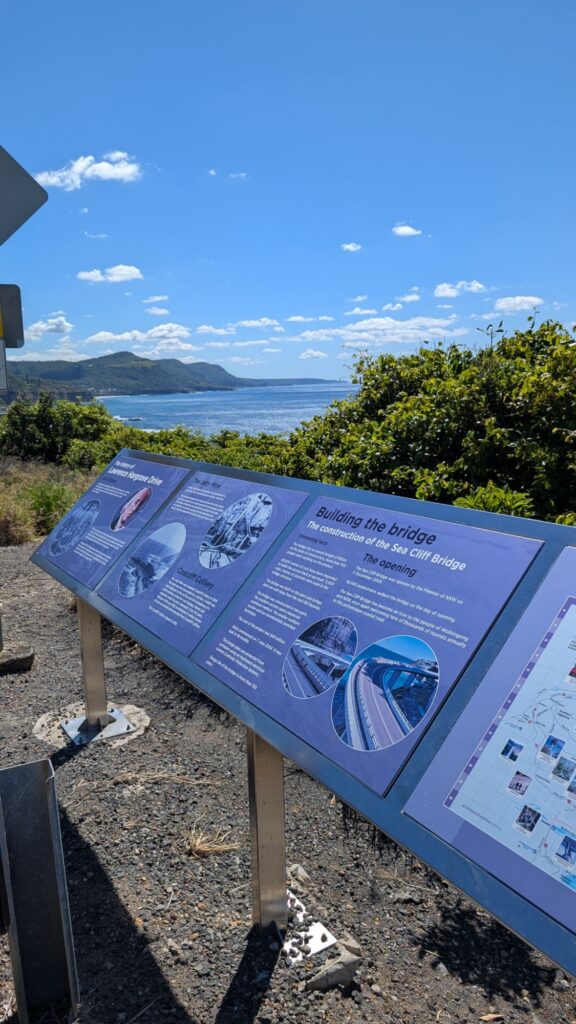
Lawrence Hargrave Drive is a historic cliffside road with over a century of history, connecting several small towns near Coalcliff and Scarborough.
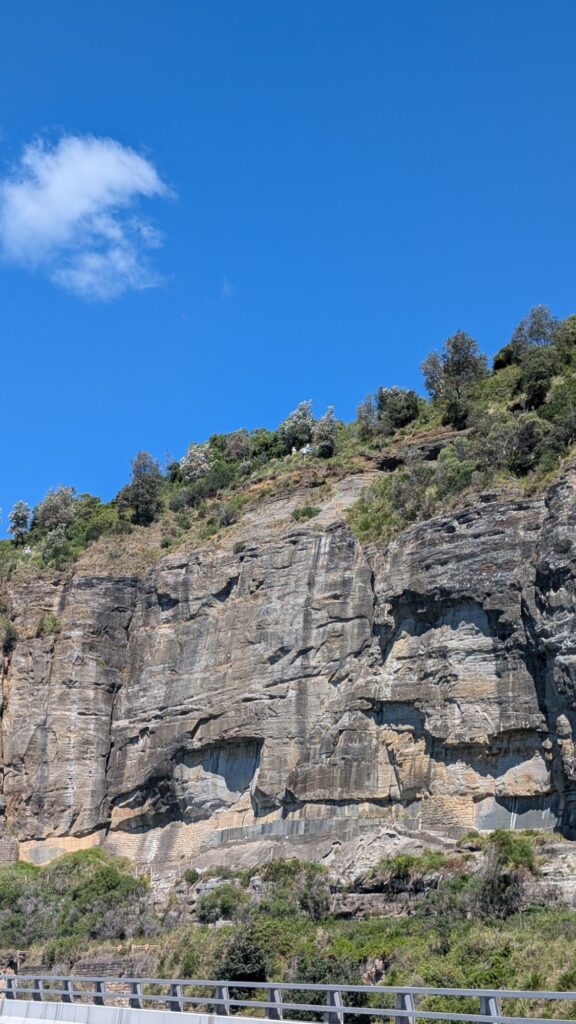
Because it’s built right along the cliff, the stretch between Coalcliff and Clifton used to be quite dangerous — large rocks would frequently fall onto the road. For safety reasons, that section was closed by the government in 2003.
The road was later rebuilt, and the current Sea Cliff Bridge opened to traffic in 2005. It’s now both safe and scenic, making it a popular spot for travelers along the coast. Reference
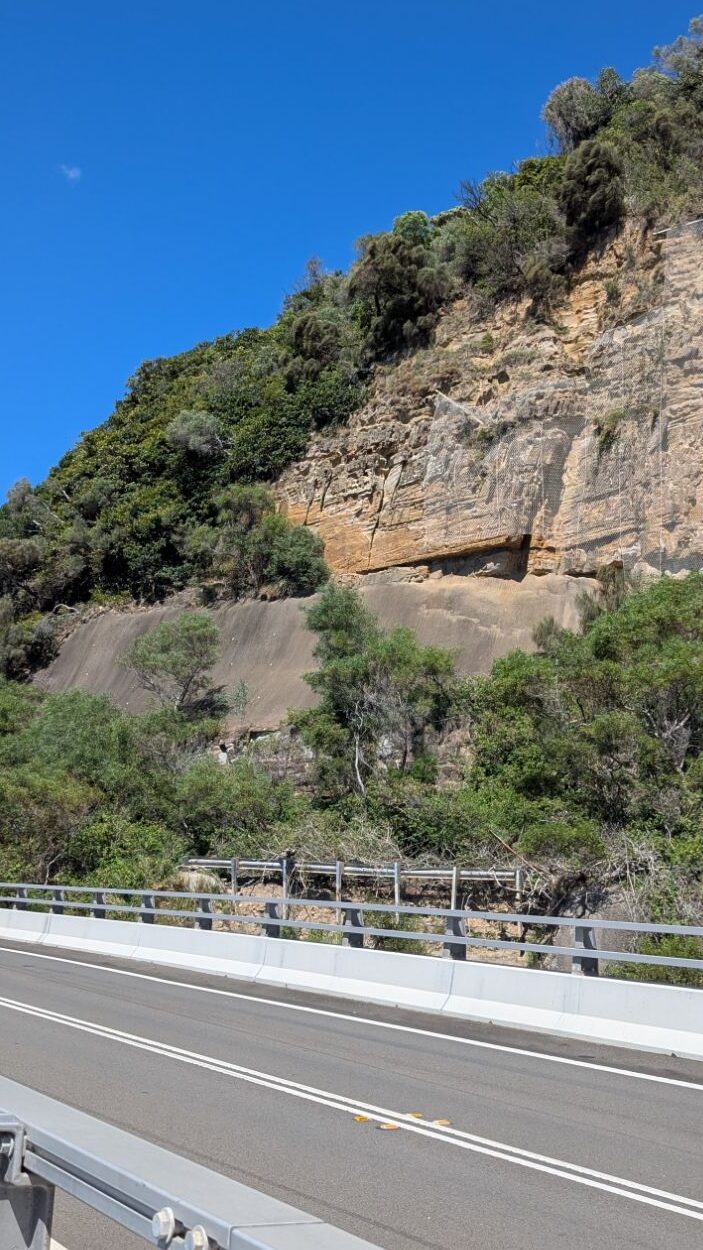
On the day we visited, it happened to be the first day of the Lunar New Year — a “lucky start” kind of day. The scenic spot only has about ten parking spaces, but it was absolutely packed, completely full of mainland tourists. We had no choice but to park far away, about 1.6 km off, and walk in. Fortunately, the kids were surprisingly cooperative for the hike.
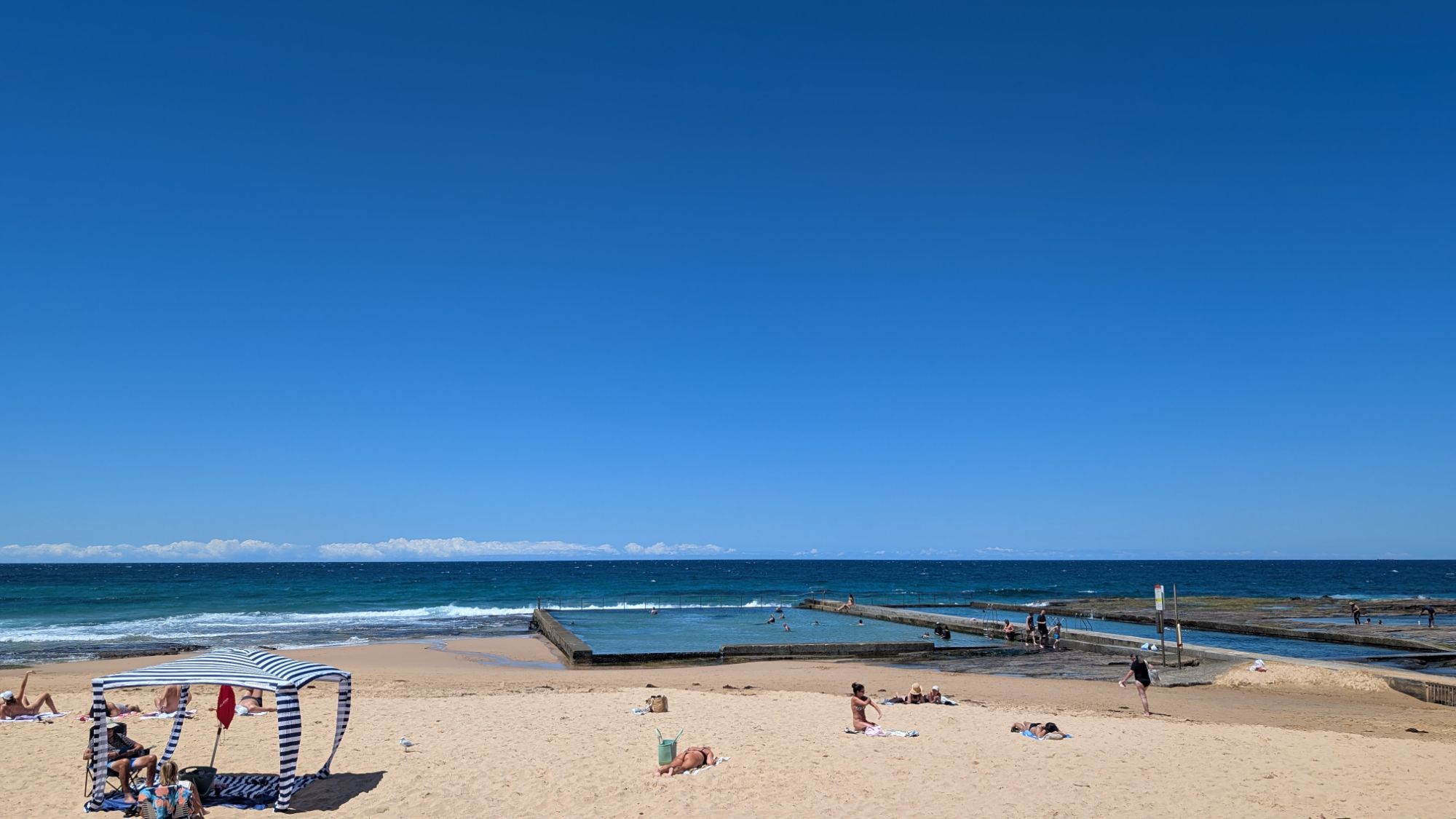
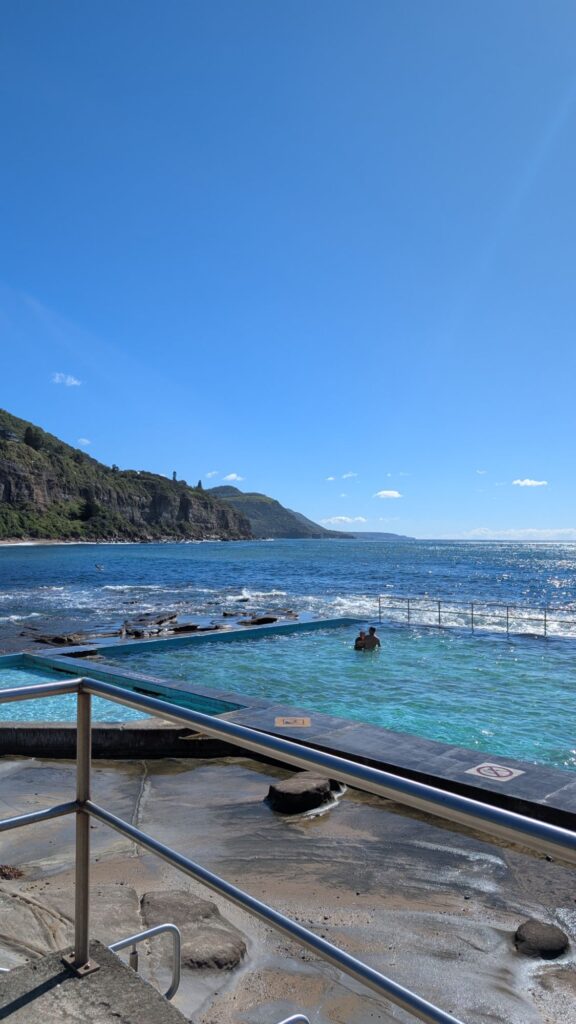
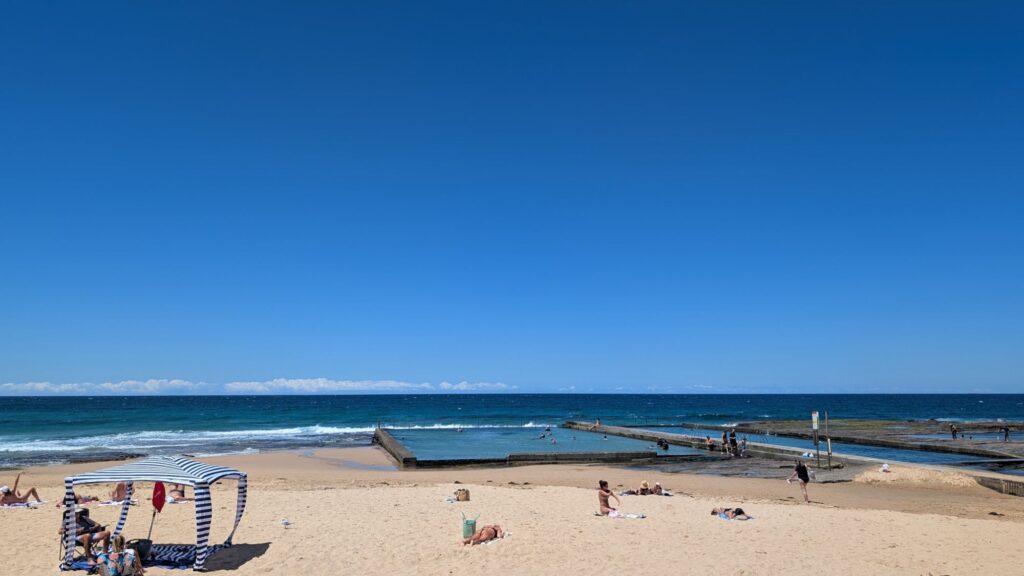
Afterwards, we stopped in the nearby town of Austinmer for lunch. The weather was perfect — the sky and sea were a brilliant blue. Along the NSW coast, there are these “rock baths” (I haven’t seen any like this in Victoria) — seawater swimming pools built right by the ocean. You can swim safely without worrying about waves or sharks, yet still enjoy the sea. Too bad we didn’t bring swimsuits, and there wasn’t enough time anyway.
Later, we drove another 1.5 hours to Goulburn, where we stayed the night.
Canberra
Goulburn is about 90 km from Canberra, roughly a 50-minute drive — not too far. We took a short break at a motel in Goulburn, then in the afternoon drove over to Canberra.
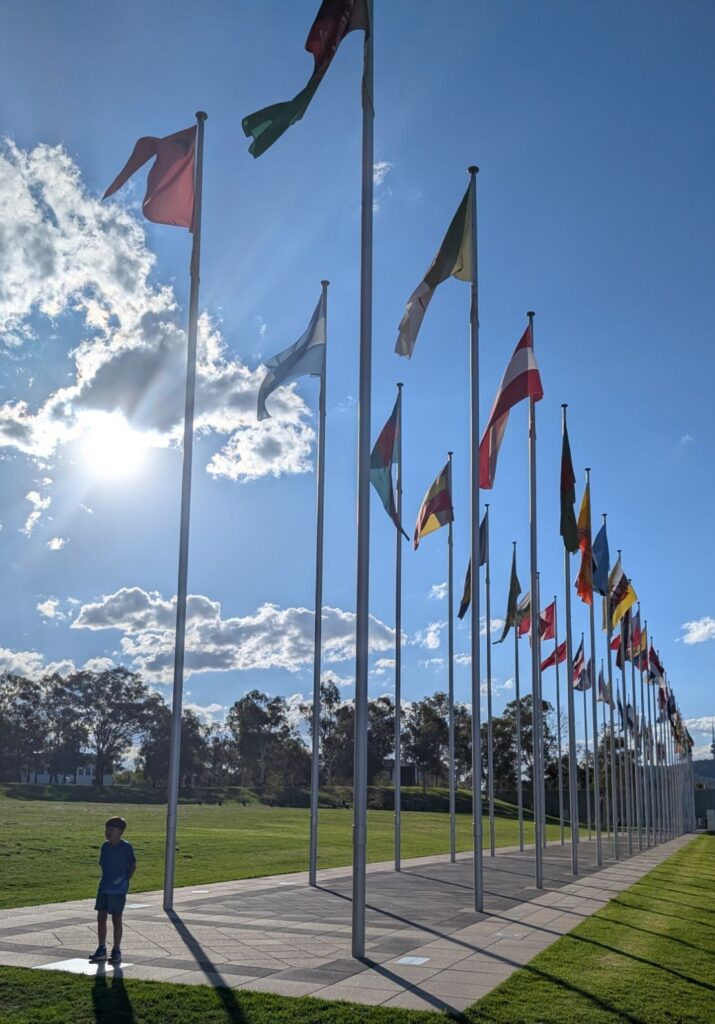
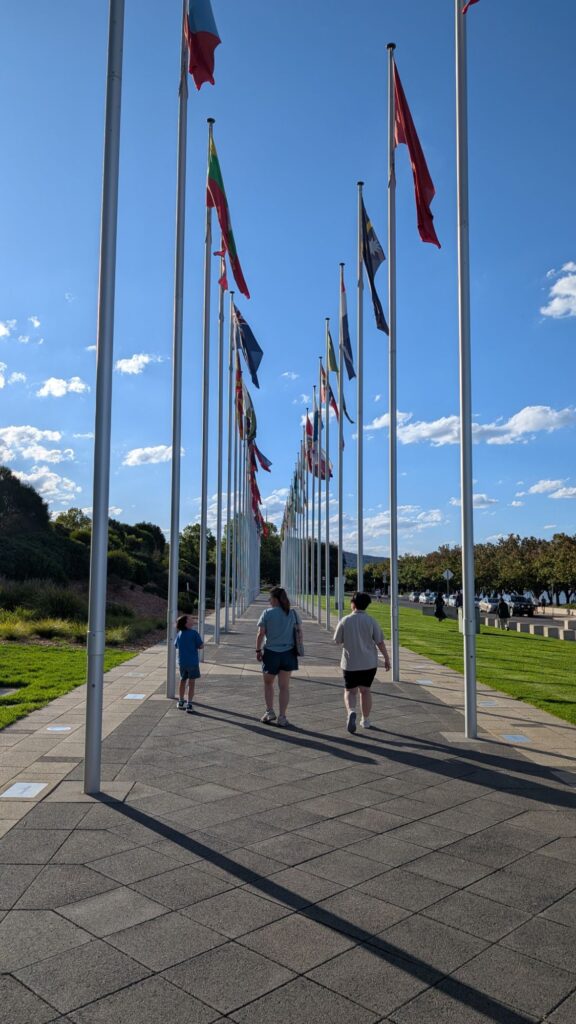
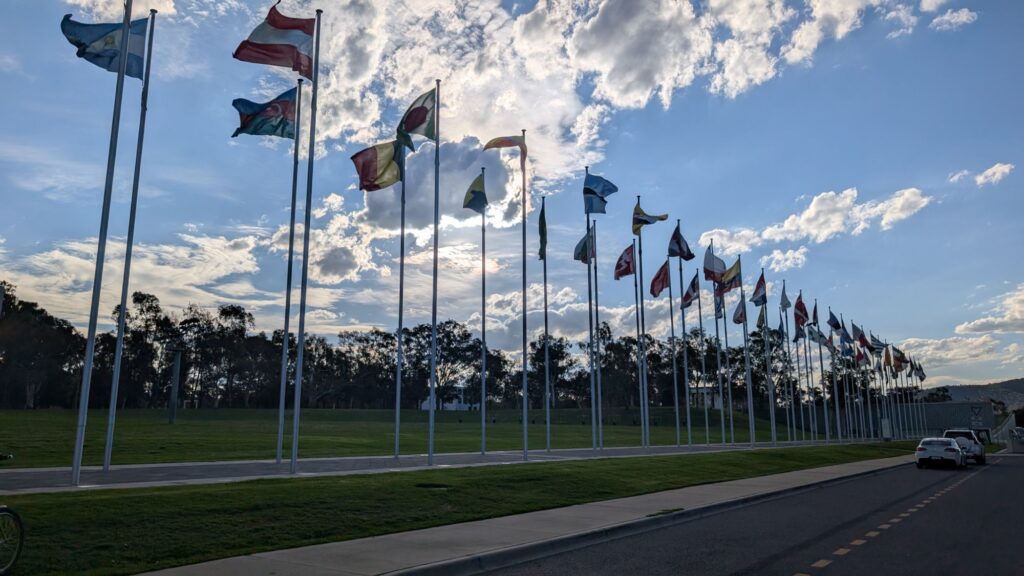
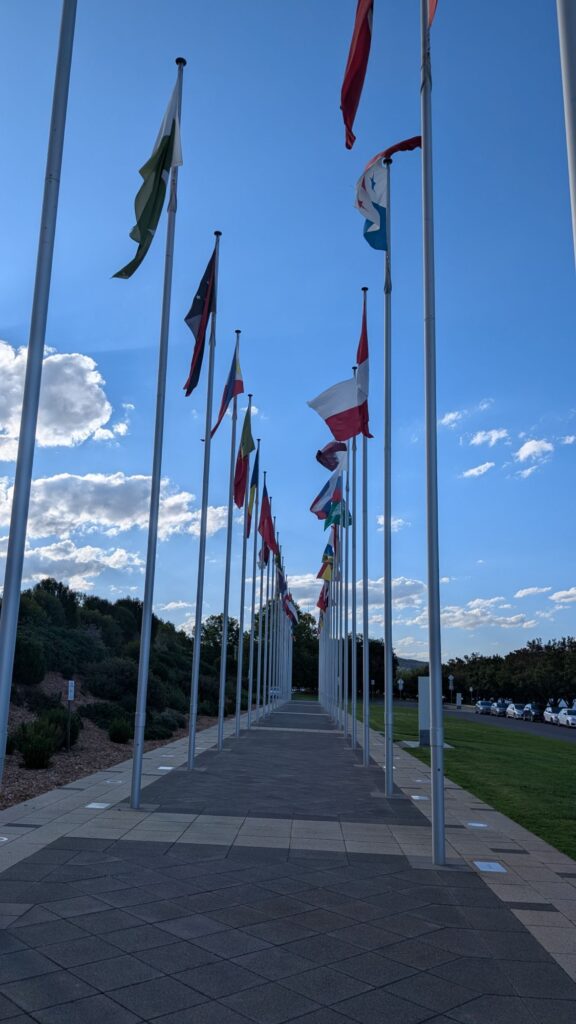
We visited the International Flag Display, which really caught our little one’s attention — he’s always been fascinated by flags. We had actually been to Canberra once before in 2022, but he didn’t seem to remember it at all.
Canberra Reptile Zoo
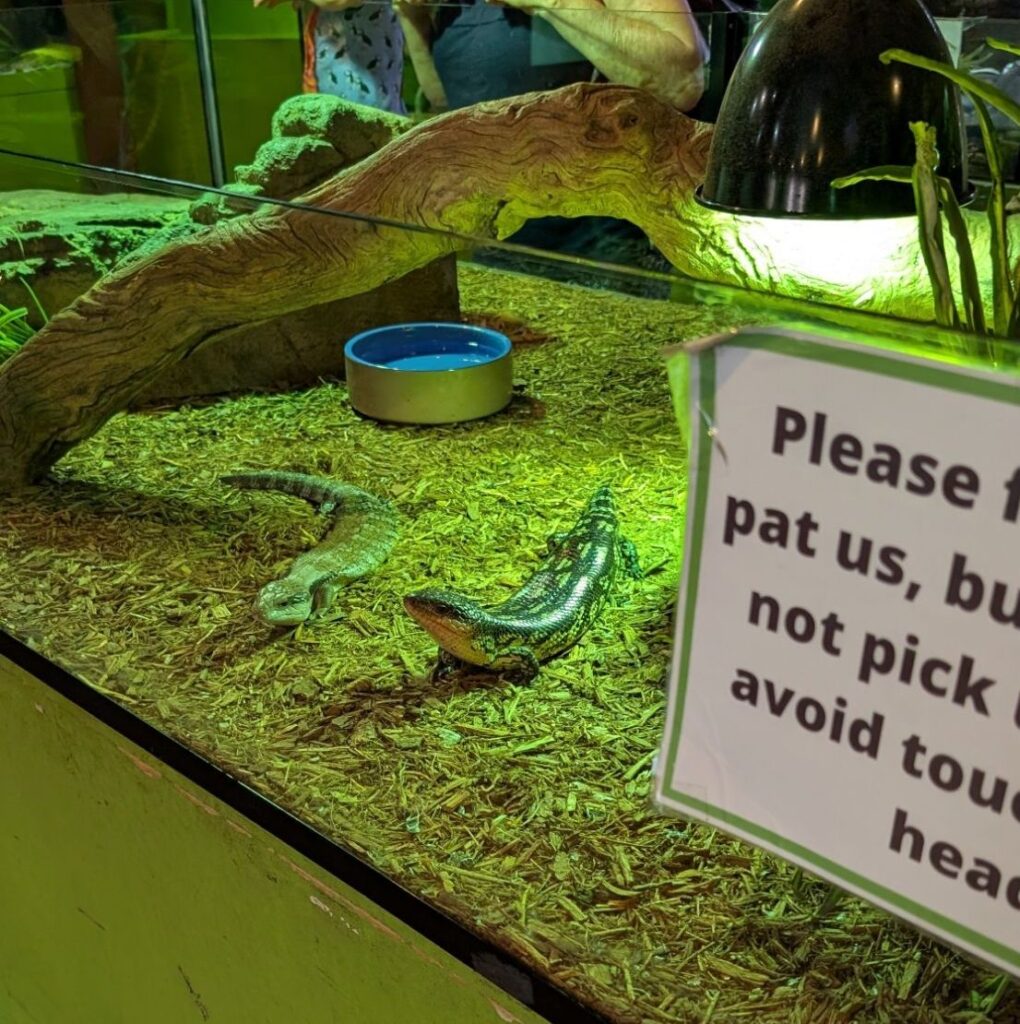
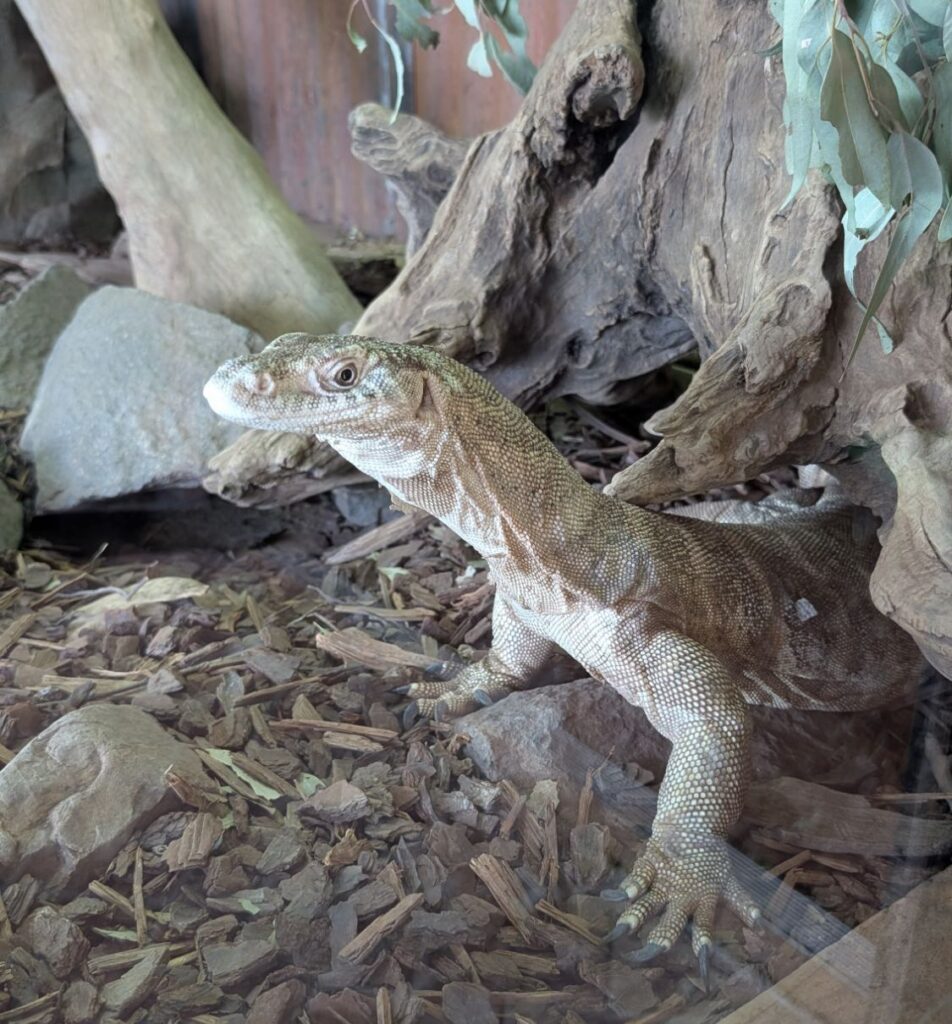
On the final day of our trip, we headed back to Canberra in the morning to visit the Canberra Reptile Zoo. We had actually been there once before in 2022, so this was more of a repeat visit. The kids were super excited to see all the reptiles again.
That’s the end of this short trip.
Afterword
After visit the Taronga Zoo, we took the train from the CBD back to our Airbnb in Merrylands, right around 3 pm — peak hour for both work and school. It was quite an eye-opening experience.
We boarded at Circular Quay station, and the train’s final stop is Leppington, passing through Sydney’s “well-known” western suburbs. As soon as we got on, three teenagers — two boys and a girl, roughly 15–18 years old, fresh from a fishing trip — just plopped their fishing rods and a big plastic tub across several seats. Two of them then sprawled horizontally across the seats (the train has a 2+3 seating layout).
It was fine at Circular Quay, but as the train picked up more passengers at Town Hall, Central, and other stations, the two boys still didn’t bother sitting upright, leaving their fishing gear taking up space. Most other passengers seemed used to it and didn’t react.
After a while, the boys finally realized something was off and sat up, but their fishing equipment still occupied the seats. An elderly man bravely sat in the empty seat next to them. Soon after, a man (of African descent) got on, saw the items taking up space, and loudly confronted the elderly man, roughly saying the seat was for sitting, not for placing belongings. His tone was aggressive, almost like he wanted to pick a fight.
The elderly man explained the items weren’t his, and the nearby teenagers also denied ownership. The man repeated his demand twice, but the elder and the teens gave the same responses each time. The situation almost escalated, but in the end, the man just walked away.
It was a real lesson in Sydney train culture during peak hour — a mix of crowded spaces, bold behaviors, and, sometimes, people pushing the limits of patience.
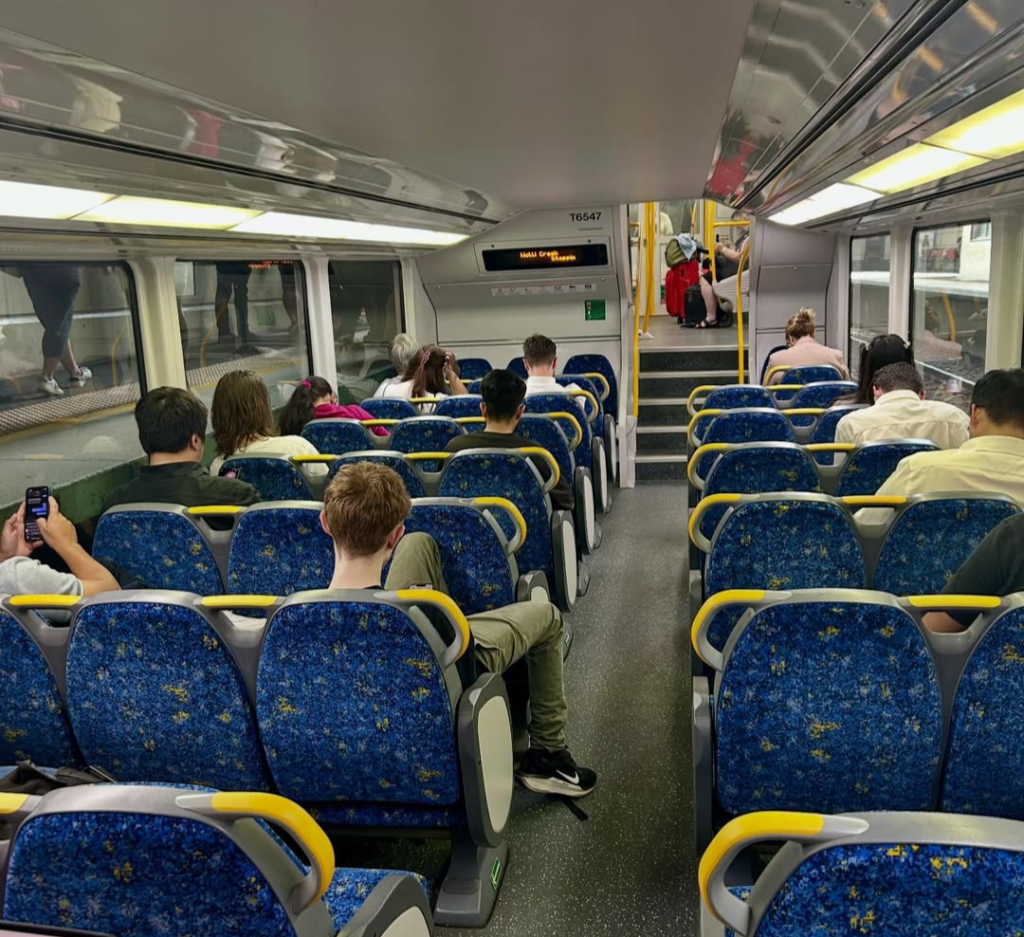
Sitting next to me was a tall man, probably Middle Eastern or Kurdish, holding a Hard Hats. My daughter and I were in a three-person row, so with him in the seat it was already quite cramped. He looked huge — probably around 6 ft and 200 lbs — and clearly uncomfortable.
Throughout the train ride, he kept making noises of complaint: sighing, mumbling, rustling, the whole “grumbling” package. I didn’t really have a way to respond and just ignored it.
As we approached our stop, a row of empty seats opened up behind him. He immediately moved there, sprawled across the seats like the teenagers earlier. But in less than half a minute, he sat up again. A few minutes of this back-and-forth later, he finally decided to sit properly in the middle seat, though he continued his occasional groans and muttering.
At that point, a polite young Indian man, probably small in stature, saw the empty space and asked, “Can I sit here?” — either politely or perhaps sensing this guy wasn’t easy to confront. The tall man replied bluntly, “You are not allowed to sit here…” The rest of the exchange I couldn’t hear. Shortly after, we reached our station and got off the train.
It was a fascinating — if slightly chaotic — glimpse into peak-hour train life: cramped spaces, unusual behaviors, and the silent negotiations people do just to find a seat.
A few years back, I used to take the train home from work on lines like Sunbury, Hurstbridge, and Werribee. Most passengers were relatively polite and self-disciplined — hardly anyone used their belongings to hog seats, and I never saw anyone sprawled out across the seats. (Though most Melbourne trains are 2+2 seating; only a few older ones are 2+3.)
From what I know, the Craigieburn and Werribee lines tend to have slightly more rowdy behavior, especially in Melbourne’s western and northwestern suburbs. I guess I’ve just been lucky in Melbourne and never encountered anything like what happened in Sydney 😅.
As I mentioned earlier, around Merrylands you don’t see many “white” Australians — most of the residents are Muslim, and you can tell just from the shops along the streets. It felt a bit like being in Melbourne’s Box Hill or Doncaster, where Chinese signs outnumber English ones.
We tried a Japanese restaurant just downstairs from our Airbnb. It was my first time having chicken broth ramen, and honestly, it was pretty average. Having eaten a lot of Japanese ramen before, I’ve always known Kyushu-style ramen as pork-bone broth with chashu. Apparently, white-broth ramen has become popular in recent years, which makes sense — in this area, a lot of people follow Islamic dietary rules and don’t eat pork. Being in a predominantly Muslim neighborhood, it’s natural to “go with the local customs” — or, as one might jokingly put it, enter a “Muslim town.”
Of course, I want to stress there’s no racial prejudice intended here. My wife and I are also immigrants, not original residents. That said, we’ve never really liked Box Hill in Melbourne either. But experiencing this level of local custom adaptation in Sydney really made me wonder — is it a good thing or a bad thing?
To make matters more surreal, on the morning we left Sydney, a stabbing occurred in Merrylands — one person died and several were seriously injured. Preliminary reports suggested the attacker was mentally unstable and had apparently escaped from hospital custody. The victims and perpetrator didn’t know each other; it was a random attack. The location was literally on the main street just downstairs from our Airbnb, along the path to the train station. We had left less than two hours earlier. Talk about being lucky.
After discussing it with my wife, we both agreed that Sydney is probably not a place we’d want to live. Melbourne suits us better. I’ve always preferred natural landscapes and don’t enjoy Sydney’s bright, crowded, hectic city environment.
We’ve also decided we probably won’t visit Sydney city again. After living decades in the dense, busy, car-filled environment of Hong Kong, why seek it out elsewhere?